3 Types of Self-Catering Accommodation: Which One Is Right for You?
 Apr, 4 2026
Self-Catering Accommodation Finder
Answer a few questions to find out which self-catering stay matches your travel style!
Your Best Match:
Quick Guide to Self-Catering Choices
- Self-Catering Cottages: Best for rural retreats, families, and slow travel.
- Holiday Apartments: Ideal for city breaks, couples, and convenience.
- Serviced Apartments: Perfect for business travelers and long-term stays with hotel-like perks.
The Cozy Appeal of Self-Catering Cottages
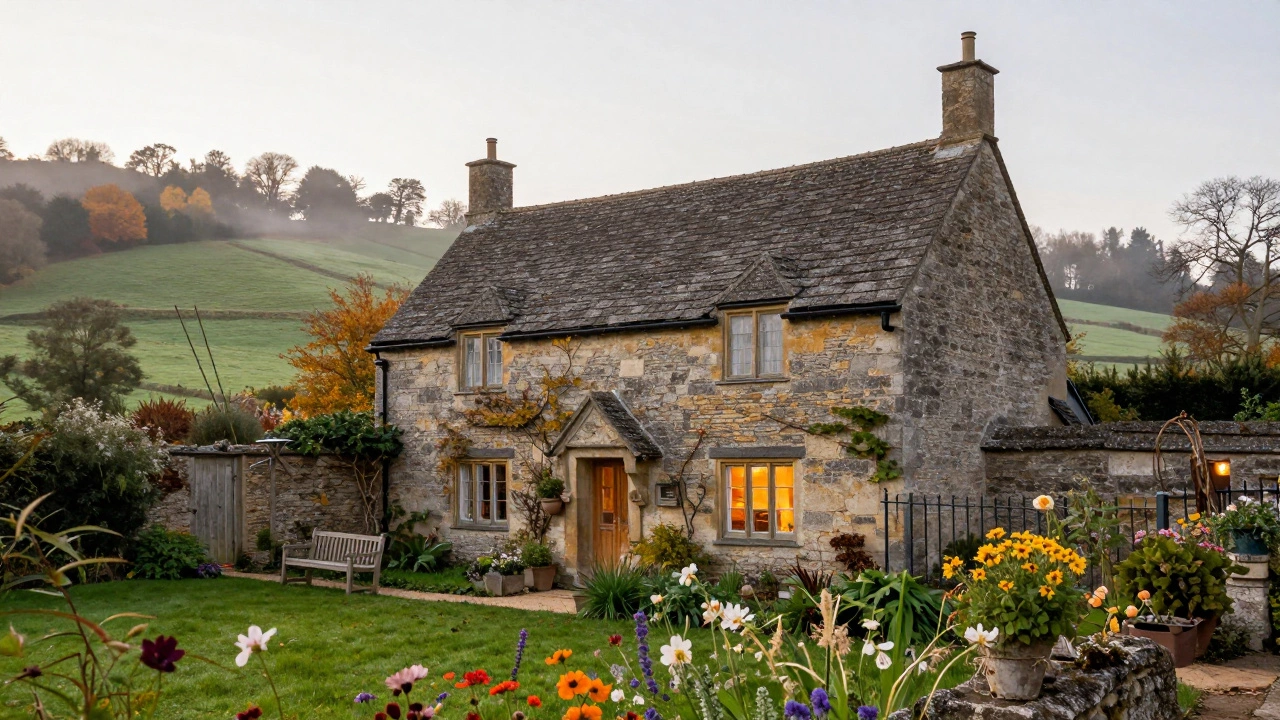
When most people think of a getaway, they imagine a self-catering cottages is a standalone residential property, often located in rural or coastal areas, equipped with kitchen facilities for guests to prepare their own meals. These aren't just places to sleep; they are experiences. Imagine a stone cottage in the Cotswolds or a wooden cabin in the mountains. The primary draw here is privacy and space. Unlike a hotel room, you usually have a living room, a full kitchen, and often a private garden.
Cottages are a lifesaver for families. Trying to feed three toddlers in a hotel room is a nightmare, but in a cottage, you have a dining table and a fridge that can actually fit a week's worth of groceries. You can bake cookies with the kids or have a slow Sunday brunch without fighting for a table at a buffet. The trade-off? Location. Cottages are usually tucked away, meaning you'll need a car to get to the nearest shop or attraction. If you're looking for a digital detox, this is your best bet.
The Urban Flexibility of Holiday Apartments
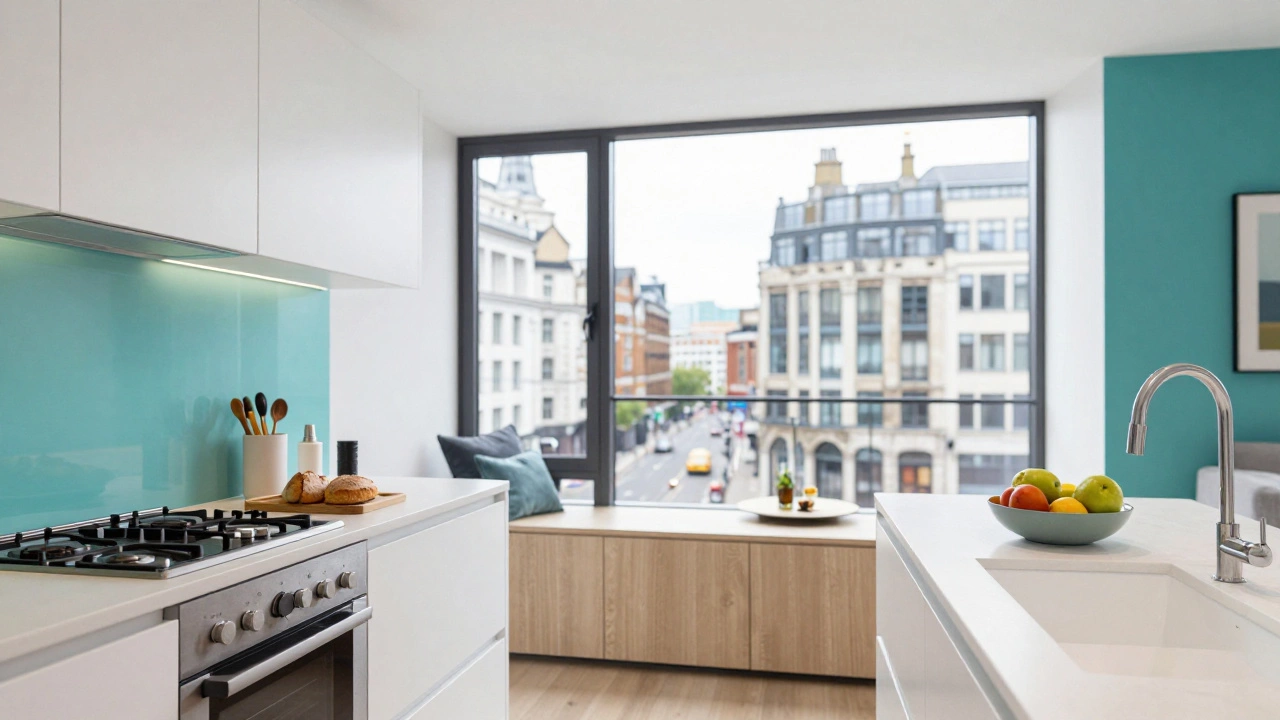
If you're heading to London, New York, or Tokyo, a cottage isn't practical. That's where Holiday Apartments are short-term rental units located within larger residential complexes, typically offering a mix of home comforts and urban accessibility. These are essentially homes away from home, often managed via platforms like Airbnb or VRBO, though many are professionally run by management companies.
The magic of an apartment is the proximity to the action. You can walk to the local museum, hit a nearby cafe, and then retreat to your own space to relax. It's a huge step up from a hotel room in terms of utility. You have a kitchen-even if it's just a kitchenette with a microwave and a small stove-which allows you to save a fortune on breakfast and snacks. It's the perfect middle ground for couples or solo travelers who want independence without the isolation of a rural cottage.
The Hybrid Model: Serviced Apartments
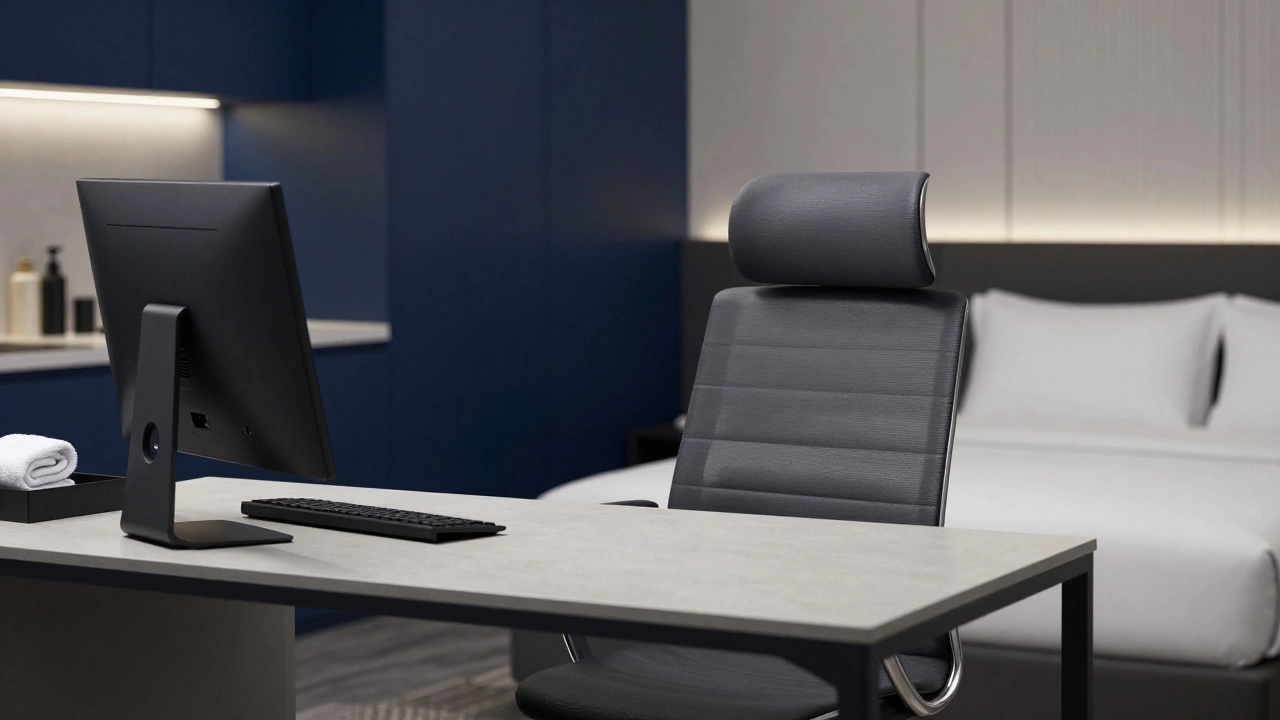
Now, imagine the space of an apartment combined with the luxury of a hotel. That is exactly what Serviced Apartments are fully furnished residential units that provide hotel-style services such as housekeeping and concierge, designed for longer stays. These are the gold standard for business travelers or people relocating for work. You get the full kitchen and laundry facilities, but you don't have to worry about scrubbing the floors yourself because housekeeping is included.
Why choose these over a regular hotel? Because living out of a suitcase for two weeks is exhausting. A serviced apartment gives you a desk to work at and a fridge to keep your own food, which is healthier and cheaper than ordering room service every night. They often include a gym or a 24-hour reception, giving you that safety net if something goes wrong with the Wi-Fi or you need a taxi at 4 AM. They are typically more expensive than a basic holiday apartment but cheaper than a high-end luxury hotel for extended periods.
| Feature | Self-Catering Cottages | Holiday Apartments | Serviced Apartments |
|---|---|---|---|
| Location | Rural / Coastal | Urban / City | City / Business Hubs |
| Privacy | Highest (Standalone) | Medium (Shared Building) | Medium (Shared Building) |
| Cleaning | Guest's responsibility | Once per stay / Guest | Regular hotel-style service |
| Best For | Families & Nature Lovers | Short City Breaks | Business & Long-term stays |
How to Choose the Right One for Your Trip
Choosing between these three depends on your "job to be done" for the holiday. If your goal is to escape the world and read a book by a fireplace, the cottage is the only real option. If you want to explore a new city's nightlife and food scene, an apartment puts you in the heart of the energy. If you're traveling for a project or a month-long internship, a serviced apartment removes the stress of chores.
Think about your grocery habits. In a cottage, you'll likely do one massive shop at a supermarket and spend the week cooking. In a city apartment, you might just pop into a corner deli for fresh bread and cheese. In a serviced apartment, you have the luxury of choice-cook at home or let the concierge suggest the best steakhouse in town. Also, consider the logistics. A cottage usually requires a car, while apartments are usually near public transit like the London Underground or New York City subway systems.
Common Pitfalls to Avoid When Booking
One of the biggest mistakes people make is assuming all "kitchens" are created equal. In some holiday apartments, a "kitchen" might actually be a single hot plate and a mini-fridge. If you're planning to cook full meals, check the photos or the inventory list for an oven and a full-sized refrigerator. There is nothing worse than arriving with a roast chicken and realizing you only have a microwave.
Another trap is the "cleaning fee." Some holiday apartments have low nightly rates but tack on a massive cleaning fee at the end, making them more expensive than a hotel. Serviced apartments usually bake this into the price, whereas cottages might expect you to strip the beds and put the bins out before you leave. Always read the house rules carefully so you aren't surprised by a request to mow the lawn or scrub the bathtub before checking out.
Is self-catering cheaper than a hotel?
Generally, yes, especially for groups or long stays. You save money by avoiding expensive hotel breakfasts and restaurant bills. However, if you're a solo traveler, the cost of a full apartment might be higher than a single hotel room.
Do self-catering cottages provide linens?
Most do, but not all. High-end rentals usually include sheets and towels. Some budget-friendly or traditional cottages might ask you to bring your own linens. Always check the "Amenities" section of the listing.
What is the main difference between a holiday apartment and a serviced apartment?
The primary difference is the level of service. A holiday apartment is essentially a private home where you handle everything. A serviced apartment includes hotel-like perks such as regular housekeeping, a front desk, and sometimes gym access.
Are self-catering options safe for solo female travelers?
Yes, but location and management matter. Serviced apartments are often the safest bet because they have 24/7 staff and security. For cottages and holiday apartments, look for "Superhost" status or properties with a high volume of verified reviews.
Can I find self-catering options that are pet-friendly?
Absolutely. Self-catering cottages are the most likely to be pet-friendly, often featuring large gardens. Many holiday apartments also allow pets, but you'll find fewer serviced apartments that do due to strict corporate building rules.
Next Steps for Your Trip Planning
Once you've decided on the type of accommodation, start by mapping out your nearest grocery store. If you're booking a cottage, check if there's a local farmers' market nearby-it's the best way to get fresh, regional produce. If you're choosing an apartment, look for "walk scores" to ensure you aren't accidentally booking a place that requires a 20-minute commute just to get a coffee.
For those struggling with the choice, try a hybrid itinerary. Spend three days in a serviced apartment to get your bearings in a city, then head out to a quiet cottage for a week of relaxation. This gives you the best of both worlds: the efficiency of urban living and the peace of the countryside.