Are Eco Homes Expensive? The Real Cost of Sustainable Living in 2026
 May, 17 2026
Eco Home Cost vs. Savings Calculator
Your Scenario
Results Summary
Annual Energy Comparison
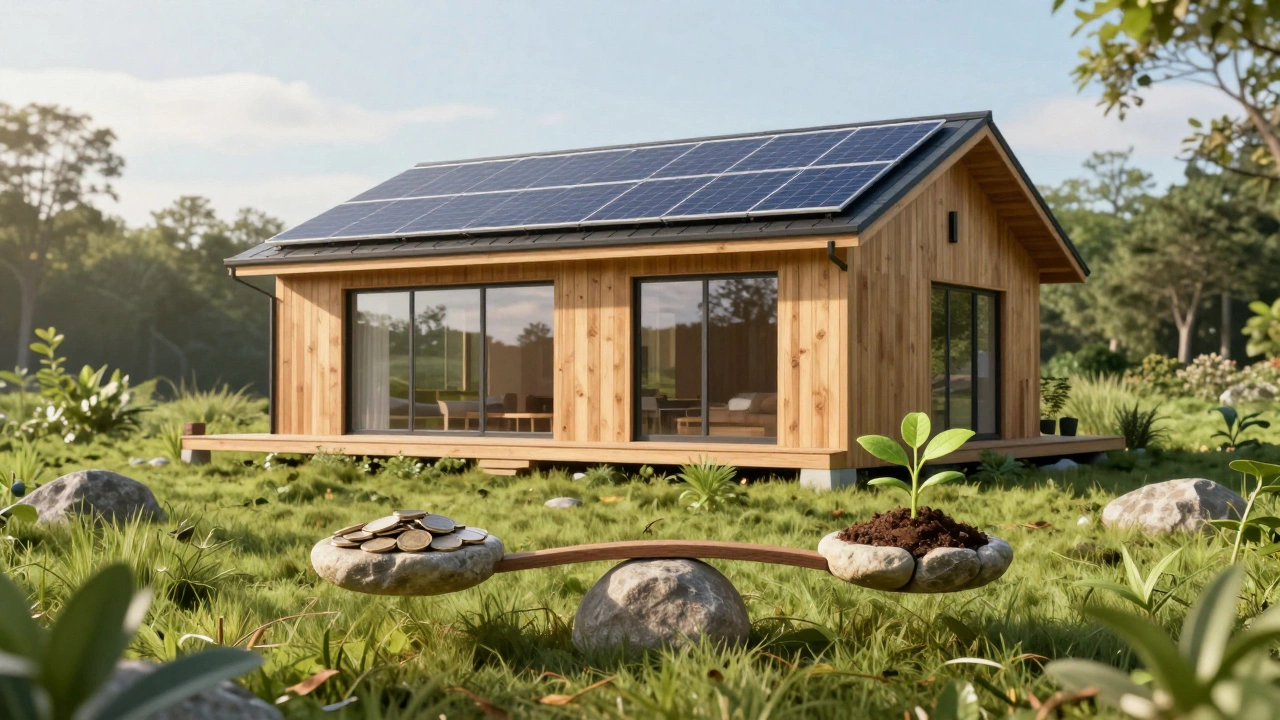
You look at the brochure for a new eco-friendly cottage is a sustainably built residence designed to minimize environmental impact through energy efficiency and natural materials. It often features passive solar design, rainwater harvesting systems, and locally sourced timber. and see the price tag. Your stomach drops. "Is this really worth it?" you ask yourself. "Or am I just paying a premium for a moral high ground?" This is the single most common question I hear from people interested in sustainable living here in Wellington, New Zealand, and frankly, it’s a fair one. The short answer is: yes, they can be more expensive upfront. But that’s only half the story.
The real cost of an eco home isn’t just what you pay the builder on day one. It’s what you pay every month for electricity, heating, and repairs over the next thirty years. When we shift our perspective from purchase price to lifetime value, the math changes dramatically. Let’s break down exactly where your money goes when you choose green building, why those costs exist, and how you can keep them manageable without sacrificing your dream home.
The Upfront Investment: Why Green Costs More
Let’s be honest about the initial sticker shock. Building or buying an eco-home typically runs 5% to 10% higher than a conventional build using standard methods. In some cases, if you’re going for top-tier certifications like Passive House is a rigorous international standard for energy efficiency in buildings, focusing on super-insulation, airtightness, and heat recovery ventilation., that gap can widen to 15%. Where does this extra cash go? It’s not just "green tax." It’s invested in specific components that last longer and perform better.
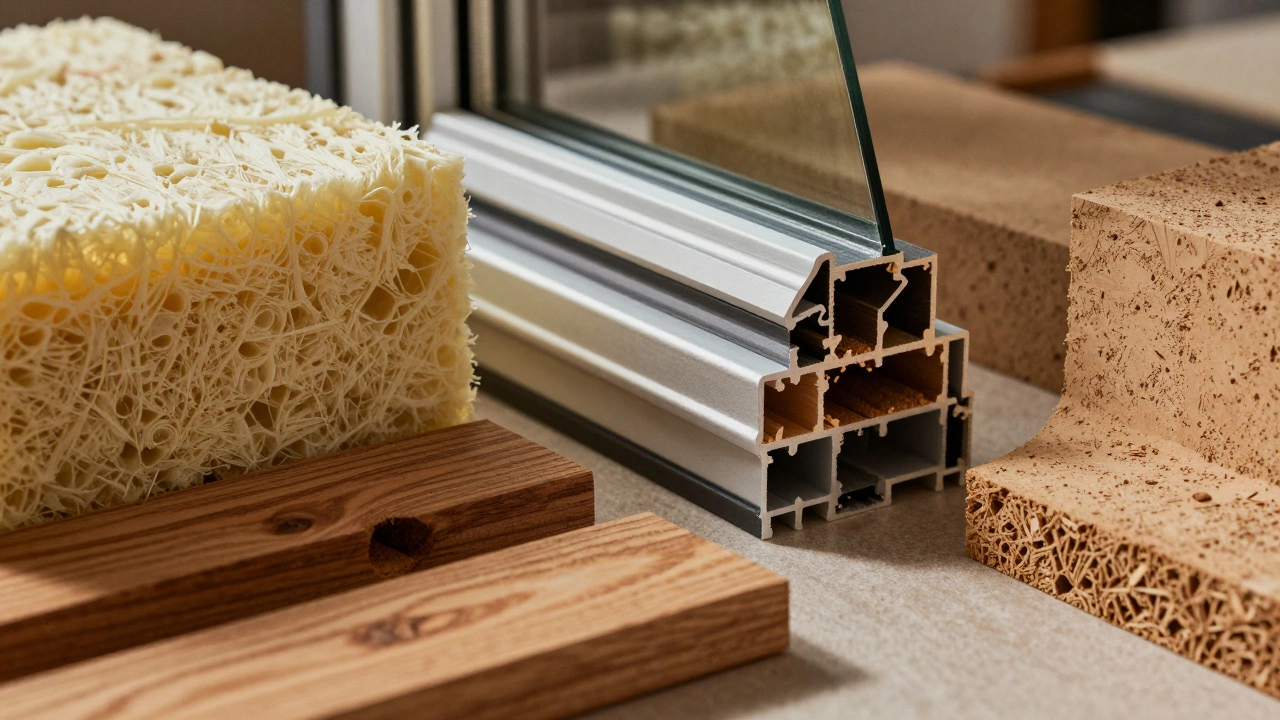
First, there’s insulation. A standard home might use basic fiberglass batts. An eco-home uses dense-packed cellulose, sheep’s wool, or rigid foam boards. These materials cost more per square meter, but they create a thermal envelope that actually works. Second, there are windows. Double-glazed units are becoming standard, but triple-glazed windows with low-emissivity coatings are still a premium upgrade. They prevent heat loss in winter and heat gain in summer, reducing the load on your HVAC system.
Then there’s the technology. Solar panels, battery storage systems, and smart thermostats add significant upfront costs. However, these aren't just gadgets; they are infrastructure. Think of them like buying a hybrid car. You pay more for the vehicle, but you spend significantly less at the pump. In the context of housing, you’re paying more for the shell, but you’ll spend less on utilities. According to recent data from the New Zealand Government is the central government of New Zealand, responsible for national policy and legislation including building codes and sustainability initiatives., homes with high energy ratings sell faster and command a premium in the resale market, often recouping 80-90% of the green investment.
| Cost Category | Standard Home | Eco-Friendly Cottage | Key Difference |
|---|---|---|---|
| Initial Construction | $350,000 | $385,000 (+10%) | Higher material quality |
| Annual Energy Bill | $3,200 | $1,200 (-62%) | Reduced consumption |
| Heating System Lifespan | 15 Years | 25+ Years | Less wear and tear |
| Resale Value Premium | Baseline | +5-10% | Market demand |
| Maintenance Frequency | High | Low | Durable materials |
The Hidden Savings: Operational Efficiency
The magic of an eco-home lies in its operation. Once the keys are in your hand, the monthly bills tell a different story. A well-built eco-friendly cottage is essentially a machine for saving money. By prioritizing air-tightness and insulation, you drastically reduce the energy needed to maintain a comfortable temperature.
In places like Wellington, where wind and dampness are constant challenges, this is crucial. A drafty house forces your heater to run constantly. An eco-home holds heat like a thermos. You might spend an extra $35,000 upfront, but if you save $2,000 a year on power and heating, you’ve paid back that investment in just under two decades. That’s a conservative estimate. With rising energy prices, that payback period could shrink even further.
Consider water usage too. Many eco-homes include greywater recycling systems and rainwater tanks. These allow you to flush toilets and water gardens with non-potable water. In drought-prone areas, this isn’t just an environmental choice; it’s a financial safeguard against skyrocketing municipal water rates. Plus, native landscaping requires less irrigation and fewer chemicals, cutting garden maintenance costs.
Financing Your Green Dream
If the upfront cost is the barrier, financing is the bridge. Fortunately, lenders are waking up to the value of sustainable properties. Green mortgages are becoming more common. These loans offer lower interest rates or reduced fees for homes that meet certain energy efficiency standards.
For example, some banks now offer a "Green Loan" product that provides a slightly lower APR for certified eco-homes. The logic is simple: a home that costs less to run poses less risk to the borrower, which means less risk to the bank. Additionally, governments often provide grants or rebates for installing solar panels, heat pumps, or upgrading insulation. In New Zealand, programs like the Warmer Kiwi Homes initiative have provided direct financial support for insulation upgrades, effectively subsidizing part of the eco-cost.
Don’t forget tax implications. While property tax structures vary by region, some jurisdictions offer deductions for renewable energy installations. Always consult with a local accountant who specializes in green finance. They can help you identify credits that might offset 5-10% of your total project cost.
Material Choices: Quality Over Quantity
One area where eco-homes justify their cost is durability. Conventional builds often use cheap, processed materials that degrade quickly. Eco-homes prioritize natural, long-lasting materials. Timber framing, stone cladding, and clay plaster walls aren’t just aesthetically pleasing; they outlast vinyl siding and drywall.
Take roofing. A metal roof or a slate tile roof might cost twice as much as asphalt shingles initially. But asphalt shingles need replacing every 15-20 years. Metal roofs can last 50 years or more. When you factor in the cost of replacement, labor, and disposal, the eco-choice wins hands down. It’s the same with flooring. Hardwood or polished concrete floors don’t need replacing every decade like carpet does. They age gracefully and retain their value.
This approach shifts your mindset from "replacement cycle" to "lifetime asset." You’re not buying a house that needs constant upkeep; you’re investing in a structure that protects itself. This reduces the stress of unexpected repair bills, which can be a major hidden cost in older, less efficient homes.
Common Misconceptions About Eco-Costs
There’s a myth that eco-homes are only for the wealthy. This couldn’t be further from the truth. Sustainability exists on a spectrum. You don’t need a Passive House certification to live greener. Simple steps like orienting your home to capture sunlight, adding basic insulation, and choosing energy-efficient appliances can make a huge difference without breaking the bank.
Another misconception is that eco-materials are fragile. Natural materials like straw bale or rammed earth are incredibly robust. They regulate humidity naturally, preventing mold growth-a common issue in cheaper, sealed-up modern homes. Mold remediation is expensive and hazardous. Preventing it through proper material selection saves thousands in potential health and repair costs.
Finally, people worry about resale value. Will buyers care about your solar panels? Data shows they do. In today’s market, energy efficiency is a key selling point. Buyers are savvy. They know that a high-energy bill is a red flag. An eco-home stands out in listings, attracting environmentally conscious buyers who are willing to pay a premium for comfort and sustainability.
Making It Affordable: Practical Tips
If you’re ready to build or buy but worried about the budget, here are practical ways to manage costs:
- Start Small: Focus on the "big three": insulation, windows, and air sealing. These deliver the highest return on investment.
- Use Local Materials: Sourcing timber and stone locally reduces transport emissions and costs. It also supports the community economy.
- Phase Renovations: If buying an existing home, upgrade gradually. Install solar first, then improve insulation, then replace appliances.
- DIY Where Possible: Landscaping, painting with non-toxic paints, and minor installations can be done by homeowners to save labor costs.
- Compare Lenders: Shop around for green mortgage options. Even a 0.25% difference in interest rate saves thousands over the life of the loan.
Remember, the goal isn’t perfection; it’s progress. Every dollar spent on efficiency is a dollar saved on bills. Over time, those savings compound. An eco-home isn’t just a place to live; it’s a financial strategy that aligns with your values.
How much more does an eco-home cost to build?
Typically, an eco-home costs 5% to 15% more upfront than a conventional build. This depends on the level of certification and materials used. Basic eco-upgrades like better insulation and double glazing might only add 5%, while full Passive House standards can push the cost toward 15%.
Do eco-homes save money on utility bills?
Yes, significantly. Well-insulated eco-homes can reduce heating and cooling costs by 50% to 70%. Combined with solar power and efficient appliances, many eco-homes achieve near-zero energy bills, leading to substantial long-term savings.
Can I get a mortgage for an eco-friendly cottage?
Absolutely. Many banks offer "green mortgages" with lower interest rates or reduced fees for energy-efficient homes. Lenders recognize that these homes pose less financial risk due to lower operating costs, making them attractive assets.
Are eco-materials more durable than standard ones?
Often, yes. Natural materials like timber, stone, and clay are highly durable and resist moisture and pests better than many synthetic alternatives. They also tend to have longer lifespans, reducing the need for frequent replacements and repairs.
Will an eco-home increase my property value?
Yes, eco-homes often command a resale premium of 5% to 10%. Buyers are increasingly seeking energy-efficient properties due to lower running costs and environmental concerns. High energy ratings are a strong selling point in today's market.