Best Places to Sleep in an Airport: A Survival Guide
 Apr, 5 2026
Airport Sleep Spot Finder
Enter your details to see the best recommendation for your situation.
Quick Guide to Airport Sleeping Options
- Airport Hotels: High cost, maximum comfort, located on-site or just outside the terminal.
- Sleeping Pods: Mid-range cost, private, available in select international hubs.
- Airport Lounges: Variable cost, better seating, food and showers available.
- Public Seating: Free, low comfort, high visibility.
- Quiet Zones: Free, slightly more comfortable, harder to find.
The Gold Standard: On-Site Airport Hotels
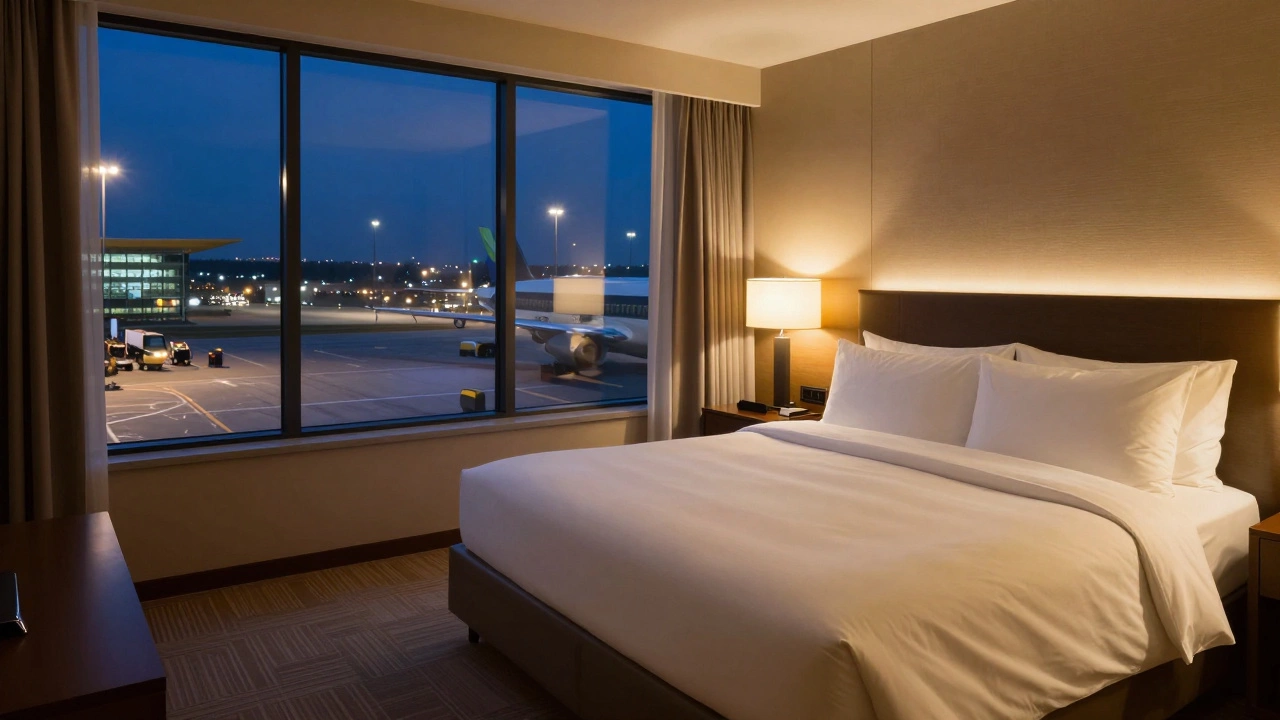
If you have the budget and the availability, an airport hotel is the only way to actually feel human the next morning. These are full-service lodging facilities located within the airport perimeter or immediately adjacent to the terminals. They eliminate the stress of commuting to a city center during a layover.
For example, if you're at Singapore Changi Airport, you might stay at the Crowne Plaza. You get a real mattress, a shower, and a door that actually locks. The trade-off is the price-often higher than standard city hotels because of the convenience. If you're traveling with kids or a partner, this is the only realistic choice. Trying to coax a toddler to sleep on a vinyl bench in Terminal 3 is a recipe for a mental breakdown.
The Modern Fix: Sleeping Pods and Transit Hotels
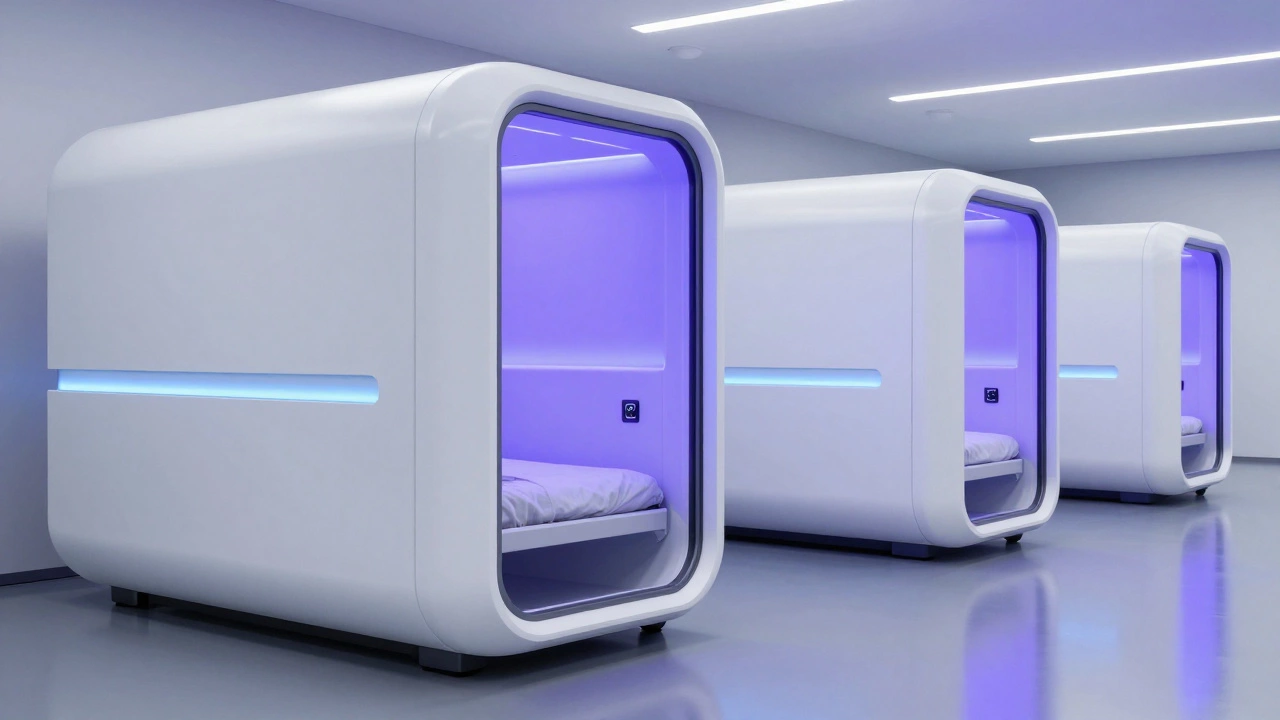
Not everyone needs a full suite, but nobody wants to sleep on the floor. This is where sleeping pods come in. These are small, enclosed capsules designed for short-term rest, typically offering a bed, lighting, and power outlets. They are a massive upgrade from a terminal chair and provide the privacy you need to actually drift off.
You'll find these heavily in Asian hubs. For instance, the YotelAIR in London Gatwick or the pods in Incheon Airport offer a middle ground. You pay by the hour, which is perfect for a 6-hour layover. You get a controlled environment where you aren't listening to every single announcement over the PA system. Just be aware that these can book up fast during peak travel seasons, so don't count on them if you're arriving at midnight without a reservation.
| Option | Privacy | Comfort | Cost | Best For |
|---|---|---|---|---|
| Airport Hotel | High | Excellent | $$$ | Families & Long Layovers |
| Sleeping Pods | High | Good | $$ | Solo Travelers & Short Naps |
| Airport Lounges | Medium | Medium | $ - $$ | Frequent Flyers / Credit Card Holders |
| Public Benches | None | Poor | Free | Budget Survivors |
The Strategic Choice: Airport Lounges
If you have a high-tier credit card or a membership with Priority Pass, the lounge is your best bet. While they aren't designed for sleeping, they offer exclusive areas with plush chairs, complimentary food, and often shower facilities. A shower is the single best way to reset your brain when you've been awake for 20 hours.
The trick here is timing. Most lounges are packed during peak flight windows. If you can sneak in during the dead of night, you can often find a deep armchair in a quiet corner. Just be polite; some lounges have strict "no sleeping" policies or time limits. If a staff member asks you to move, do it gracefully. The goal is to blend in as a "resting traveler" rather than a "camper."
The Budget Route: Finding the Best Free Spots
When the wallet says no, you have to get creative. Not all airport benches are created equal. You want to avoid the seats with fixed armrests-those are designed specifically to stop people from lying down. Look for the "dead zones" of the terminal: the areas between gates that aren't currently in use for departures. These are usually quieter and less patrolled.
If you're really desperate, look for the carpeted areas near the walls. While sleeping on the floor isn't ideal, a flat piece of carpet is often more comfortable than a slanted metal chair. Pro tip: head to the upper levels of the terminal. The ground floor is where all the foot traffic is. The mezzanine levels or the edges of food courts often have quieter corners where you can tuck yourself away.
The Airport Survival Kit: Gear for the Weary
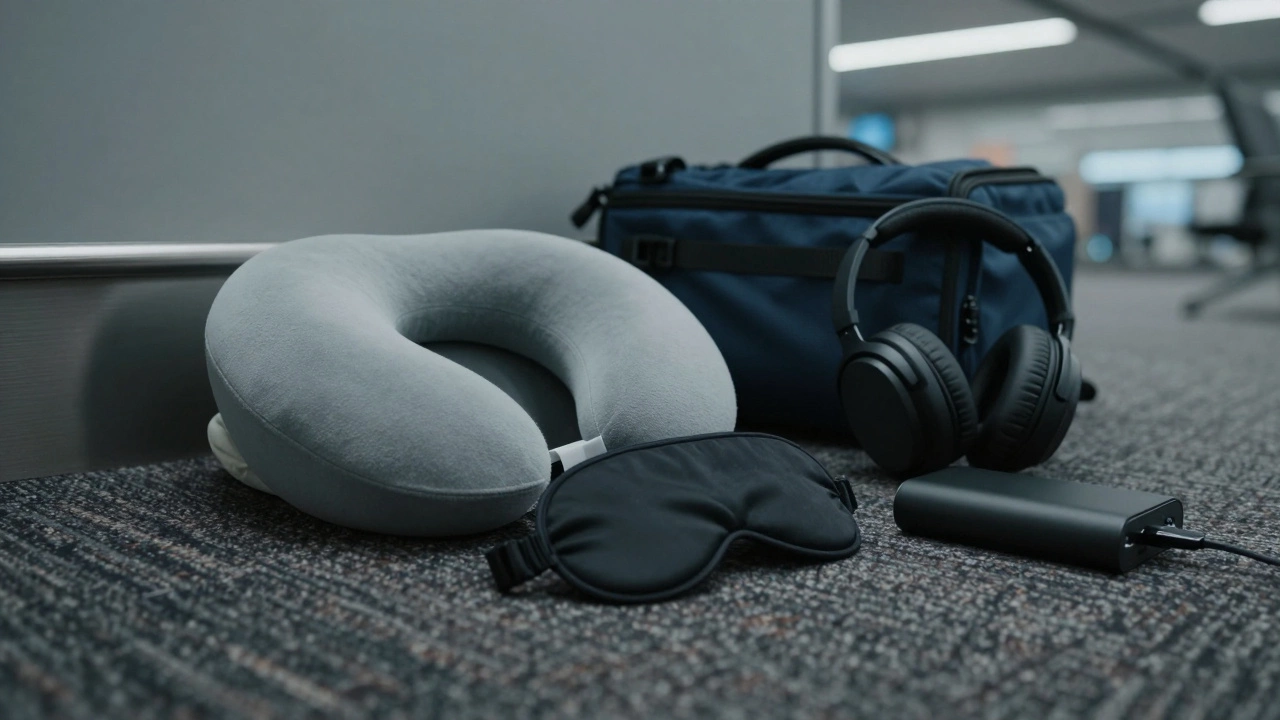
If you know you're going to be sleeping in the terminal, your gear determines whether you wake up feeling like a zombie or just slightly tired. You need to create your own "micro-environment" to block out the chaos of the airport.
- Noise-Canceling Headphones: Essential for blocking out the constant drone of the ventilation and the sporadic screams of toddlers.
- Eye Mask: Airport lighting is designed to keep you awake. A thick blackout mask is the only way to trick your brain into thinking it's nighttime.
- Inflatable Neck Pillow: Don't get the cheap foam ones; get a high-quality memory foam or inflatable version that actually supports your chin.
- Light Jacket or Travel Blanket: Airports are notoriously cold, regardless of the weather outside. Use your jacket as a pillow if you have to.
- Portable Power Bank: Don't fight over the three available outlets near a pillar. Keep your phone charged so you don't miss your boarding call.
Safety and Etiquette: How to Not Get Kicked Out
Sleeping in public is a vulnerability game. You can't just collapse and hope for the best. First, secure your belongings. Use a small TSA-approved lock on your backpack, or loop your strap around your arm or leg. This prevents "grab-and-run" thefts while you're in a deep sleep.
Be mindful of your space. Don't sprawl across three seats if the terminal is crowded. Keep your gear tucked in tightly. Also, stay aware of your surroundings. If you're in a high-security zone, security officers might wake you up to check your boarding pass. Don't get defensive; just show your documents and be polite. They're just doing their jobs, and being a "problem sleeper" is a quick way to get escorted to a less comfortable part of the building.
Is it legal to sleep in an airport?
Yes, in the vast majority of international airports, sleeping in public areas is permitted as long as you have a valid boarding pass and aren't obstructing traffic or violating specific security rules. However, some airports may have designated areas where sleeping is encouraged and others where security may ask you to move if you've stayed in one spot for too many hours.
How do I find the quietest part of the airport?
Look for terminals or concourses that aren't currently active. Check the departure boards to see which gates are empty for the next several hours. Upper-level walkways and areas near the far ends of the terminal are typically quieter than the central hubs and food courts.
Are airport sleeping pods safe?
Generally, yes. Most pods have locking doors and are located in monitored areas. However, they aren't as secure as a hotel room. You should still keep your valuables (passport, wallet, electronics) in a small bag that stays with you inside the pod.
Can I use a lounge if I'm not a member?
Many lounges offer a "pay-per-visit" option. Depending on the lounge, this can range from $30 to $100. While expensive, it's often cheaper than a hotel and provides access to food, drinks, and sometimes showers.
What should I do if my flight is canceled and I have nowhere to sleep?
First, go to your airline's customer service desk. If the cancellation was the airline's fault (mechanical issue, crew timeout), they may provide hotel vouchers. If it was weather-related, they likely won't. In that case, check for nearby budget hotels or look for on-site pods and lounges as mentioned in this guide.
Next Steps for Your Layover
If you're currently stranded, your first move should be to check the airline app for any hotel vouchers. If that's a no-go, map out the terminal to find a spot with a power outlet. If you're planning a future trip with a long layover, consider booking a sleep in airport pod in advance to avoid the stress of hunting for a bench at 2 AM. Finally, always keep a light blanket in your carry-on; it's the difference between a miserable night and a manageable one.