Can You Refuse to Pay Gratuity at All-Inclusive Hotels? A Complete Guide
 May, 21 2026
All-Inclusive Tipping & Gratuity Calculator
Trip Details
Estimated Total Cost
You just got back from a relaxing week at an all-inclusive resort, a type of accommodation where the upfront price covers lodging, meals, drinks, and often activities. The brochure promised everything was included. Yet, when you look at your final bill or think about the staff who served you, a nagging question pops up: Can I actually refuse to pay the gratuity? It’s a common dilemma. You want to respect the workers, but you also feel like you already paid for that service.
The short answer is yes, you can usually refuse to pay additional tips, but it depends entirely on how the hotel structures its pricing. Some resorts bake the tip into the room rate, while others add it as a separate line item. Understanding the difference between a mandatory service charge and voluntary tipping is key to avoiding awkward moments and ensuring your money goes where it counts.
Understanding the "All-Inclusive" Label
The term "all-inclusive" is marketing gold, but it lacks a strict legal definition. Generally, it means your nightly rate covers your room, buffet meals, à la carte dinners, alcoholic and non-alcoholic beverages, and some entertainment. However, the fine print varies wildly between brands.
In many modern resorts, especially in Europe and parts of Asia, the cost of labor is built into the operational expenses. This means the staff are salaried employees with benefits, and their wages do not rely on customer tips. In these cases, there is no hidden gratuity fee because the service is part of the product you bought. Think of it like buying a ticket to a theme park; you don’t tip the ride operator because your admission fee pays their salary.
Conversely, in destinations like Mexico, the Caribbean, and parts of Africa, the cultural expectation of tipping remains strong even within all-inclusive packages. Here, the base wage for service staff might be lower, and tips serve as a significant supplement to their income. If the resort doesn’t explicitly state that gratuities are included, you might find yourself facing optional but expected tipping scenarios.
Mandatory Service Charges vs. Voluntary Tips
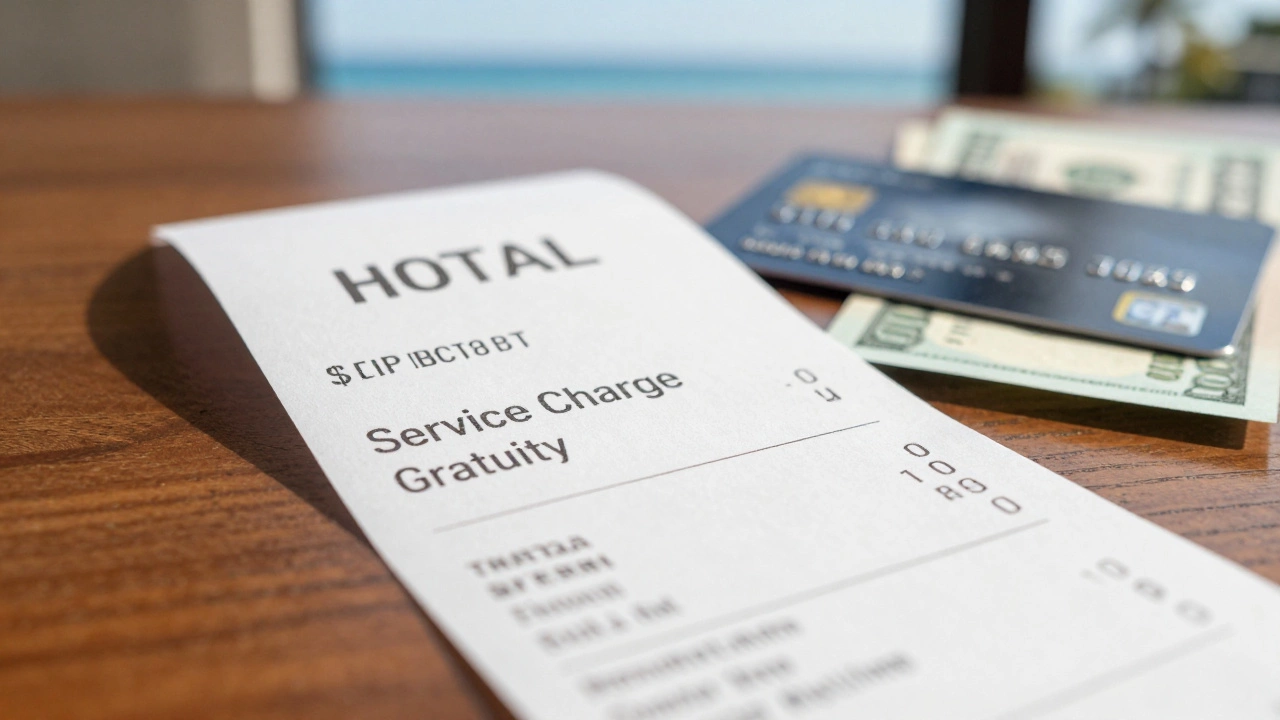
One of the biggest sources of confusion is the difference between a service charge and a tip. When you check out, you might see a line item labeled "Service Charge," "Gratuity," or "Resort Fee." These are often mandatory.
- Mandatory Service Charge: This is a fixed percentage (often 10-15%) added to your bill by the hotel management. It is legally binding once you accept the terms of stay. You cannot refuse this without potentially breaching the contract or causing a dispute at checkout. This money usually goes into a central pool distributed among staff.
- Voluntary Tip: This is cash left directly with a server, housekeeper, or concierge. This is entirely optional. No one can force you to hand over cash for extra service.
If the service charge is clearly listed in your booking confirmation or on the menu, refusing to pay it is difficult. However, if it appears as an unexplained surcharge at the end of your stay, you have the right to ask for clarification. Sometimes, hotels try to double-dip by charging a service fee and then encouraging large voluntary tips. Knowing which bucket your money falls into helps you decide whether to push back.
How to Handle Unexpected Fees
Let’s say you’re at dinner, and the waiter presents the bill with a 15% tip already added. You didn’t authorize this. What do you do?
First, stay calm. Politely ask, "Is this gratuity mandatory?" If the answer is yes, check your reservation details. Many online travel agencies display the total cost including taxes and fees before you click "book." If you agreed to those terms, the fee is likely non-negotiable. However, if the fee was hidden or not disclosed, you can request its removal. Most reputable hotels will waive an undisclosed mandatory tip to avoid a negative review.
If the fee is voluntary but pre-printed on the receipt, you are free to adjust it. You can cross it out and write a different amount, or zero it out if you felt the service was poor. While this might make the server uncomfortable, it is your right as a consumer. Just be prepared for a polite conversation explaining your decision.
Cultural Nuances and Regional Expectations
Tipping culture is not universal. Where you are traveling drastically changes what is considered rude versus respectful.
| Region | Standard Practice | Can You Refuse? |
|---|---|---|
| Mexico & Caribbean | Tipping is expected despite "all-inclusive" labels. Staff rely on it. | Yes, but it may affect service quality. |
| Europe (e.g., Spain, Greece) | Service charge often included. Small cash tips appreciated. | Yes, mandatory tips are rare. |
| Asia (e.g., Thailand, Bali) | Tipping is not traditional but growing in tourist areas. | Yes, generally no pressure. |
| USA (Domestic) | Tipping is standard. Even all-inclusives may expect it. | Yes, but social stigma exists. |
In Mexico, for example, servers often earn minimum wage, which is quite low. A $20 tip can mean the difference between a good day and a bad one for them. Refusing to tip here isn’t just about saving money; it’s about understanding the local economic reality. In contrast, in France, service is included in the price by law. Leaving extra cash is a bonus, not an obligation. Ignoring this distinction can lead to unnecessary guilt or conflict.
When Is It Okay to Withhold Tips?
There are valid reasons to refuse to tip, even in cultures where it’s customary. Poor service is the most obvious one. If your drink took 45 minutes to arrive, your table wasn’t cleared, or the staff was rude, you are not obligated to reward that experience.
Another scenario is when the service charge is already substantial. If you’ve paid a 20% service fee on top of a premium room rate, adding another 15% in cash might feel excessive. In these cases, leaving small bills for exceptional individual service-like a bartender who remembered your name-is a balanced approach.
However, be cautious about withholding tips due to minor inconveniences. Spilled water or a slow start to breakfast might not warrant a complete refusal. Consider speaking to a manager first. They can often resolve issues immediately, making a tip adjustment unnecessary.

Alternatives to Cash Tipping
If you dislike handing over cash or feel pressured by the tipping system, consider other ways to show appreciation. Many all-inclusive resorts have suggestion boxes or digital feedback forms. A glowing online review mentioning specific staff members by name can boost their careers and sometimes trigger performance bonuses from management.
Some luxury chains offer "tip-free" experiences where they guarantee fair wages for all employees. Choosing these properties supports a more equitable labor model. Look for keywords like "no-tipping policy" or "service included" in the hotel description. This shifts the burden from the guest to the employer, creating a smoother experience for everyone.
Navigating Checkout Disputes
If you decide to refuse a gratuity at checkout, keep it professional. Present your case clearly: "I noticed a service charge on my bill that wasn't mentioned during booking. I’d like to discuss this." Avoid aggressive language. Hotel managers are trained to handle disputes, and they often have the authority to waive fees to maintain goodwill.
Remember, credit card companies also allow you to dispute charges if services were not rendered as described. If you were charged for a premium dining experience that never happened, or if a mandatory tip was hidden, you have recourse. But use this as a last resort. Direct communication usually yields faster results.
Is it rude to not tip at an all-inclusive resort?
It depends on the location. In places like Mexico or the Caribbean, tipping is culturally expected and financially important for staff, so not tipping might be seen as rude. In Europe or Asia, where service charges are often included, not tipping extra is perfectly acceptable and not considered rude.
Can I remove a mandatory service charge from my bill?
If the service charge was clearly disclosed in your booking terms, it is likely non-negotiable. However, if it was hidden or not mentioned, you can politely request its removal at checkout. Most hotels will comply to avoid a dispute or negative review.
Do all-inclusive hotels really include tips in the price?
Many high-end resorts do include a service charge that covers tips. However, "all-inclusive" does not always mean "no tipping." Always check the fine print. Some resorts include basic service but still expect cash tips for exceptional service or private amenities.
What should I do if the service is bad at an all-inclusive hotel?
Address the issue with management first. They can often fix the problem immediately. If the service remains poor, you are under no obligation to leave additional cash tips. You can also mention the poor service in your post-stay review to provide constructive feedback.
How much should I tip if I choose to tip at an all-inclusive resort?
If you decide to tip, small amounts go a long way. $1-$2 per drink, $5-$10 per day for housekeeping, and $5-$10 per meal for waitstaff are common guidelines. Adjust based on the level of service and local currency value.