Cottage Bedroom Limits: How Many Rooms Do You Actually Need?
 Apr, 16 2026
Cottage Space & Capacity Planner
Planning Recommendation
Enter your guest requirements to see the recommended layout.
You might think a cottage is just a small house in the woods, but the reality is that they range from tiny one-room shacks to sprawling estates. If you're planning to build or buy one, you'll find that there isn't a legal "maximum" number of bedrooms. Instead, the limit is usually set by your budget, the size of your lot, and how many people you actually plan to host without losing your mind during the holidays.
Key Takeaways for Planning Your Space
- Small cottages typically have 1-2 bedrooms, ideal for couples or solo retreats.
- Medium-sized family cottages usually hit the 3-4 bedroom mark.
- Luxury rural retreats can have 5-8+ bedrooms, though these often blur the line into "country houses."
- Zoning laws and local building codes often dictate the actual footprint more than the room count.
Defining the Modern Cottage
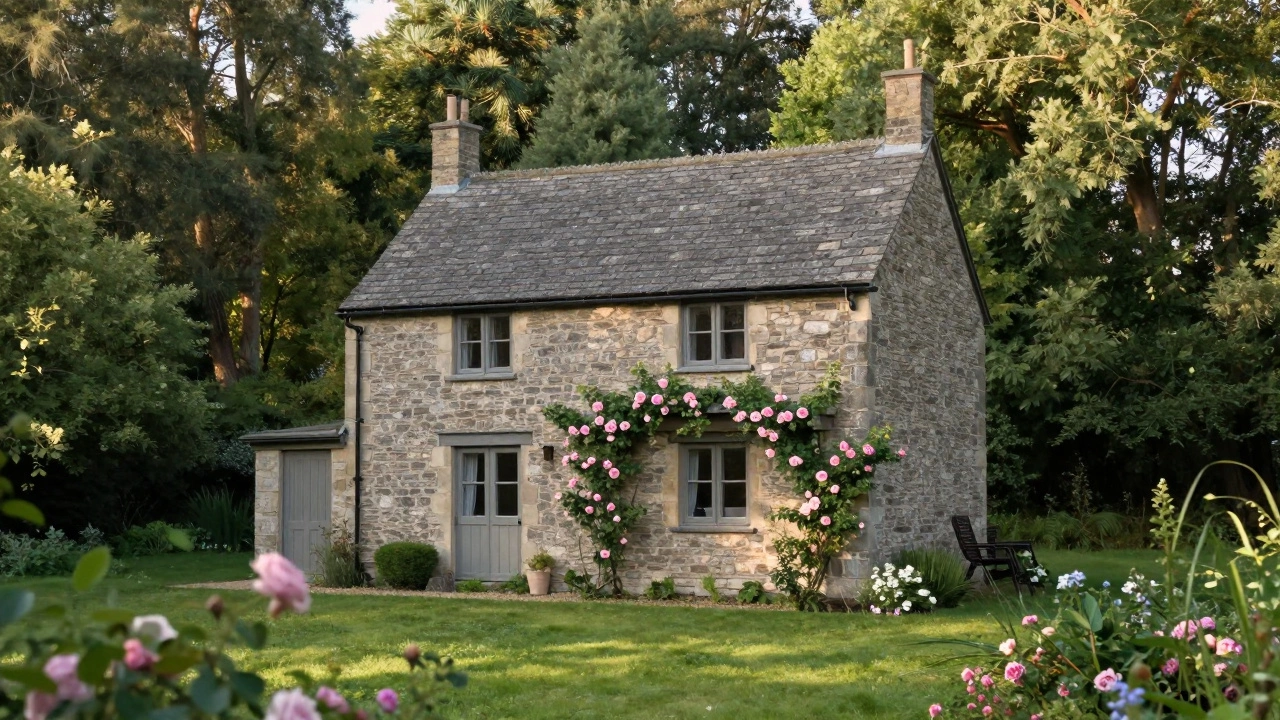
Before we count the rooms, we need to define what we're talking about. A Cottage is a small, cozy dwelling, typically located in a rural or semi-rural area, designed for seasonal use or as a primary residence in the countryside. While the traditional image is a quaint stone hut, today's rural architecture allows for much more flexibility. Whether it's a country house or a lakeside cabin, the core idea is a connection to nature and a slower pace of life.
The number of bedrooms often depends on the architectural style. For instance, a Bungalow style cottage usually keeps everything on one level, which can limit how many bedrooms you can fit without making the house feel like a long hallway. On the other hand, a Cape Cod design uses the space under a steep roof to tuck away extra bedrooms, allowing a small footprint to host a larger group.
The Small Retreat: 1 to 2 Bedrooms
For many, the whole point of a cottage is to escape the noise. A one-bedroom setup is the gold standard for couples or people looking for a writing retreat. In these layouts, the focus is on the common areas-a large kitchen and a cozy living room-rather than sleeping quarters. If you're building a Tiny House inspired cottage, you might not even have a separate bedroom, instead opting for a lofted sleeping area.
Two-bedroom cottages are the "sweet spot" for versatility. You have a primary room and a flexible second room. This second room often doubles as an office or a hobby space when guests aren't visiting. If you're looking at cottage bedroom count for a rental property, two bedrooms are often the most profitable because they appeal to both couples and small families, keeping your utility costs low while maximizing occupancy.
The Family Hub: 3 to 4 Bedrooms
Once you hit three bedrooms, you've moved from a "retreat" to a "family hub." This size is common for those who want to bring grandchildren, cousins, and friends for the summer. At this scale, the layout becomes critical. You don't want everyone walking through the master bedroom to get to the kids' room.
In a three-bedroom configuration, you'll typically see one large master suite and two smaller rooms. If you push to four bedrooms, you're likely dealing with a house between 1,500 and 2,500 square feet. At this point, you have to consider the "bathroom ratio." A common mistake in rural builds is adding a fourth bedroom without adding a second or third bathroom, leading to morning traffic jams that can ruin a relaxing vacation.
| Cottage Type | Typical Bedrooms | Ideal Occupancy | Primary Use Case |
|---|---|---|---|
| Micro/Tiny | 0-1 | 1-2 People | Solo retreat or romantic getaway |
| Standard | 2-3 | 2-5 People | Small family or couple with guests |
| Family Estate | 4-6 | 6-12 People | Multi-generational gatherings |
| Grand Rural | 7+ | 12+ People | Corporate retreats or large clans |
The Luxury Scale: 5 to 8+ Bedrooms
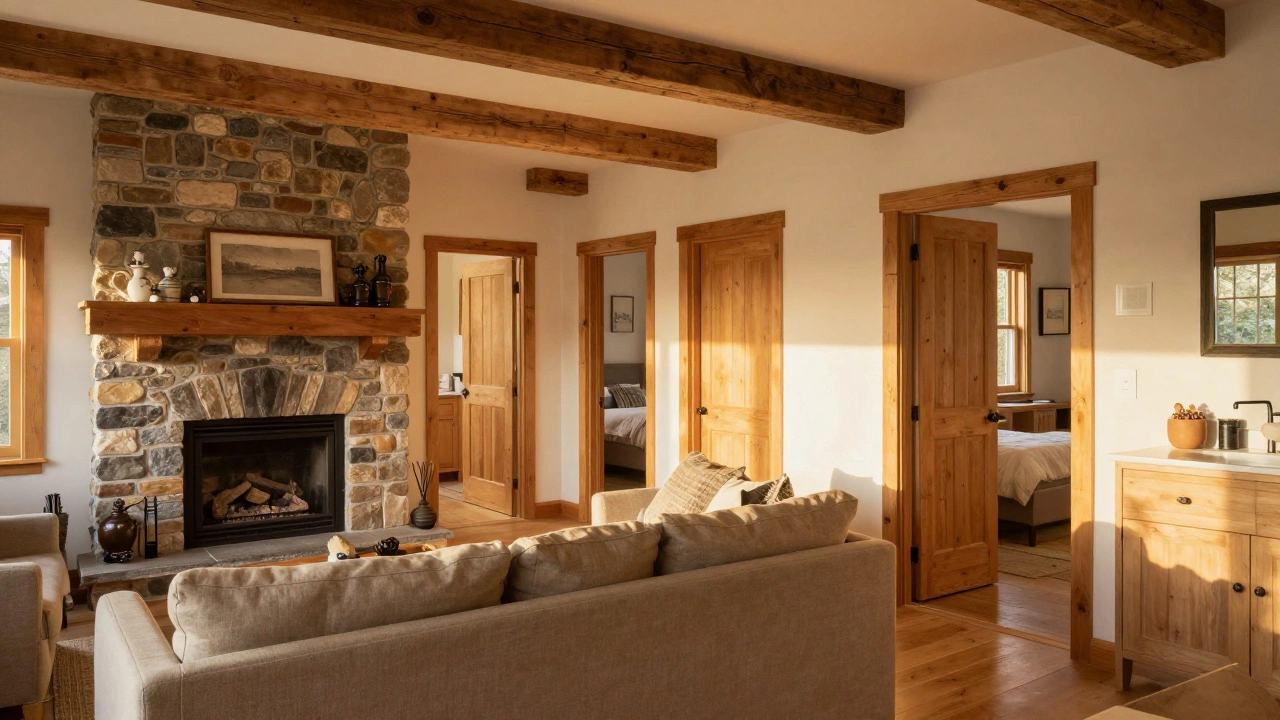
Can a cottage have eight bedrooms? Yes, but at that point, you're effectively building a small hotel. These are usually found in areas like the English countryside or the lakes of Canada, where sprawling land allows for massive footprints. When a cottage reaches this size, it usually incorporates specialized rooms that aren't strictly "bedrooms," such as Guest Suites with their own private entrances.
The challenge with 5+ bedrooms is maintaining the "cottage feel." Big houses can feel cold and institutional. To prevent this, designers often use a "cluster' approach, where bedrooms are grouped into wings. This keeps the social heart of the home-the kitchen and fireplace-central, while providing privacy for guests. If you're designing at this scale, consider a Floor Plan that emphasizes flow over sheer room count.
Practical Constraints: What Actually Limits the Count?
While there's no magic number in a rulebook, several real-world factors will stop you from adding "just one more room." First is the Zoning Law. In many rural areas, there are strict limits on the "building envelope"-the maximum area of land you can cover with a structure. If your envelope is only 1,000 square feet, you're not fitting six bedrooms in there unless they're the size of closets.
Then there's the infrastructure. In the city, you just plug into the sewer. In a rural cottage, you likely rely on a Septic System. Septic tanks are rated by the number of bedrooms, not the number of people. If you add a fifth bedroom, the local health department may require you to install a larger, more expensive tank to handle the increased load. This is often the hidden cost that kills the dream of a massive bedroom count.
Heating is another factor. Rural cottages often use Radiant Heating or wood-burning stoves. The more rooms you add, the harder it is to keep the whole place warm in January. A sprawling 8-bedroom cottage with poor insulation can become a financial nightmare in heating costs alone.
Creative Alternatives to Traditional Bedrooms
If you're torn between a 2-bedroom and a 3-bedroom layout, stop thinking about "rooms" and start thinking about "sleeping spaces." Many successful cottage owners use flexible options that don't count toward the official bedroom tally but still host guests comfortably.
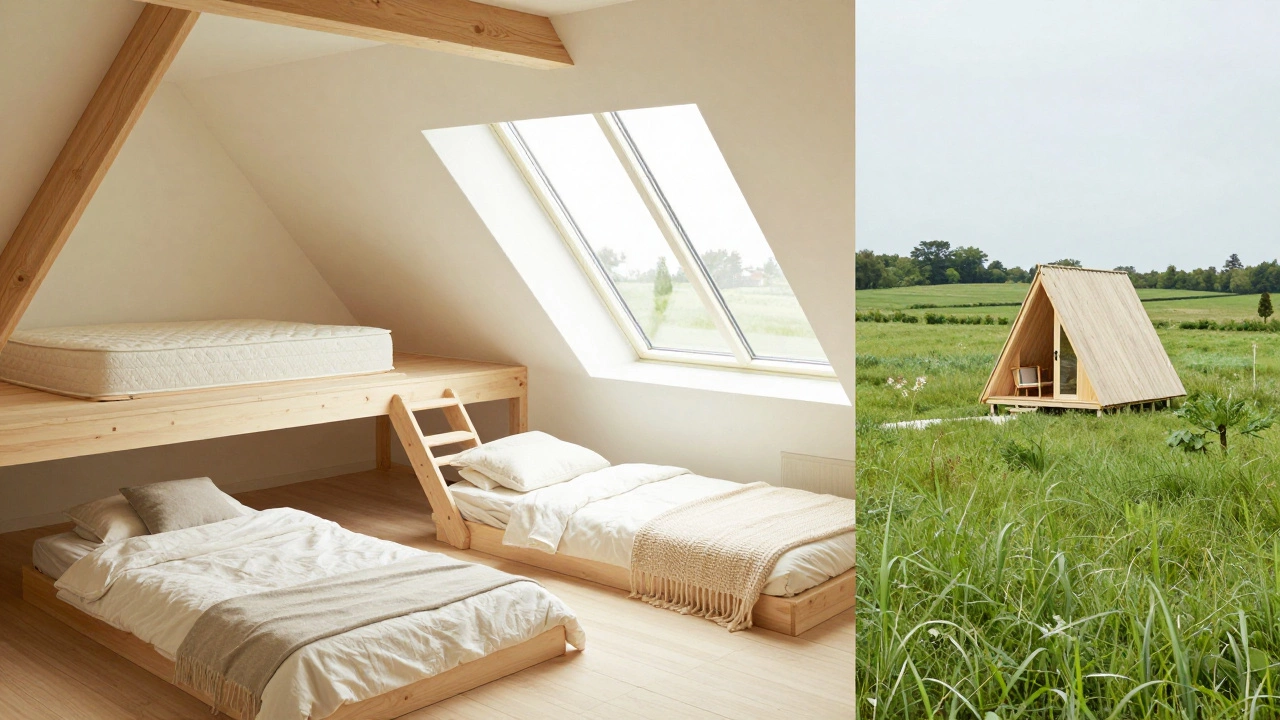
- The Loft: A cozy area under the eaves with a mattress. It's not a legal bedroom (usually lacking a closet or window), but it's perfect for kids.
- Convertible Spaces: A den with a high-quality sofa bed. This allows you to keep the square footage open for daily use while accommodating a guest on weekends.
- Detached Cabins: Instead of adding a room to the main house, build a separate tiny cabin. This preserves the privacy of the main house and creates a destination feel on the property.
- The Sunroom: A four-season porch that can hold a daybed, providing a bright, airy place to nap during the day.
Using these strategies allows you to keep the main house small and efficient while still being able to say, "Yes, you can all stay here for the weekend." It also helps with resale value; a 3-bedroom house is generally easier to sell than a 5-bedroom house that feels cramped.
Does adding a bedroom always increase the property value?
Not necessarily. In a cottage, the value comes from the vibe and the location. If adding a bedroom makes the living room feel tiny or the layout awkward, it can actually hurt the value. A spacious 2-bedroom cottage is often more desirable than a cramped 3-bedroom one.
What is the minimum number of bedrooms for a rental cottage?
For a successful short-term rental, 2 bedrooms is usually the minimum. It allows for a couple to bring a child or two friends. However, "micro-cottages" with just one room are becoming popular for romantic getaways, which can often command a higher price per night due to their niche appeal.
How do I define a 'bedroom' legally in a rural area?
This varies by region, but generally, a room must have a minimum square footage, a window for egress (emergency exit), and a closet. If a room lacks a window or a door, it's often classified as a "bonus room" rather than a bedroom, which might affect your taxes or septic requirements.
Can a studio cottage be considered a 1-bedroom?
No. A studio is an open-concept space where the living, dining, and sleeping areas are all in one room. A 1-bedroom cottage has a distinct, walled-off area for the bed, providing privacy from the rest of the house.
What is the best bedroom ratio for a family cottage?
A good rule of thumb is one full bathroom for every two bedrooms. If you have 4 bedrooms, you should aim for at least 2.5 bathrooms. This prevents the "morning rush" and ensures that guests have a level of privacy and convenience.
What to do next
If you're currently sketching out a floor plan, start by listing your "worst-case scenario" guests. Do you have three adult children who all want their own space? Or are you mostly hosting couples? Map out your needs for the next ten years, not just today.
If you're buying an existing place and the bedroom count feels too low, look for "dead space." Unfinished attics or oversized laundry rooms can often be converted into cozy sleeping nooks without requiring a full structural overhaul. Just remember to check those local zoning laws and your septic capacity before you start knocking down walls.