Does All-Inclusive Mean No Tipping? What You Really Need to Know
 Mar, 9 2026
All-Inclusive Resort Tip Calculator
⚠️ Mandatory service charges (10-18%) typically don't reach staff.
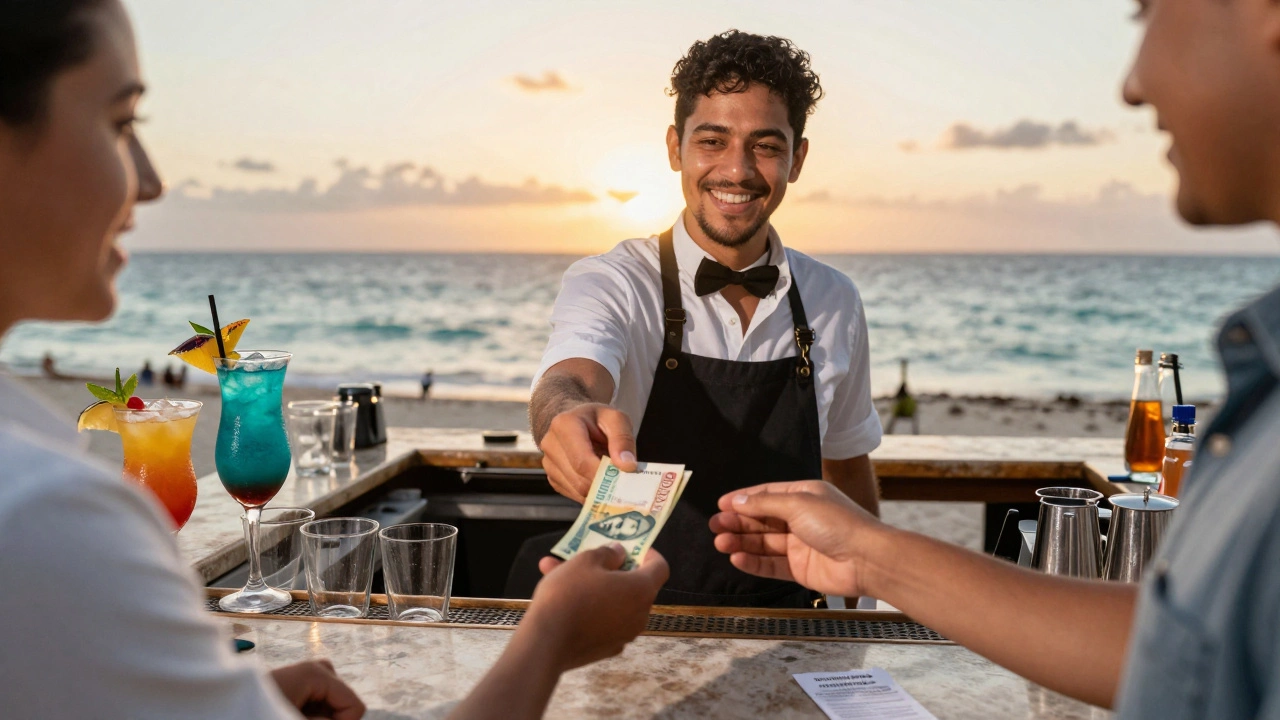
Only cash tips ensure service staff receive your appreciation.
Always tip in local currency for best results.
When you book an all-inclusive resort, you’re promised meals, drinks, activities, and sometimes even spa services-all wrapped into one price. It’s simple. It’s convenient. But then you start wondering: does all-inclusive mean no tipping? The short answer? No. Not always. And if you assume it does, you might leave your servers feeling undervalued-or worse, miss out on better service during your trip.
What "All-Inclusive" Actually Covers
All-inclusive doesn’t mean "everything is free." It means the base cost of your stay includes food, non-alcoholic and often alcoholic drinks, certain activities, and sometimes even airport transfers. But tipping isn’t part of that package. Why? Because the people serving you aren’t salaried employees of the resort-they’re often contracted workers paid low hourly wages, with tips making up the bulk of their income.
Take a beachside bartender in Cancún or a housekeeper in Jamaica. Their base pay might be $5 a day. Without tips, they’re barely scraping by. Resorts know this. That’s why most include a line on your final bill labeled "mandatory service charge" or "resort fee." But here’s the catch: that fee doesn’t go to the staff. It goes to the hotel’s corporate account. The real money that keeps servers motivated? Cash tips.
Where Tipping Still Matters
Even at the fanciest all-inclusive resort, some roles rely almost entirely on tips. Here’s who you should consider tipping:
- Waitstaff - The servers who bring your food, refill your drinks, and remember you like lime in your soda. They’re often juggling 10 tables at once. A $1-$2 tip per drink or $5-$10 per meal goes a long way.
- Housekeeping - They clean your room daily, change towels, and sometimes even leave a small welcome gift. $2-$5 per day, left in an envelope or on the nightstand, is standard.
- Bar staff - Bartenders who mix your cocktails, refill your water, and chat with you while you unwind. Tip $1 per drink or $5-$10 at the end of the night.
- Concierge - If they go out of their way to book a private dinner, arrange a sunset cruise, or get you into a sold-out show, $10-$20 is appropriate.
- Tour guides - If you take a snorkeling trip or a guided jungle walk organized by the resort, tip $5-$10 per person. These guides aren’t on the resort payroll.
These aren’t suggestions. They’re expectations. Staff notice who tips and who doesn’t. And they remember.
The "Mandatory Service Charge" Trap
Many resorts slap on a 10-18% service charge to your bill. It sounds like tipping, right? But here’s the truth: that fee is often kept by the resort. It might cover administrative costs, uniforms, or even corporate bonuses. It rarely gets distributed evenly to frontline workers.
One study from 2023 by the Caribbean Tourism Organization found that only 32% of mandatory service charges were passed on to staff in full. The rest? Absorbed into overhead. So even if you pay the fee, you’re not guaranteeing your server gets anything. Cash tips? That’s the only way to know your money reached the right person.

When You Don’t Need to Tip
Not every interaction needs a tip. You don’t need to tip:
- Buffet attendants who refill your water or clear plates-you’re already paying for the service.
- Pool attendants who hand you towels-they’re covered by the resort’s staff budget.
- Entertainment staff like dancers or singers-they’re usually salaried employees.
But if one of them goes above and beyond-remembers your name, brings you an extra drink, or helps you with your kids-then yes, a small tip is a nice gesture. It’s not about obligation. It’s about appreciation.
Cash vs. Card Tips
Always tip in local currency. Credit card tips? They’re often delayed, reduced, or lost in accounting. A $5 bill in pesos, Jamaican dollars, or pesos is worth more than a $5 card tip. And if you’re not carrying cash? ATMs are everywhere. Withdraw a few extra bills on day one.
Some resorts now offer digital tipping apps. But these aren’t reliable. They’re slow, require setup, and many staff don’t use them. Stick to cash. It’s faster, more personal, and more effective.

What Happens If You Don’t Tip?
You might not notice it right away. But over time, service slips. Your drinks come slower. Your towels aren’t replaced. Your room isn’t cleaned as thoroughly. Staff aren’t rude-they’re just less motivated. And when you’re on vacation, you want to feel taken care of. That’s why tipping isn’t optional. It’s part of the experience.
One guest in Punta Cana told us she didn’t tip on her first trip because "it was all-inclusive." Her second trip? She tipped $20 a day. The difference? Her cocktails arrived cold. Her room was spotless. Her waitress remembered she hated limes. That’s the power of a small tip.
How Much Should You Budget?
For a 7-day trip, plan to bring $50-$100 in local currency for tips. That’s about $7-$15 per day. It sounds like a lot, but compared to the $1,000+ you spent on the resort? It’s less than 10% of your total cost-and it buys you better service, better vibes, and better memories.
Pro tip: Keep small bills in your pocket. A $1 bill for the bar, $2 for housekeeping. It’s easier than fumbling with change.
Final Thought: Tipping Isn’t Charity. It’s Fairness.
All-inclusive resorts make money off your stay. They profit from your meals, your drinks, your spa treatments. But the people who make your stay enjoyable? They’re paid pennies. Tipping isn’t a bonus. It’s the wage they were promised when they took the job.
So yes, tipping is expected. And yes, it makes a difference. Skip it, and you’re not saving money-you’re just shifting the cost onto someone else. Give it, and you’re not just being nice. You’re being fair.