Glamping Toilets: Do You Have Your Own Bathroom or Share Facilities?
 Jun, 14 2026
Glamping Bathroom Privacy Checker
Not sure if your glamping spot has a private toilet or shared facilities? Enter the keywords from your booking description below to find out.
You book a sleek yurt in the woods. The photos show a king-sized bed, fairy lights, and a view of the stars. But then you see the fine print: "Shared composting toilet." Suddenly, that romantic escape feels a lot less appealing. If you’ve ever wondered whether you get your own toilet when glamping, the answer is: it depends entirely on what kind of glamping site you choose.
Glamping isn’t just one thing. It’s a spectrum. On one end, you have luxury tents with en-suite marble bathrooms that rival five-star hotels. On the other, you have rustic pods where you walk across a field to a communal eco-loo. Knowing the difference before you book can save you from an awkward morning situation.
The Spectrum of Glamping Bathrooms
To understand if you’ll have your own toilet, you need to look at the type of accommodation. The industry generally splits into three main categories based on privacy and plumbing.
| Accommodation Type | Toilet Setup | Plumbing | Privacy Level |
|---|---|---|---|
| Luxury Yurts & Pods | Private En-Suite | Full Mains Water & Sewer | High (Inside unit) |
| Eco-Domes & Bell Tents | Semi-Private or Shared | Composting or Chemical | Medium (Nearby block) |
| Rustic Camping Cabins | Shared Communal | Eco-Toilets / Pit Latrines | Low (Central location) |
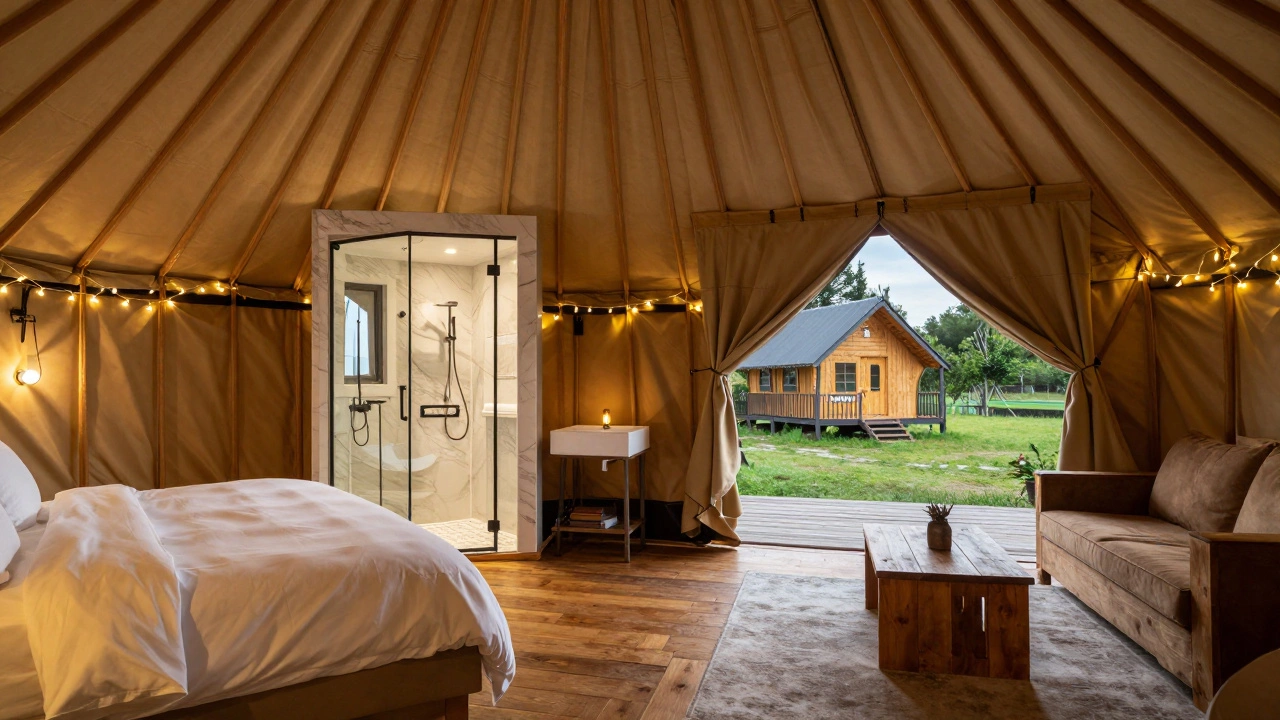
If you are booking a luxury yurt or a glamping pod, you will almost always find a private bathroom attached to your unit. These structures are often built on concrete foundations with full electrical and water hookups. They feel like small cabins. You flush, you shower, and you lock the door. No neighbors involved.
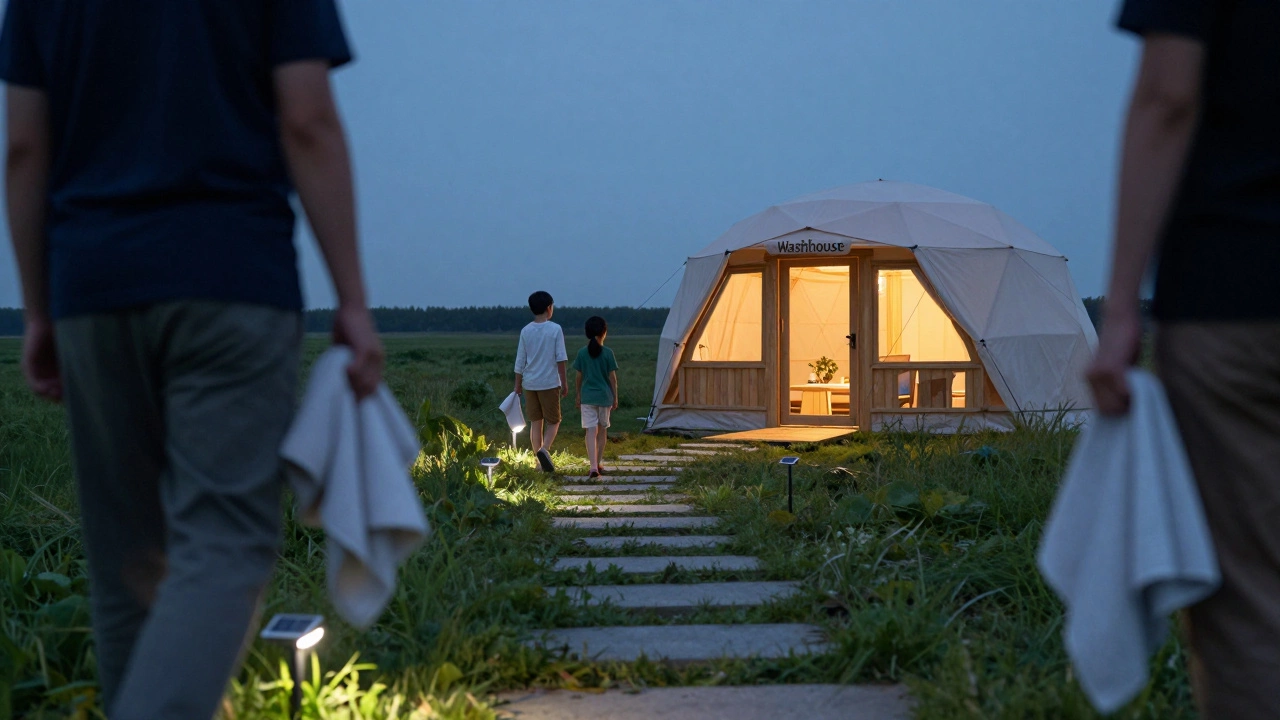
However, if you are staying in a bell tent or a canvas dome, the rules change. These are softer structures. Many eco-conscious sites place these tents in clusters and provide a beautiful, well-maintained shared bathroom block nearby. This might be a wooden cabin with hot showers and composting toilets, located just a 50-meter walk away. It’s clean, but it’s not yours alone.
How to Spot Private vs. Shared Facilities Before Booking
Description language can be tricky. A listing might say "private entrance" but mean only the bedroom area. Here is how to decode the jargon so you know exactly what you are getting.
- "En-suite": This is the gold standard. It means the toilet and shower are inside your sleeping space or directly accessible without going outside.
- "Self-contained": Usually implies a kitchenette and a bathroom within the same structure. Check the floor plan if available.
- "Communal facilities": Be careful here. This often means shared toilets. Sometimes it means shared kitchens too. Read the details carefully.
- "Eco-toilets": This refers to the technology (composting or chemical), not necessarily the privacy. An eco-toilet can be private or shared.
Look for photos of the bathroom specifically. If the photo shows a sink and mirror inside the tent or pod, you likely have a private setup. If the photo shows a separate building labeled "Washhouse" or "Bathroom Block," you are sharing.
What Happens When You Don't Have Your Own Toilet?
Let’s say you booked a budget-friendly bell tent and found out there are no private facilities. Is it a dealbreaker? Not necessarily. Modern glamping sites invest heavily in their shared amenities because they know this is a pain point for guests.
A high-quality shared facility usually includes:
- Hot Showers: Heated by solar power, wood burners, or electric pumps. They are rarely cold unless something breaks.
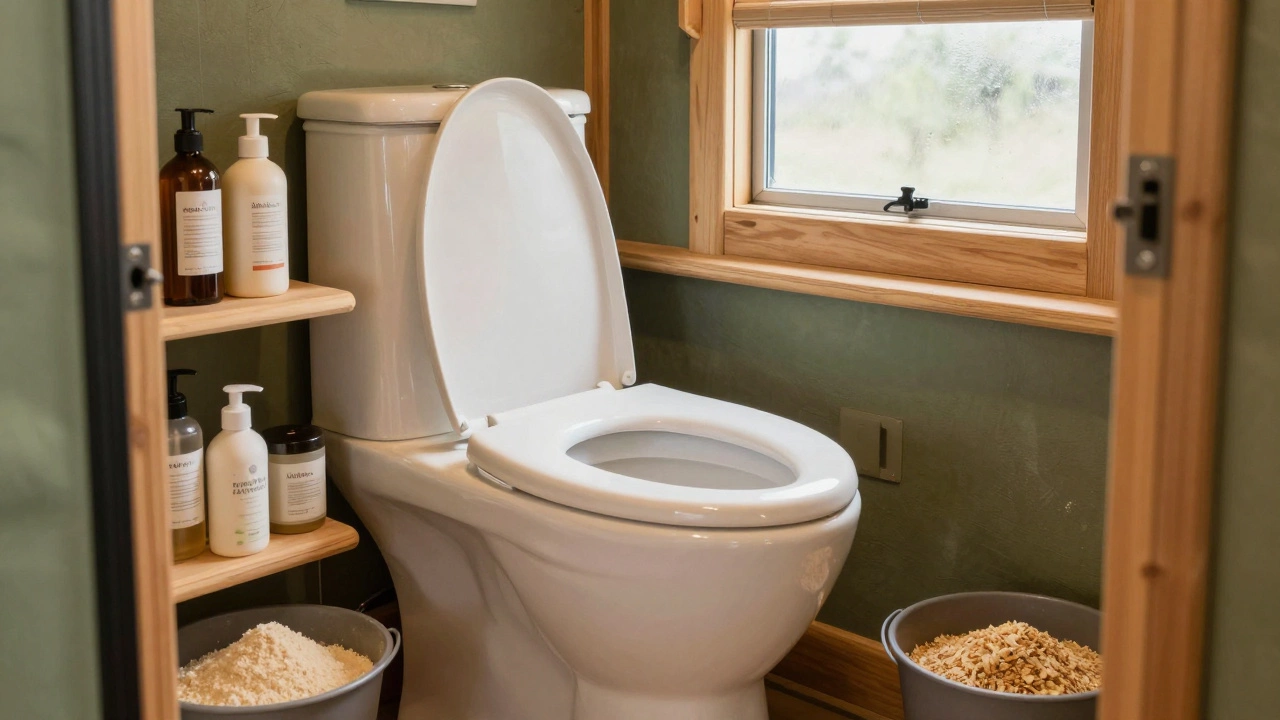
- Composting Toilets: These don’t use water. Instead, they use sawdust or peat moss to break down waste. They smell earthy, not foul, if maintained correctly.
- Ventilation: Good fans and windows prevent humidity buildup.
- Cleanliness Protocols: Staff typically clean these blocks twice daily-once in the morning and once in the evening.
The trade-off is convenience. You have to carry your towel, toothbrush, and robe across the grass. At night, you might need a flashlight. For many travelers, this adds to the "camping" feel without sacrificing hygiene. But if you have mobility issues or young children who wake up frequently, shared facilities can be frustrating.
The Rise of Hybrid Options
In recent years, a middle ground has emerged. Some sites offer "semi-private" setups. Imagine a large canvas tent with two bedrooms. Between them is a small enclosed room containing a toilet and a sink. The shower might be in a separate outdoor pod next door, or included in that central room.
This setup offers more privacy than a communal block but saves on the cost of installing full sewer lines for every single tent. It’s popular in family-friendly glamping resorts. You share the bathroom with your travel companions, but not with strangers.
Questions to Ask the Host
When in doubt, email the host. Here are three specific questions to ask to avoid surprises:
- "Is the toilet inside the sleeping area, or do I need to go outside?" This clarifies if you step out into the rain to use the loo.
- "Are the facilities shared with other guests, or just my party?" This distinguishes between a private en-suite and a semi-private family bath.
- "How often are the shared facilities cleaned?" Their answer tells you about their maintenance standards.
Don’t be shy. Hosts appreciate clear expectations. It’s better to ask now than to stand in the dark looking for a key to the washhouse at 2 AM.
Why Privacy Matters in Glamping
Glamping promises comfort in nature. For some, part of the charm is the ruggedness of walking to a composting toilet. For others, the appeal is escaping the hassle of traditional camping while keeping the aesthetic.
If you fall into the second group, prioritize listings that explicitly state "private en-suite." These units cost more, but you pay for the infrastructure. The hosts have dug trenches, laid pipes, and installed septic tanks or greywater systems. That engineering work is what keeps your toilet private and functional.
Ultimately, having your own toilet changes the pace of your trip. You can sleep in late without worrying about the queue for the shower. You can keep your toiletries close at hand. It turns a glamping stay from an adventure into a true relaxation retreat.
Do all glamping sites have private toilets?
No. While luxury yurts and pods often have private en-suites, many bell tents, safari tents, and eco-domes rely on shared communal bathroom blocks. Always check the listing description for keywords like "en-suite" or "private bathroom" to be sure.
What is a composting toilet used in glamping?
A composting toilet is a waterless system that uses organic material like sawdust or peat to decompose waste. It is eco-friendly and common in off-grid glamping sites. It requires users to add bulking agent after each use and does not flush like a standard toilet.
Is it safe to use shared glamping bathrooms?
Yes, reputable glamping sites maintain high hygiene standards. Shared facilities are typically cleaned multiple times a day. However, you should still bring your own towel and toiletries, and practice good personal hygiene as you would in any public restroom.
Can I request a private bathroom when booking glamping?
You cannot usually upgrade a tent to have a private bathroom if it doesn't already have one, as this requires permanent plumbing. However, you can filter your search results to show only accommodations with "private en-suite" or contact the host to ask if they have different unit types available.
Do glamping toilets have running water?
It depends on the site. Luxury glamping with private en-suites typically has mains water and sewer connections, providing running water and flushing toilets. Eco-glamping sites may use tank water for sinks and composting or chemical toilets that do not require running water for flushing.