How Much Does the Average All-Inclusive Resort Cost in 2026?
 Feb, 9 2026
Resort Cost Estimator
Estimate Your Resort Cost
Your Estimated Cost
Total Cost
Cost Breakdown
This estimate includes base price, seasonality, and selected drink package.
When you hear "all-inclusive resort," you might picture sun-drenched beaches, unlimited drinks, and meals served without checking a single bill. But how much does it actually cost to book one? The answer isn’t simple-it depends on where you go, when you go, and what kind of experience you want. There’s no single price tag, but we can break down the real numbers so you know what to expect before you book.
What You’re Actually Paying For
An all-inclusive resort doesn’t just mean "free food." It’s a bundle: lodging, three meals a day, snacks, house-brand alcohol, non-motorized water sports, and often activities like yoga or nightly entertainment. Some even include tips and taxes. That’s why the price jumps around so much. You’re not just paying for a room-you’re buying convenience, time, and predictability.
Think of it like a meal plan at a university. You pay upfront so you don’t have to worry about lunch every day. Same idea. But instead of cafeteria pizza, you’re getting lobster dinners and margaritas by the pool.
Price Ranges by Destination
The biggest factor in cost? Location. Resorts in the Caribbean, Mexico, and the Dominican Republic dominate the market-and the pricing.
- Domestic Caribbean (Jamaica, Dominican Republic): $180-$350 per person, per night. This is where most budget-friendly all-inclusives live. Chains like Sandals and Club Med offer solid value here. You’ll get decent rooms, good food, and plenty of drinks, but don’t expect luxury linens or oceanfront views in the lower range.
- Mexico (Cancun, Riviera Maya): $220-$450 per person, per night. This is the sweet spot for families and couples. Resorts here often have better infrastructure, more restaurants, and higher-quality service. You’ll find more organic options, craft cocktails, and even some spas included.
- Florida (Key West, Fort Lauderdale): $300-$600 per person, per night. These are pricier because of higher labor and real estate costs. But if you want an all-inclusive without flying overseas, this is your option. The trade-off? Smaller beaches and more crowds.
- Premium Caribbean (St. Lucia, Barbados): $450-$900+ per person, per night. This is where you get butler service, private plunge pools, and top-shelf spirits. Brands like Aman Resorts or Jade Mountain don’t just serve rum-they serve aged, single-estate rum in crystal glasses.
These are nightly rates for two people sharing a room. So if you’re a solo traveler, you’ll pay close to double unless the resort offers single occupancy discounts-which most don’t.
Seasonal Fluctuations Matter
Booking in December? You’ll pay 40-60% more than in September. Peak season (mid-December to mid-April) is when resorts charge their highest rates. That’s when snowbirds from Canada and the U.S. flood the tropics.
Worst time to book? Right before a holiday. Prices spike like a soda can shaken too hard. Best time? Late April through May, or September through early November. That’s shoulder season. Rain is possible, but so are discounts. You’ll find deals like "stay 5 nights, pay for 3" or free airport transfers.
One real tip: Check for "kids stay free" promotions. Many resorts in Mexico and the Dominican Republic offer this in the off-season. If you’re traveling with kids, that can slash your total cost by 30% or more.

Hidden Costs You Can’t Ignore
"All-inclusive" sounds like everything’s covered. But here’s what usually isn’t:
- Spa treatments
- Scuba diving or motorized water sports
- Specialty restaurants (think truffle pasta or sushi bars)
- Top-shelf liquor (brands like Grey Goose or Patrón often cost extra)
- Wi-Fi (some resorts charge for premium speeds)
- Tip jars at bars (yes, even "all-inclusive" places sometimes ask for tips)
These aren’t scams-they’re upgrades. But if you didn’t know they existed, you could end up spending $100-$200 extra per person on a week-long trip.
Pro tip: Ask if the resort offers an "all-inclusive Plus" package. Some include premium drinks, spa credits, or excursions for a small upcharge. It’s often cheaper than paying à la carte.
How to Save Without Sacrificing Quality
You don’t need to book the most expensive resort to have a great experience. Here’s how smart travelers cut costs:
- Book directly. Third-party sites sometimes have lower upfront prices, but resorts often give better perks (like free upgrades or dining credits) if you book through their website.
- Travel midweek. Flights are cheaper on Tuesdays and Wednesdays. Combine that with a midweek resort stay, and you’ll save big.
- Look for package deals. Many resorts bundle airfare and transfers. Sometimes it’s cheaper than booking separately.
- Use points. Credit card rewards like Chase Ultimate Rewards or Marriott Bonvoy can cover 30-50% of your stay if you’ve been saving.
- Choose a smaller resort. Big chains have more amenities, but smaller boutique all-inclusives often offer better service and lower prices. You’ll still get the food, drinks, and activities-you just won’t have a 12-course tasting menu.
What You Get for the Money
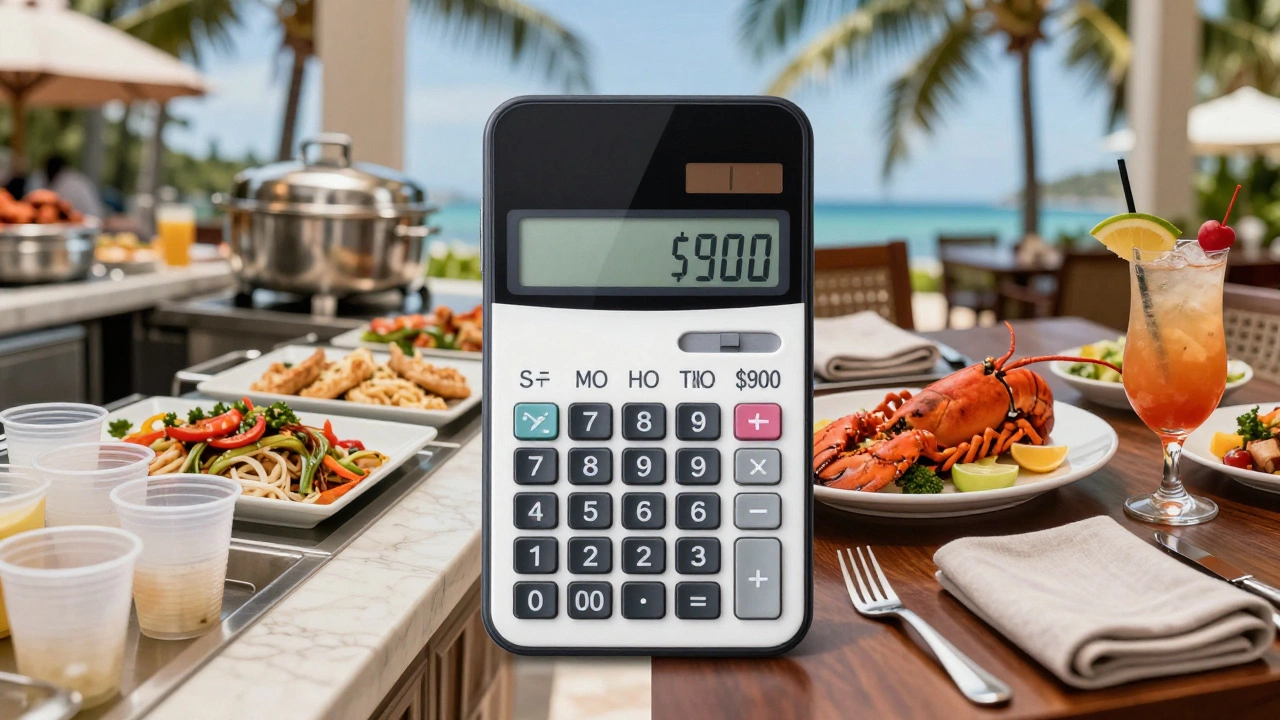
At $200/night, you’ll get clean rooms, decent food, and basic drinks. At $400/night, you’ll get chef-prepared meals, unlimited premium spirits, and private beach cabanas. At $700+, you’ll get personalized butlers, in-room espresso machines, and daily yoga sessions with a certified instructor.
One traveler I spoke with in Punta Cana said her $320/night resort had a lobster night every Thursday. She ate it every time. "I didn’t even know I liked lobster," she told me. "Now I can’t imagine a vacation without it."
That’s the real value of an all-inclusive: discovery. You try things you’d never order at home. You relax because you’re not watching the clock or the bill.
Is It Worth It?
For some, yes. For others, no. If you’re the type who hates planning meals, worries about bar tabs, or just wants to lie on the beach without thinking, then yes-it’s worth it.
But if you love exploring local restaurants, want to try street food, or prefer to sip your coffee in a quiet café instead of a resort buffet, then you might be better off with a boutique hotel and a rental car.
The average all-inclusive resort in 2026 costs about $300-$400 per person, per night. That’s the sweet spot for most travelers. But the real question isn’t the price-it’s whether you’ll enjoy what you’re paying for.
Don’t book the most expensive one. Don’t chase the cheapest. Book the one that matches how you want to spend your vacation. That’s the only price that matters.
Are all-inclusive resorts worth it for families?
Yes, especially if you have kids under 12. Many resorts offer kids’ clubs, family pools, and free meals for children under a certain age. You won’t need to worry about finding restaurants that cater to picky eaters or paying extra for kids’ menus. A $300/night resort might cost $900 for a family of three, but that’s still less than booking a hotel, renting a car, and eating out three meals a day.
Do all-inclusive resorts include alcohol?
Most include house-brand alcohol-beer, wine, and well liquors. Premium brands like Grey Goose, Patrón, or Dom Pérignon usually cost extra. Some resorts offer "premium all-inclusive" packages that upgrade your drink options for a higher nightly rate. Always check what’s included before booking.
Can I save money by booking last minute?
Sometimes. Last-minute deals happen in the off-season, especially in late April or September. But during peak times (winter holidays), prices only go up. If you’re flexible with dates and destinations, you might find a 30-50% discount. But if you have a specific resort in mind, booking early is safer.
Are all-inclusive resorts safe?
Resorts are generally safe because they’re self-contained. You’re not wandering into unfamiliar neighborhoods. But like any travel destination, petty theft can happen. Always lock your room, keep valuables in the safe, and avoid flashing expensive gear. Stick to resort grounds after dark unless you’re on an organized tour.
What’s the difference between an all-inclusive and a resort with a meal plan?
An all-inclusive package includes food, drinks, activities, and often tips and taxes. A meal plan only covers meals-you’ll still pay for drinks, spa services, and activities. Some resorts call their meal plans "all-inclusive," but they’re not. Always read the fine print: if it doesn’t list drinks or activities, it’s not truly all-inclusive.