How Much Is the Average All-Inclusive Vacation in 2026?
 Mar, 12 2026
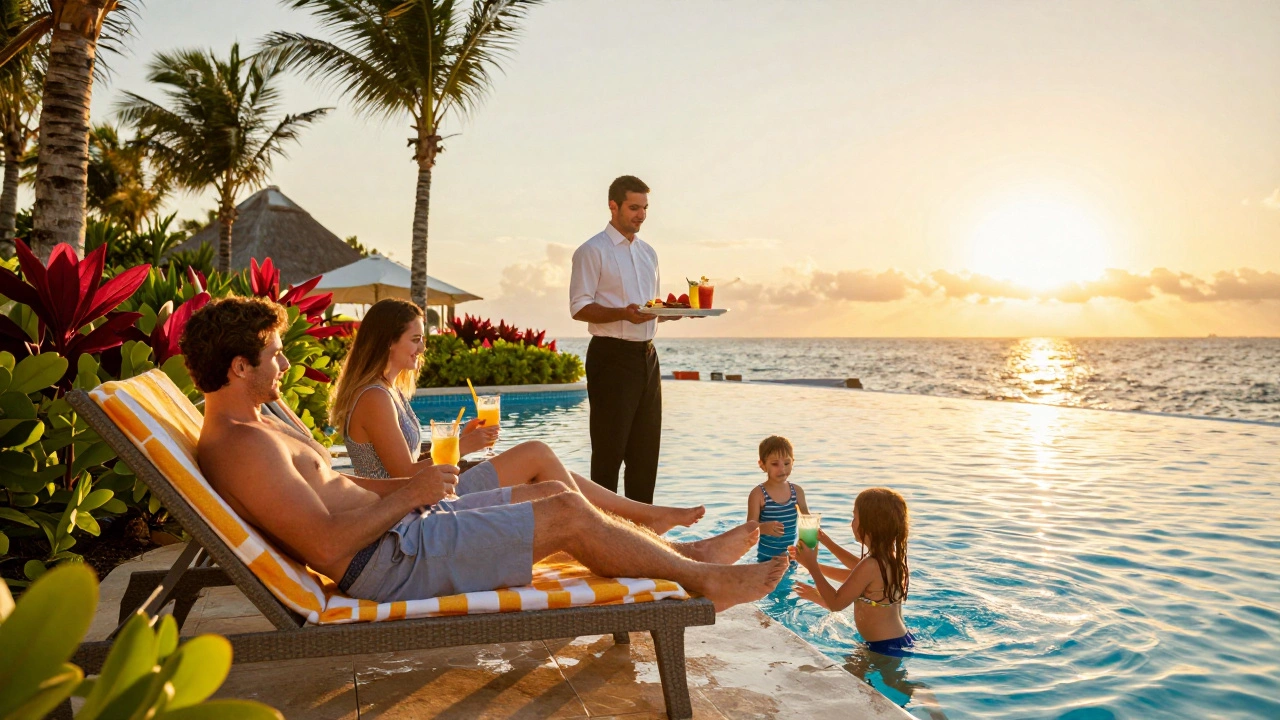
When you hear the word all-inclusive, you probably picture sun-drenched beaches, endless drinks, and meals served without checking a single bill. But how much does it actually cost to book one in 2026? The answer isn’t simple. An all-inclusive vacation can range from $150 a night to over $1,000 - and what you get for each price point is wildly different.
What Does ‘All-Inclusive’ Really Mean?
Not all all-inclusive packages are created equal. Some resorts only cover basic meals and soft drinks. Others include premium liquor, 24/7 room service, snorkeling gear, nightly entertainment, and even spa credits. The term is more of a spectrum than a standard.
Resorts in Mexico and the Caribbean tend to have the most consistent all-inclusive models. Brands like Sandals, Royal Caribbean, and Club Med have locked in what’s included: three meals a day, unlimited branded alcohol, non-motorized water sports, and nightly shows. But in places like Thailand or the Dominican Republic, you might pay less upfront - but end up paying extra for bottled water, Wi-Fi, or beach chairs.
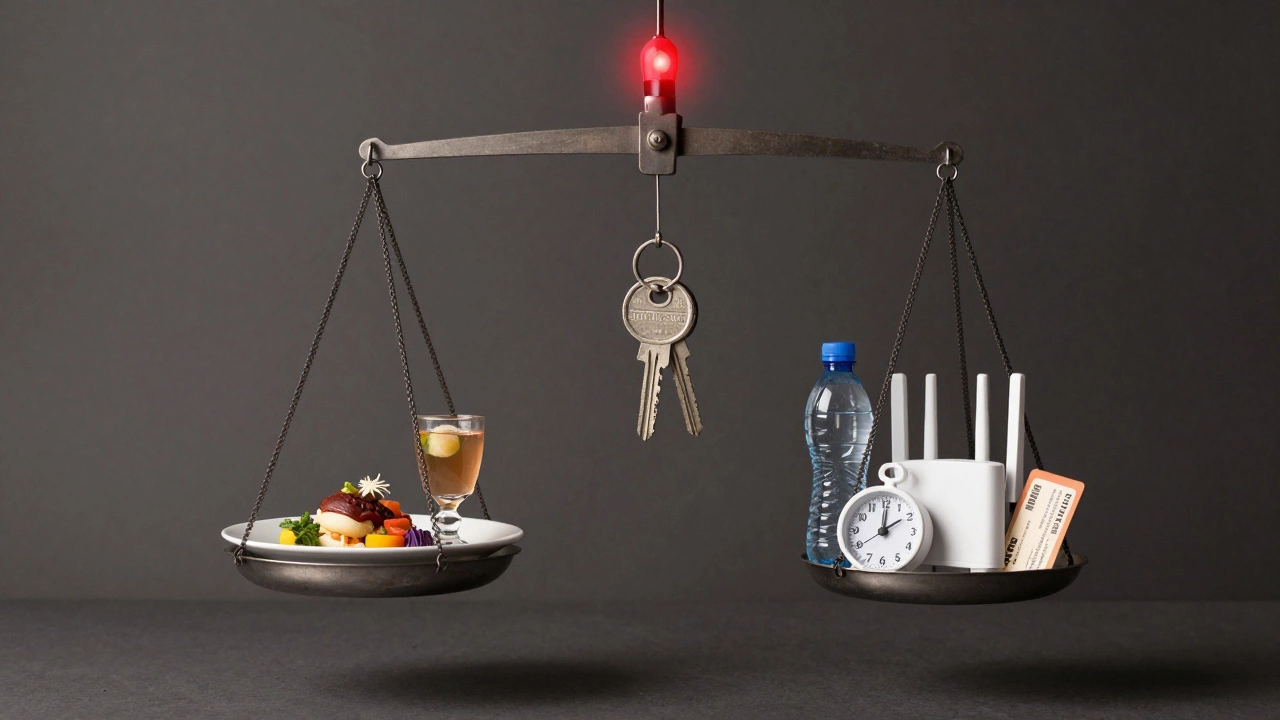
The key is reading the fine print. Look for what’s listed under ‘included’ versus ‘available for an extra fee.’ A resort that says ‘unlimited drinks’ might mean only local beer and house wine. Premium spirits? That’s often extra.
Average Costs by Region in 2026
Here’s what travelers are actually paying right now, based on data from over 12,000 bookings in early 2026:
| Region | Low-End (Budget) | Mid-Range (Standard) | High-End (Luxury) |
|---|---|---|---|
| Mexico (Cancún, Riviera Maya) | $160 | $320 | $750 |
| Caribbean (Jamaica, Barbados) | $180 | $380 | $900 |
| Dominican Republic | $130 | $270 | $600 |
| Thailand (Phuket, Koh Samui) | $110 | $240 | $520 |
| Canary Islands (Spain) | $140 | $300 | $680 |
These prices are based on double occupancy in high season (December-April). If you’re traveling in the shoulder season - say, late April or early November - you can often find deals 30-50% lower. But be careful: some resorts reduce staff or close pools during low season, which affects your experience.
What You Get at Each Price Point
At $130-$180/night, you’re getting a decent room, buffet-style meals, basic drinks (beer, house wine, soda), and access to the pool and beach. You might get snorkeling gear, but don’t expect a private cabana or nightly cocktails at the bar. This is the sweet spot for families or budget travelers who just want to relax without budgeting for every coffee.
At $250-$400/night, things start to feel premium. You’ll likely get à la carte restaurants, upgraded liquor (like tequila, gin, or rum), Wi-Fi, fitness classes, and maybe a daily spa credit. Some resorts here include airport transfers and non-motorized water sports like kayaking or paddleboarding. This is where most couples and small groups find the best balance.
At $600+, you’re entering luxury territory. Think butler service, private beach areas, gourmet dining with chef’s tasting menus, premium spirits, and included excursions like snorkeling trips or cooking classes. Some even offer private plunge pools and in-room espresso machines. You’re not just paying for food and drinks - you’re paying for exclusivity.

Hidden Costs You Can’t Ignore
Even at a luxury resort, there are sneaky charges that aren’t included:
- Gratuities - Some resorts include them. Others add a mandatory 15% service fee. Always check.
- Wi-Fi - Many budget resorts charge $10-$15/day for decent internet. Premium ones include it.
- Excursions - Snorkeling trips, zip-lining, or cultural tours are almost always extra.
- Specialty dining - Even at all-inclusive resorts, some restaurants (like sushi bars or steak houses) require reservations and sometimes a cover charge.
- Childcare - Kids’ clubs are often free, but babysitting services usually cost $15-$25/hour.
- Transportation - Airport shuttles? Sometimes included. Taxi rides? Almost never.
One traveler from Toronto booked a $220/night package in Jamaica - only to find out after arrival that bottled water cost $4 a bottle, and her favorite whiskey wasn’t on the menu. She ended up spending $200 extra in five days. Always ask: ‘What’s NOT included?’
When an All-Inclusive Is Worth It
All-inclusives make the most sense if:
- You’re traveling with kids - no need to stress about meal costs or snack runs.
- You plan to spend most of your time at the resort - not exploring the local area.
- You’re not a heavy drinker - if you’re sipping $12 cocktails all day, you’ll break even quickly.
- You’re booking during a promotion - many resorts offer free nights, kids stay free, or upgraded drinks.
On the flip side, if you love trying local food, hopping between towns, or sipping craft cocktails at neighborhood bars, an all-inclusive might feel like a prison. You’re paying to stay put - and that’s fine, if that’s your goal.
How to Save on an All-Inclusive
There are smart ways to cut costs without sacrificing quality:
- Book direct - Resort websites often have exclusive discounts not found on third-party sites.
- Travel off-season - May and September offer huge savings in the Caribbean. Avoid hurricane season (August-October) if you’re risk-averse.
- Choose a non-beachfront property - Resorts 10 minutes inland are often 30% cheaper and just as nice.
- Travel midweek - Check-in on a Tuesday instead of Friday. Rates drop noticeably.
- Use loyalty points - Many chains like Hyatt or Marriott let you redeem points for all-inclusive stays.
One couple from Chicago booked a $500/night all-inclusive in Cancún by using Marriott points and a promo code. They paid $0 out of pocket for the room - only $80 for taxes and fees. They got a private beach cabana, unlimited Aperol Spritzes, and a free couples massage. That’s the power of timing.
Final Takeaway
The average all-inclusive vacation in 2026 costs about $300-$380 per night for two people. But that’s just the middle of the road. You can find solid deals under $150 if you’re flexible - or spend over $1,000 if you want five-star luxury. What matters most isn’t the price tag. It’s whether the package matches your travel style.
Ask yourself: Do I want to relax in one place with everything handed to me? Or do I want to explore, eat local, and wander without a schedule? Answer that, and the right price becomes obvious.
Are all-inclusive resorts worth it for families?
Yes - especially if you have young kids. Most all-inclusive resorts include kids’ clubs, family pools, and meals that cater to children. You won’t need to worry about finding restaurants or paying extra for kid-friendly food. Many also offer free stays for children under 12. For parents, that means less stress and more relaxation.
Can you really save money with an all-inclusive?
It depends. If you’d otherwise spend $100 a day on meals, drinks, and snacks, then yes - an all-inclusive can save you hundreds. But if you’re planning to go out for local food every night or bring your own alcohol, you might not break even. The key is comparing what you’d spend outside the resort versus what’s included.
Do all-inclusive resorts have good food?
Some do, some don’t. Budget resorts often serve standard buffet fare - think pasta, fried chicken, and rice. Mid-range and luxury resorts feature multiple themed restaurants with chefs, fresh seafood, and international cuisine. Look for resorts that list their dining options online. If they have sushi, steak, or Italian kitchens, it’s a good sign.
Is it better to book through a travel agent or directly?
Book directly. Resort websites often have exclusive discounts, free upgrades, or added perks like spa credits or airport transfers. Travel agents can help with complex trips, but for straightforward all-inclusive bookings, you’ll usually get more value going straight to the source.
What’s the best time of year to book an all-inclusive?
For the Caribbean and Mexico, the best deals are in late April, May, September, and early November. These are shoulder months - good weather, fewer crowds, and lower prices. Avoid December through March if you want to save money. That’s peak season. For Southeast Asia, November to February is ideal.