How to Make Your Airbnb Eco-Friendly: A Practical Guide for Hosts
 Apr, 9 2026
Eco-Friendly Airbnb Savings Estimator
Check the upgrades you are considering to see the estimated monthly impact on your utility bills and planet footprint.
No upgrades selected. Start choosing items to see your impact!
Quick Wins for Sustainable Hosting
- Switch all bulbs to LEDs to cut electricity use by up to 80%.
- Install low-flow aerators on faucets and showerheads.
- Replace single-use plastic toiletry bottles with refillable dispensers.
- Provide a clear, simple recycling guide for guests.
- Swap synthetic towels for organic cotton or bamboo alternatives.
Upgrading Your Energy Game
Energy is where most Airbnb hosts leak money and carbon. The goal is to make the home efficient without making the guest feel like they're living in a cave. Start with the basics. Smart Thermostats is a device that allows hosts to remotely control temperatures or set automated schedules to prevent heating an empty house. By setting a"guest mode" that keeps the place cozy but doesn't blast the AC when no one is there, you reduce waste immediately.
If you're managing a cottage or a standalone home, look at your insulation. Adding weather stripping to old window frames or upgrading to double-pane glass can stop heat loss. In places like New Zealand or the UK, where dampness is a constant fight, a high-efficiency heat pump is a game-changer. It provides both heating and cooling while using significantly less energy than old electric radiators. Also, consider a Smart Plug is an electrical adapter that allows users to turn off devices remotely or set timers to eliminate phantom power draw. Using these on coffee machines or lamps ensures nothing is idling while you're away.
Water Conservation and Management
Water is often overlooked until the bill arrives. Most guests won't mind a slightly different shower pressure if the water is hot and the soap is great. Install low-flow showerheads and faucet aerators. These small attachments mix air into the water stream, maintaining the feel of high pressure while using 30% to 50% less water.
For those with outdoor space or gardens, Rainwater Harvesting is the process of collecting and storing rain for irrigation and non-potable uses. Installing a simple rain barrel to water your plants is a visible sign of eco-consciousness that guests love to see. If you're doing a full renovation, look into a greywater system. This redirects water from sinks and showers to the garden, cutting your fresh water demand drastically. It's a bigger investment, but it turns your property into a self-sustaining ecosystem.
| Upgrade | Effort | Impact | ROI Period |
|---|---|---|---|
| LED Lighting | Low | High | Immediate |
| Smart Thermostats | Medium | High | 6-12 Months |
| Low-Flow Fixtures | Low | Medium | Immediate |
| Heat Pump Installation | High | Very High | 2-4 Years |
Tackling the Plastic Problem
The easiest way to make a guest feel like your place is eco-friendly is to remove the plastic. Get rid of the mini shampoo bottles. They are a nightmare for landfills and a waste of money. Instead, install wall-mounted, refillable dispensers. Make sure to use biodegradable, sulfate-free soaps. When guests see a high-quality glass bottle with organic soap, they perceive it as a luxury upgrade, not a sacrifice.
Kitchens are the biggest plastic offenders. Replace plastic wrap with beeswax wraps and swap paper towels for cloth rags. Provide a filtered water pitcher or a Reverse Osmosis System is a water purification process that removes contaminants by pushing water through a semi-permeable membrane. This eliminates the need for guests to buy six-packs of plastic water bottles during their stay. If you have a coffee station, move away from plastic pods. A French press or a pour-over setup is more sustainable, looks more "cottage-core," and tastes better anyway.
Sustainable Sourcing and Decor
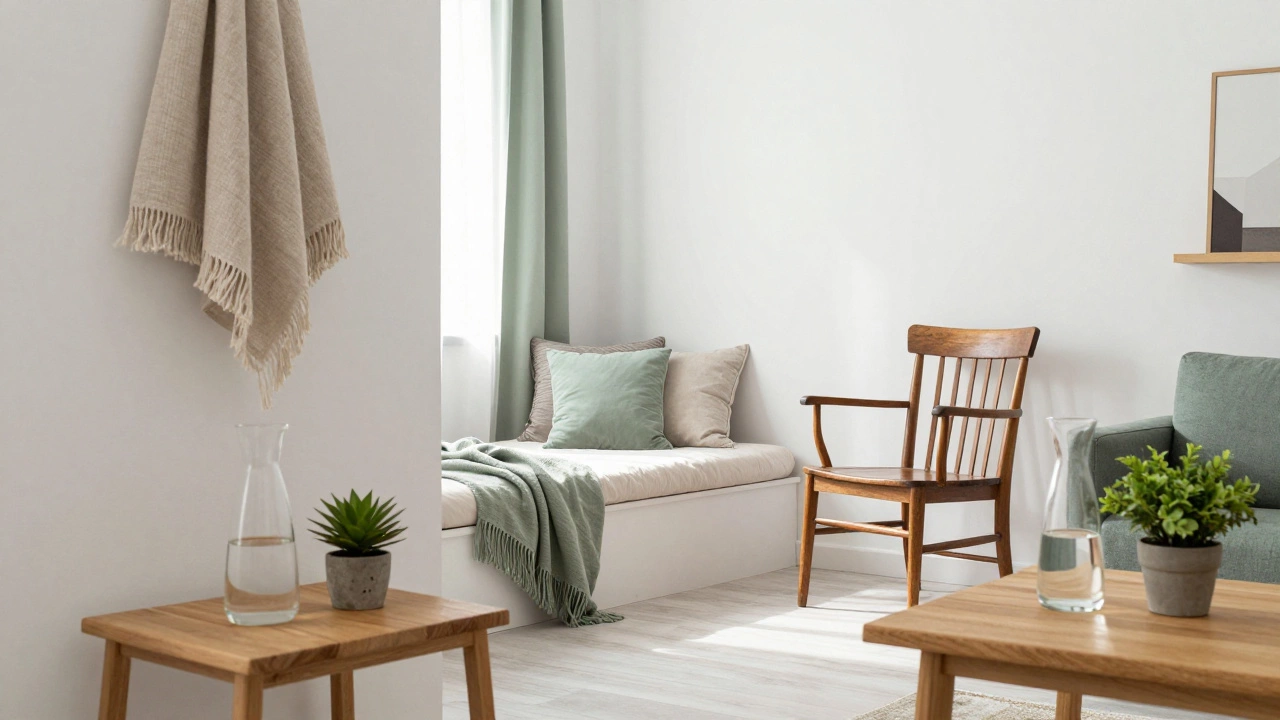
Your furniture tells a story. Instead of buying a matching set from a big-box store, source a few statement pieces from local antique shops. Using reclaimed wood for shelving or refurbished vintage chairs reduces the demand for new timber and keeps furniture out of landfills. This adds character to your eco-friendly Airbnb, making it feel like a curated home rather than a generic hotel room.
When it comes to linens, go for organic. Conventional cotton uses massive amounts of pesticides and water. Look for GOTS-certified organic cotton or Tencel, which is made from sustainably sourced wood pulp. These materials are often more breathable and durable, meaning they last longer before needing replacement. Pair these with non-toxic, low-VOC paints on your walls to ensure the air quality inside the cottage remains fresh and chemical-free.
Guiding Your Guests toward Green Habits
You can have the most efficient house in the world, but if a guest leaves the heater on 25°C with the windows open, it's all for nothing. The trick is to nudge them toward the right behavior without sounding like a lecturing parent. Create a "Green Guide" for your home. Instead of a list of rules, frame it as a way they can help preserve the local environment.
For example, instead of saying "Don't waste water," try "We're proud to be part of this beautiful landscape; please help us protect our local water sources by keeping showers under 10 minutes." Put a small sign near the light switches reminding them to flip the switch when they head out. When you make the guest feel like they are part of a positive mission, they are much more likely to comply. You can even leave a small basket of locally made, plastic-free treats as a "thank you" for being a conscious traveler.
Waste Management and Composting
Trash is the most visible part of the sustainability puzzle. If you have a yard, a Compost Bin is a container used to break down organic waste into nutrient-rich soil. Setting up a simple composting system allows guests to toss their coffee grounds and fruit peels into a bin rather than the trash. It reduces the amount of methane gas produced in landfills and gives you free fertilizer for your garden.
Make recycling intuitive. If the recycling bin is hidden in a dark cupboard, guests will just use the trash can. Place your bins side-by-side and use clear, pictorial labels. Indicate exactly what goes where: "Paper/Cardboard," "Plastics/Cans," and "Glass." If you're in an area with complex recycling rules, a simple one-page cheat sheet on the fridge solves the problem. When guests find it easy to do the right thing, they will do it.
Will eco-friendly upgrades actually increase my earnings?
Yes. There is a growing market of "conscious travelers" who specifically filter for sustainable stays. By listing your green features (like solar panels, composting, or organic linens) in your description, you can often justify a slightly higher nightly rate. More importantly, you'll see a direct decrease in monthly utility bills, which boosts your overall profit margin.
What is the most cost-effective way to start?
Start with "low-hanging fruit." Switch to LED bulbs and install low-flow aerators on your taps. These cost almost nothing but have an immediate impact on resource use. Then, move to refillable toiletries. These changes require very little capital but immediately change the guest's perception of your home's sustainability.
Do I have to get an official certification to call my Airbnb eco-friendly?
You don't need a formal certificate to be a sustainable host, but transparency is key. Instead of using vague terms like "green," be specific. Tell guests you use "GOTS-certified cotton towels" or "compostable waste systems." This builds trust and prevents accusations of greenwashing.
How do I handle guests who ignore the energy-saving rules?
The best approach is a mix of technology and communication. Use a smart thermostat to set maximum and minimum temperature limits so the heat can't be cranked to 30°C. If problems persist, a polite mention in your welcome message-explaining that your home is designed for sustainability-usually does the trick without creating friction.
Which sustainable materials are best for high-turnover rentals?
Durability is a form of sustainability. Bamboo is an excellent choice for flooring and furniture because it grows rapidly and is incredibly hard-wearing. For linens, organic cotton or hemp blends are great because they stand up to frequent high-temperature washing better than some synthetic blends.
Next Steps for Your Green Journey
If you've already tackled the basics, it's time to look at the bigger picture. Consider your property's energy source. If you have the roof space and budget, Solar Panels is photovoltaic cells that convert sunlight into electricity, providing a renewable energy source for the home. This is the ultimate step in reducing your carbon footprint and can eventually bring your electricity bill down to near zero.
You can also extend your eco-philosophy to the local community. Create a "Local Green Guide" for your guests. Recommend the nearest zero-waste grocery store, a farm-to-table restaurant, or a bike rental shop. By connecting your guests with other sustainable businesses in your area, you're not just making your house eco-friendly-you're supporting a whole green economy in your neighborhood.