Is All-Inclusive 6 Drinks a Day? The Truth About Hotel Drink Limits
 Jun, 7 2026
All-Inclusive Drink Cost Calculator
Estimate Your True Resort Drink Costs
Not all "unlimited" packages are created equal. Calculate what you might actually pay based on your preferences and the resort's policy.
Your Estimated Breakdown
Standard Package
Premium Package
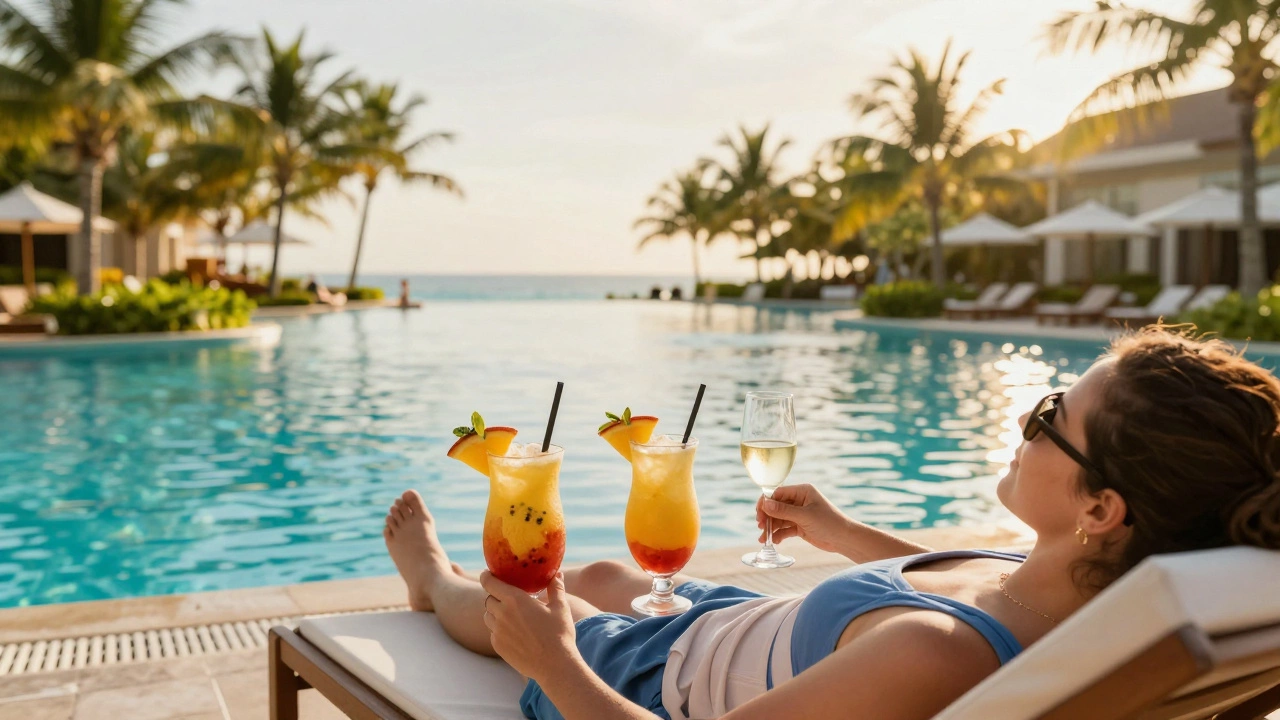
You book that dream vacation. You see the words "unlimited drinks" in bold letters. You imagine sipping piña coladas by the pool from sunrise to sunset without checking your bank account. But then you hear whispers from other travelers: "It’s only six drinks a day." Or maybe, "They charge extra after four." Suddenly, that carefree paradise feels like a minefield of hidden rules.
Here is the short answer: No, there is no universal rule that says all-inclusive hotels limit you to six drinks a day. In fact, most major all-inclusive resorts offer truly unlimited non-premium beverages. However, the reality is messier than the marketing brochures suggest. Some properties do impose caps, especially during peak seasons or for specific room categories. Others use "soft limits" where staff are instructed to slow down excessive consumption. Understanding these nuances before you pack your bags can save you from awkward confrontations at the bar and unexpected charges on your final bill.
The Myth of the Universal Limit
Where does this "six drinks a day" idea come from? It likely stems from a mix of confusion between different resort brands and isolated incidents at smaller boutique hotels. Major chains like Melia, a Spanish hospitality group known for its extensive all-inclusive portfolio across Europe and the Caribbean or Iberostar, a leading international hotel chain with a strong presence in beach destinations worldwide generally advertise "unlimited" service. This means you can order as many standard beers, house wines, and mixed drinks as you want, provided you are behaving reasonably.
However, not every property labeled "all-inclusive" operates under the same model. Smaller, independent eco-lodges or boutique resorts might have stricter policies due to limited inventory or local licensing laws. For example, some properties in Southeast Asia or Central America may cap alcoholic beverages to comply with local regulations or to manage supply costs. If you stay at a place that isn't part of a large global brand, always check the fine print. The term "all-inclusive" is not legally defined in the travel industry, which allows companies to interpret it however they wish.
What Counts as "Unlimited"?
Even when a resort promises unlimited drinks, the definition of "drink" matters immensely. Most all-inclusive packages cover:
- House Brands: Local beers, basic white and red wines, and standard spirits (vodka, rum, gin) used in simple cocktails.
- Non-Alcoholic Options: Soft drinks, juices, water, and coffee/tea throughout the day.
- Poolside Service: Drinks served directly to your lounger during operating hours.
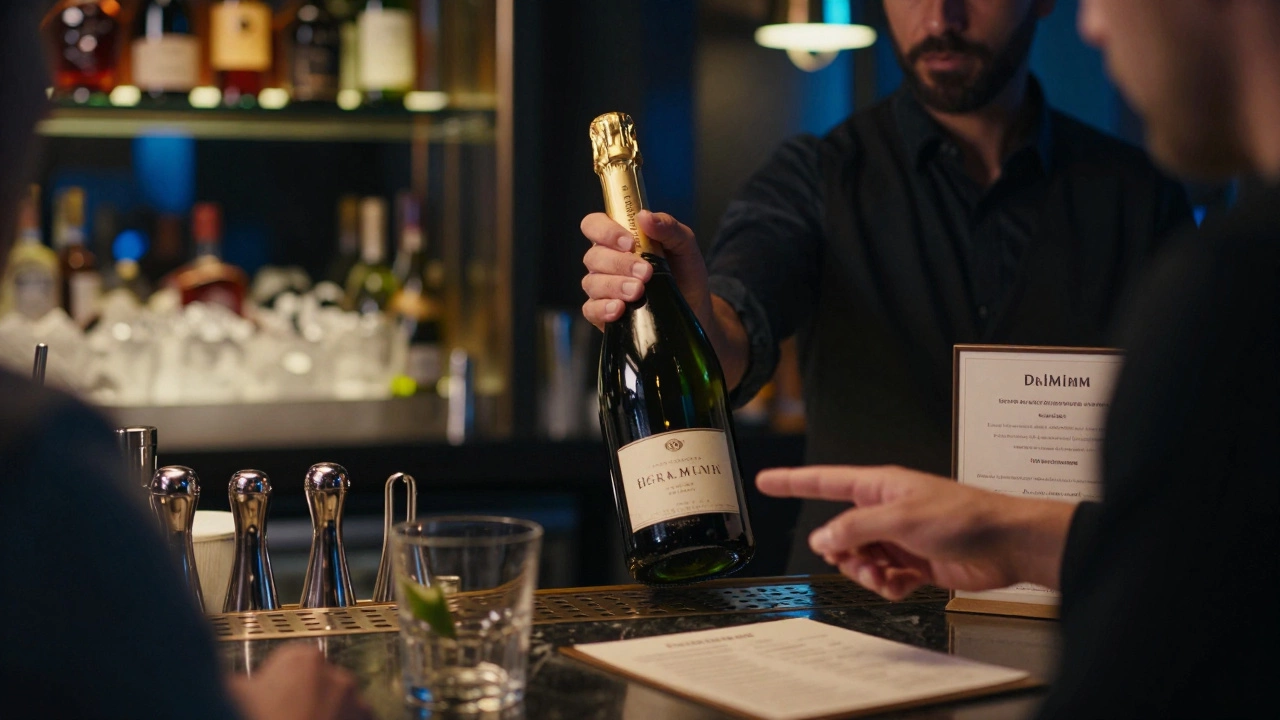
What usually falls outside this umbrella are premium brands. If you ask for a bottle of Grey Goose vodka, a glass of Moët & Chandon champagne, or a top-shelf whiskey, you will likely be charged extra. These are often listed on a separate menu with prices. Some high-end resorts, such as those in the Ritz-Carlton Reserve, an ultra-luxury collection of hotels offering exclusive amenities and personalized service category, may include better brands in their base price, but this is the exception, not the rule.
To avoid surprises, look for terms like "premium inclusive" or "luxury all-inclusive" in the booking description. Standard all-inclusive plans rarely include name-brand liquors. If brand names matter to you, budget an extra $50-$100 per day for upgrades, or choose a resort that explicitly lists included brands.
Soft Limits and Responsible Service Policies
While hard caps on drink quantities are rare at major resorts, "soft limits" are becoming more common. This is driven by two factors: liability concerns and sustainability goals. Resorts don’t want guests getting dangerously intoxicated, as this leads to accidents, disturbances, and potential legal issues. Additionally, over-serving alcohol increases waste and operational costs.
How does this work in practice? Bartenders are trained to recognize signs of intoxication. If you’ve had five or six drinks in a short period, they might start asking if you’re sure you want another one, or they might switch you to water or soft drinks without being asked. This isn’t written in the contract, but it’s part of the staff’s discretion. In extreme cases, a guest can be banned from the bar or even asked to leave the property if they become disruptive.
This approach is particularly prevalent in Europe, where countries like Spain and Greece have strict alcohol service laws. A resort in Mallorca might enforce stricter monitoring than one in Jamaica, simply because local regulations require it. Always respect the staff’s judgment. Pushing for more drinks when you’re clearly intoxicated won’t get you free alcohol; it will get you escorted back to your room.
Peak Season Restrictions
Timing plays a huge role in what you’ll experience. During peak holiday periods-Christmas, New Year’s, Easter, and summer breaks-resorts face immense pressure on resources. To manage demand, some properties introduce temporary restrictions. These might include:
- Reduced Hours: Bars closing earlier than usual.
- Limited Menu: Only certain drinks available.
- Queue Management: Longer wait times as bartenders prioritize speed over customization.
In rare instances, a few resorts have implemented actual daily caps during extreme overcrowding, though this is controversial and often reversed after public backlash. Before booking for a peak season, read recent reviews specifically mentioning "drink availability" or "bar service." Travelers’ firsthand accounts from the last month are far more reliable than the official website’s promotional material.
Hidden Costs Beyond the Bar Tab
Even if your drinks are truly unlimited, watch out for other charges that can creep into your bill. Common extras include:
| Item | Typical Cost | Notes |
|---|---|---|
| Premium Alcohol | $8-$20 per drink | Name-brand spirits, imported wines |
| Room Service | $5-$15 per delivery | Often excluded from all-inclusive plans |
| Spa Treatments | $50-$200+ per session | Rarely included unless specified |
| Excursions | $30-$150 per person | Off-site activities never included |
| Minibar Restocking | $2-$5 per item | Check if minibar is replenished daily |
Always ask at check-in: "What exactly is included?" Get specifics on dining reservations, specialty restaurants, and beverage brands. If the receptionist hesitates, take that as a sign to read the fine print later in your room.

How to Verify Your Resort’s Policy
Don’t guess. Do your homework. Here’s a quick checklist to ensure you know what you’re paying for:
- Read the Official FAQ: Most resort websites have a "What’s Included" section. Look for phrases like "unlimited beverages" vs. "complimentary drinks."
- Check Recent Reviews: Search TripAdvisor or Booking.com for keywords like "drink limit," "extra charge," or "bartender refused." Filter reviews by date to see current conditions.
- Contact the Resort Directly: Email them with specific questions: "Are premium brands included? Is there a daily limit on alcoholic beverages?" Save their response for reference.
- Look for Certifications: Some resorts are certified by organizations like Green Globe, an international certification program for sustainable tourism businesses, which often disclose transparent pricing and inclusion details.
If a resort won’t give you a clear answer, assume the worst. Better to be disappointed by a generous policy than shocked by a restrictive one.
Alternatives to Traditional All-Inclusive
If the uncertainty around drink limits stresses you out, consider alternative accommodation models. Eco-Friendly Cottages, private rental units designed with sustainable materials and practices often allow you to bring your own alcohol. While you lose the convenience of poolside service, you gain total control over your consumption and costs. Many modern cottages also offer kitchenettes, so you can cook meals and store drinks privately.
Another option is the "semi-all-inclusive" model, where breakfast and dinner are included, but lunch and drinks are à la carte. This gives you flexibility without the fear of hidden bars on your bill. Just calculate whether the savings on food outweigh the cost of buying drinks separately.
Do all-inclusive hotels really have a 6-drink limit?
No, there is no industry-wide rule limiting guests to six drinks a day. Most major all-inclusive resorts offer unlimited non-premium beverages. However, individual properties may impose soft limits based on responsible service policies or local laws. Always verify the specific resort's policy before booking.
What happens if I exceed the drink limit at my resort?
If a resort has a hard limit, you may be charged for additional drinks. If it’s a soft limit based on intoxication, staff may refuse service or switch you to non-alcoholic options. In severe cases of disruptive behavior, you could be asked to leave the property. Respectful interaction with staff is key.
Are premium brands included in all-inclusive packages?
Usually not. Standard all-inclusive plans cover house brands and local beverages. Premium spirits, imported wines, and top-shelf liquors typically incur extra charges. Look for "premium inclusive" or "luxury all-inclusive" labels if brand names are important to you.
Can I bring my own alcohol to an all-inclusive resort?
Most all-inclusive resorts prohibit bringing outside alcohol due to licensing agreements and revenue protection. However, some eco-friendly cottages or private villas may allow it. Check the property's specific policy before packing any bottles.
How can I find out if a resort has hidden drink fees?
Read recent traveler reviews focusing on "drink limits" or "extra charges." Contact the resort directly via email to ask about included brands and any quantity restrictions. Look for detailed "What's Included" sections on their official website rather than relying on third-party booking sites.