Is Everything Free in All-Inclusive Resorts? The Real Costs Hidden Behind the Package
 Jun, 21 2026
All-Inclusive Hidden Cost Calculator
Estimate your usage of premium services:
- Adjust inputs to see breakdown
You book an all-inclusive resort because you want peace of mind. You picture sipping cocktails on the beach without checking your wallet, eating three meals a day without worrying about tips, and sleeping soundly knowing there are no surprise charges at checkout. But here is the catch: the word "all" in all-inclusive is often a marketing promise rather than a literal guarantee. While these hotels cover the basics-food, drink, and lodging-they frequently exclude high-margin services that can quickly add up to hundreds of dollars.
Understanding what is truly included versus what requires extra payment is crucial for budgeting your trip correctly. If you assume everything is free, you might end up with a bill that shocks you. This guide breaks down exactly what you get for your upfront price and where the hidden costs usually hide.
The Core Promise: What Is Actually Included
At its heart, an All-Inclusive Resort is a hospitality model where accommodation, meals, beverages, and some activities are bundled into a single upfront price. When you pay this rate, you are buying convenience and predictability. The core components are almost always covered:
- Accommodation: Your room or suite for the duration of your stay.
- Meals: Breakfast, lunch, dinner, and often snacks at buffet-style restaurants or main dining halls.
- Beverages: Local alcoholic drinks (beer, wine, house spirits) and non-alcoholic options like soda, juice, and water from the tap or dispensers.
- Basic Activities: Non-motorized water sports like kayaking or snorkeling, fitness center access, and evening entertainment shows.
This bundle works well if you plan to stay within the resort grounds and stick to standard offerings. However, the moment you step outside these boundaries, the "inclusive" part starts to fade.
The Hidden Costs: Common Exclusions That Bite Back
Resorts make their profit margins on the exclusions. These are the items they expect you to buy separately because they are considered premium experiences. Here is where travelers often get caught off guard:
| Category | Typical Cost Range (USD) | Why It’s Extra |
|---|---|---|
| Airport Transfers | $50 - $150 round trip | Transportation logistics are separate from hotel operations. |
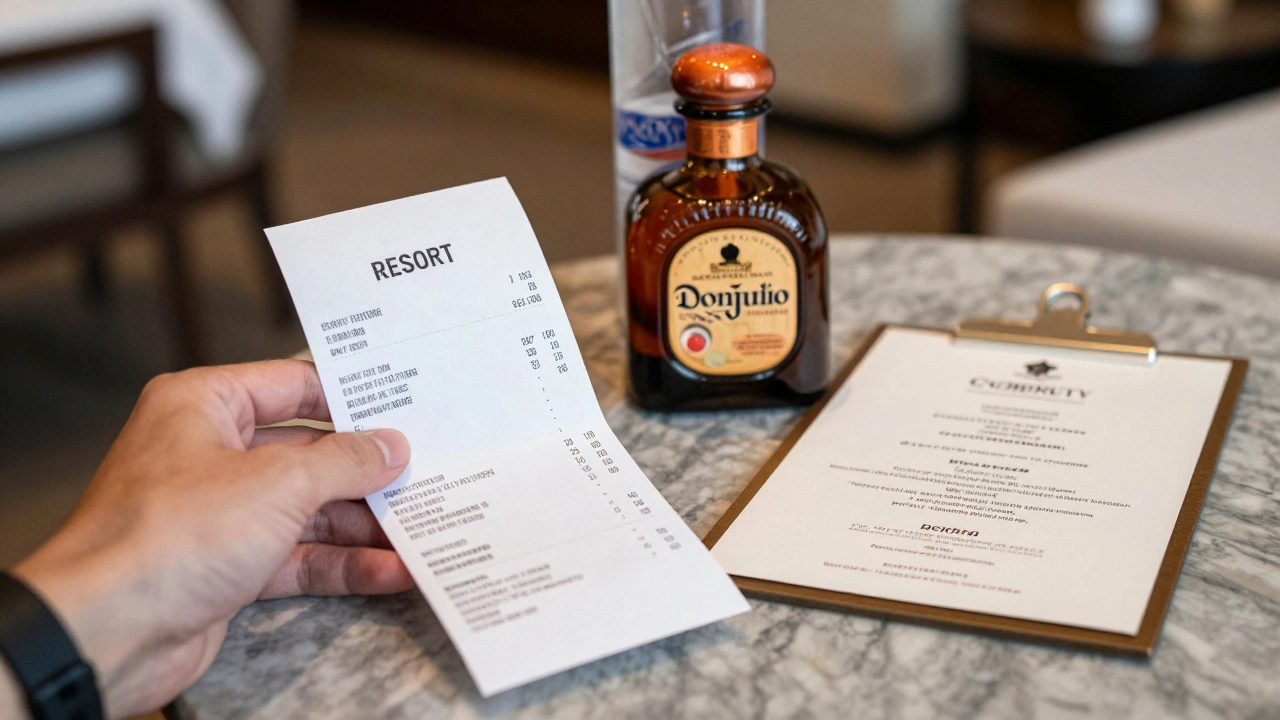
| Premium Alcohol | $15 - $30 per bottle | Top-shelf brands (e.g., Grey Goose, Don Julio) are not "house" brands. |
| Spa Services | $80 - $200 per treatment | High labor cost and specialized products; considered luxury. |
| Excursions & Tours | $50 - $300 per person | Third-party vendors handle these; resort takes a commission. |
| Specialty Dining | $20 - $50 per person | Fine dining restaurants require reservations and higher ingredient costs. |
| Wi-Fi | $10 - $25 per day | Some budget chains still charge for high-speed internet. |
For example, if you order a premium vodka cocktail instead of the house brand, you will likely be charged at the bar. Similarly, if you want to try the resort’s à la carte steakhouse, it might require a mandatory cover charge or reservation fee. Always check the fine print regarding "premium" labels.
Gratuities and Service Charges: The Silent Add-Ons
One of the biggest misconceptions is that tipping is unnecessary because it is "included." In many destinations, such as Mexico, the Caribbean, and Turkey, service charges are indeed added to your bill automatically. However, this does not mean staff members don’t appreciate additional tips for exceptional service.
If your butler cleans your room daily, your waiter remembers your drink order, or your concierge secures hard-to-get tickets, leaving a small cash tip ($5-$20) is customary and expected in many cultures. Not tipping can sometimes lead to reduced attention during your stay. Budget an extra $100-$200 in cash for gratuities if you value personalized service.

How to Avoid Surprise Bills: A Practical Checklist
To ensure your all-inclusive experience remains stress-free, take these steps before and during your trip:
- Read the Fine Print: Look for terms like "soft all-inclusive" vs. "hard all-inclusive." Soft plans may exclude alcohol or late-night snacks.
- Ask About Brands: At the bar, ask which liquors are included. If you want a specific brand, confirm if it incurs a charge before ordering.
- Check Wi-Fi Policies: Some resorts offer free slow Wi-Fi in lobbies but charge for high-speed access in rooms.
- Book Excursions Early: On-site tours are convenient but expensive. Booking through independent local operators can save you 30-50%.
- Clarify Spa Access: Daybeds by the pool or spa lounges often have hourly rental fees or minimum consumption requirements.
By being proactive, you turn potential surprises into planned expenses. This allows you to enjoy your vacation without constantly glancing at your credit card statement.
When Is All-Inclusive Worth It?
All-inclusive resorts shine when you prioritize relaxation over exploration. They are ideal for:
- Families: Kids’ clubs and unlimited food reduce parental stress.
- Honeymooners: Romantic settings and private dinners create seamless experiences.
- Budget Travelers: Knowing your total cost upfront helps avoid overspending on impulse buys.
However, if you love exploring local culture, eating authentic street food, or bargaining for souvenirs, an all-inclusive resort might feel isolating. In those cases, booking a hotel with breakfast only gives you more freedom and potentially lower overall costs.
Are airport transfers included in all-inclusive resorts?
Rarely. Most all-inclusive packages do not include airport shuttles unless explicitly stated. You should budget for private transfers or shared shuttle services, which can cost between $50 and $150 depending on distance and group size.
Do I need to bring cash to an all-inclusive resort?
Yes. While most expenses are covered, you will need cash for tips, souvenir shops, off-resort excursions, and premium services like spa treatments. Bring small denominations in the local currency for easier tipping.
What is the difference between soft and hard all-inclusive?
Soft all-inclusive typically includes meals and non-alcoholic drinks but excludes alcohol. Hard all-inclusive covers both food and alcoholic beverages. Always verify the package type before booking to avoid disappointment.
Are kids’ clubs really free?
Most major all-inclusive resorts include kids’ clubs in the base price. However, some premium activities within the club, like science experiments or special crafts, may incur extra fees. Check the schedule upon arrival.
Can I eat out locally while staying at an all-inclusive resort?
Absolutely. There is no rule forcing you to stay on property. Many guests choose to dine locally for authenticity. Just remember that any food or drink purchased off-site is not reimbursed by the resort.