Is Living in a Cottage a Good Idea? Pros, Cons, and Hidden Costs
 Mar, 26 2026
Cottage Living Cost Calculator
Enter your property details to compare cottage vs. city living costs and discover hidden expenses before you buy.
Property Details
Cost Breakdown
| Maintenance: | $0 |
| Heating Annual: | $0 |
| Water/Waste: | $0 |
| Insurance Premium: | $0 |
| Other Costs: | $0 |
|
TOTAL ANNUAL COSTS: $0 |
|
Factor in water hauling, septic pumping, and increased heating expenses.
Cost Comparison
What's Included
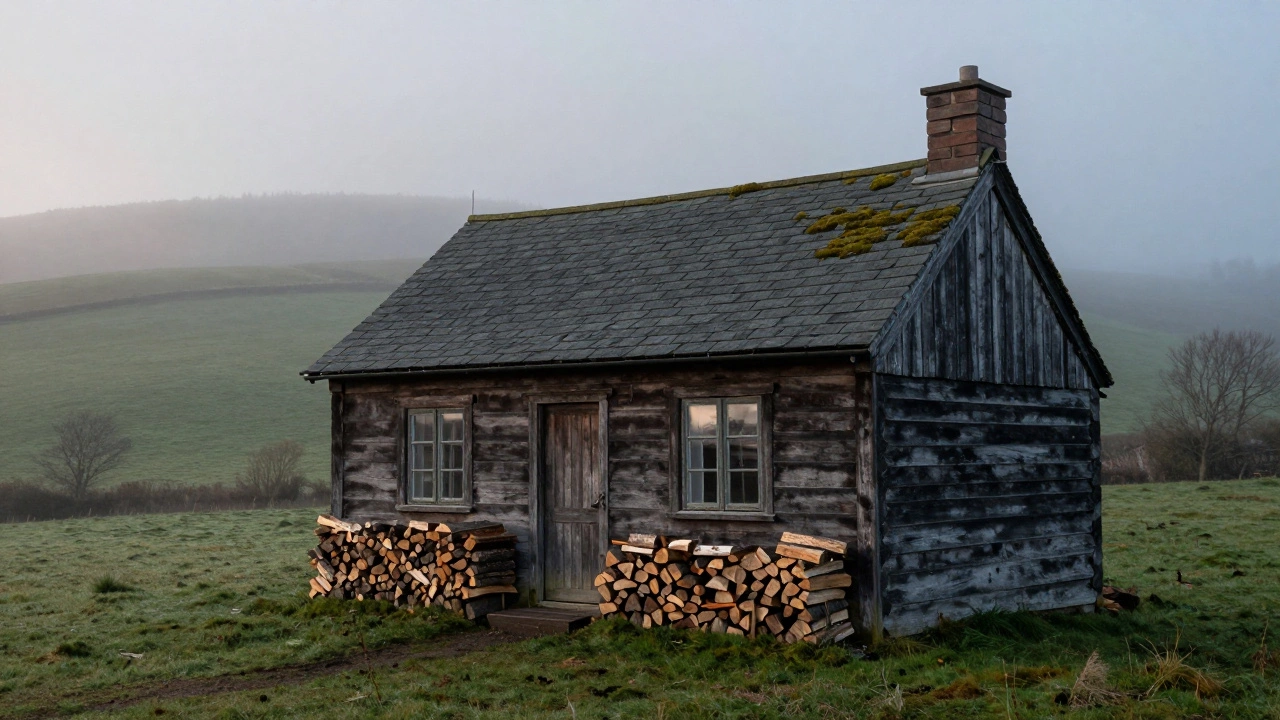
You probably picture crisp mornings, a wood-burning stove, and silence broken only by birdsong when you think about moving to a cottage. A cottage is a small house typically located in rural or semi-rural areas, often featuring traditional architecture. It’s a popular fantasy, especially here in New Zealand where space and scenery tempt us away from the city grind. But fantasy rarely accounts for the smell of damp wool in winter or the reality of hauling water up a hill.
The decision to move into a smaller, often older dwelling involves weighing significant trade-offs against financial stability and daily convenience. Many people focus on the purchase price without factoring in the ongoing operational costs of a standalone property. Is it truly a smart move for your wallet, or does it drain resources faster than you anticipate?
The Financial Reality Beyond Purchase Price
When you browse listings, the sticker price looks attractive compared to city apartments. However, a rural property Real estate located outside urban centers, typically involving larger land plots and lower density housing often comes with higher invisible bills. Older cottages frequently lack modern insulation standards. You might find yourself paying double on heating bills to maintain warmth during a Wellington gale because the single-glazed windows aren’t stopping the heat transfer.
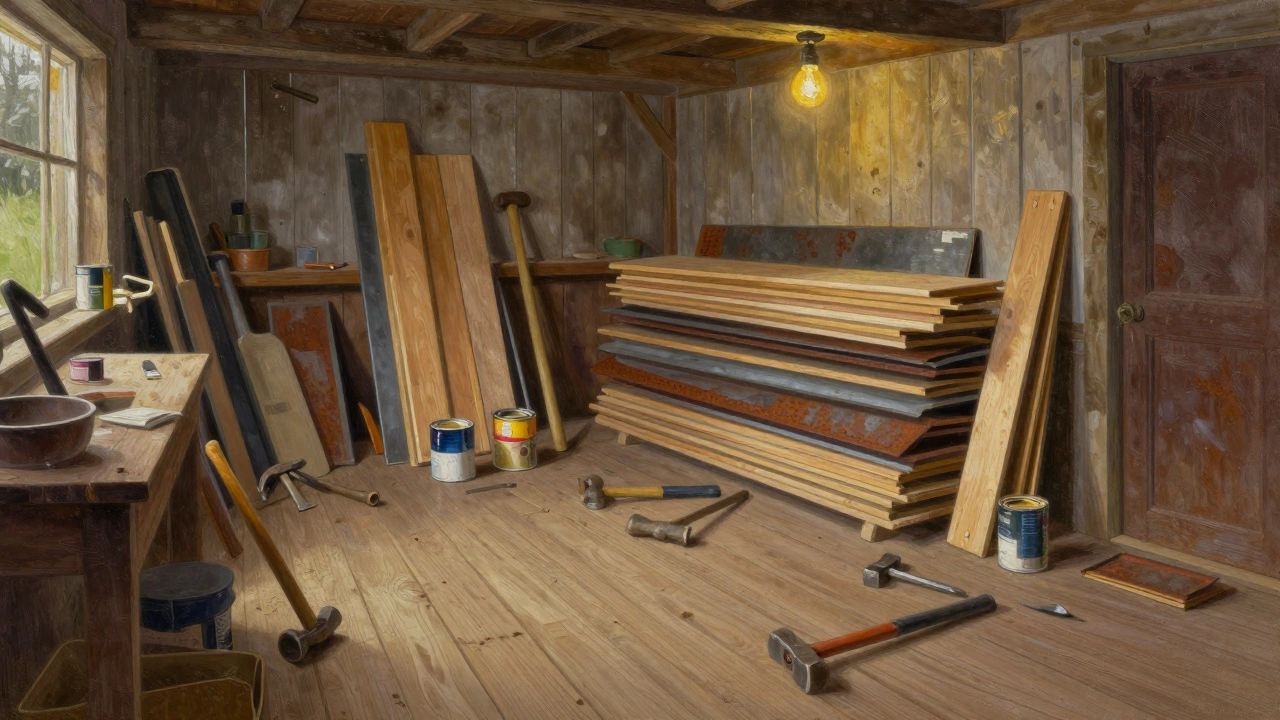
Consider maintenance schedules. A standard townhouse might need a paint job every ten years. A weathered timber cottage could need replacing battens, re-cladding, or fixing rusted iron roofs every three to five years. These aren’t emergencies you can ignore; ignoring them leads to structural rot. Budget for roughly 2% to 4% of the property value annually for unexpected repairs alone. That means if you bought a place for $800,000, you need to set aside between $16,000 and $32,000 each year purely for keeping the building standing.
| Expense Type | Urban Apartment | Rural Cottage |
|---|---|---|
| Annual Heating | $800 - $1,200 | $2,500 - $4,000 (Wood/Electric) |
| Maintenance Reserve | 1% of Value | 3% of Value |
| Water/Sewer | Included in Body Corporate | Self-Serviced (Tank Cleaning + Disposal) |
| Insurance Premium | Standard Rate | Higher Risk (Fire/Flood) |
Daily Chores and System Management
Living in a self-contained unit means managing utilities that cities hide in underground pipes. You cannot just flip a switch to get hot water unless you have Solar Power Energy derived from sunlight using photovoltaic panels to generate electricity. Even with a system, battery storage limits how much backup you have during cloudy months. If your pump fails in mid-winter, the water stops immediately. You spend time monitoring systems instead of relaxing.
Waste management is another layer. If you aren’t connected to municipal sewage, you rely on a Septic Tank An underground wastewater treatment system used in rural areas without centralized sewerage networks. This requires pumping out every few years, which costs money and smells terrible while the truck is working. Some owners opt for composting toilets, which turn human waste into fertilizer. While eco-friendly, they require daily turning of carbon material and consistent moisture levels. One mistake in the ratio creates odors that permeate the whole house.
Farming tasks blend into residential life. Even a small garden patch demands seasonal weeding, pest control, and harvest timing. If you have livestock, such as chickens for eggs, you face early morning routines regardless of the weather. The quiet lifestyle turns into a constant labor cycle. Your weekend isn’t for sleeping in; it’s for clearing drains and fixing fences.
Connectivity and Social Access
A major friction point for remote cottages is internet reliability. In many parts of the countryside, fiber optic lines stop miles away. You might depend on mobile signal towers or satellite dishes. Satellite Broadband High-speed internet connection typically provided via satellites in remote locations offers decent speeds now but carries latency issues. Trying to host a video conference while the wind shakes the dishes can ruin workdays. Latency affects gaming and streaming quality, which impacts household satisfaction significantly.
Isolation impacts mental health too. Being far from neighbors means fewer spontaneous social interactions. If you need groceries, you drive twenty minutes. If you get injured, emergency response times double compared to urban zones. Community cohesion happens slower in rural pockets. You lose the convenience of walking to the shops but gain a tighter-knit local group who know your business well.
Sustainability Versus Practicality
Eco-Friendly Housing Residential structures designed to minimize environmental impact through efficient resource use gets a lot of hype. True sustainability requires energy-efficient appliances, proper orientation, and renewable inputs. A cottage built in the 1920s usually lacks these traits unless renovated recently. Retrofitting old structures adds complexity. Adding insulation behind brick veneer involves demolition work that risks damaging historic features.
Rainwater harvesting is common here. Catchment tanks provide drinking water if filtered correctly. But filters clog with sediment, and pumps burn out. You need spare parts inventory ready for breakdowns. Buying a UV purifier filter cartridge might take days in stock shortages. Planning for water scarcity in drought years becomes necessary. You learn quickly that water security is not guaranteed by having a tank on your roof.
Regulatory Hurdles and Zoning
Before signing papers, check the resource consent status. Local councils have strict rules on what you can build or modify. Zoning Regulations Local government laws dictating permissible land uses, building heights, and setbacks dictate setbacks from boundaries and height restrictions. Sometimes you cannot install a large solar array because it blocks a neighbor’s view or violates heritage overlays. Always consult a surveyor before assuming the land is usable for your plans.
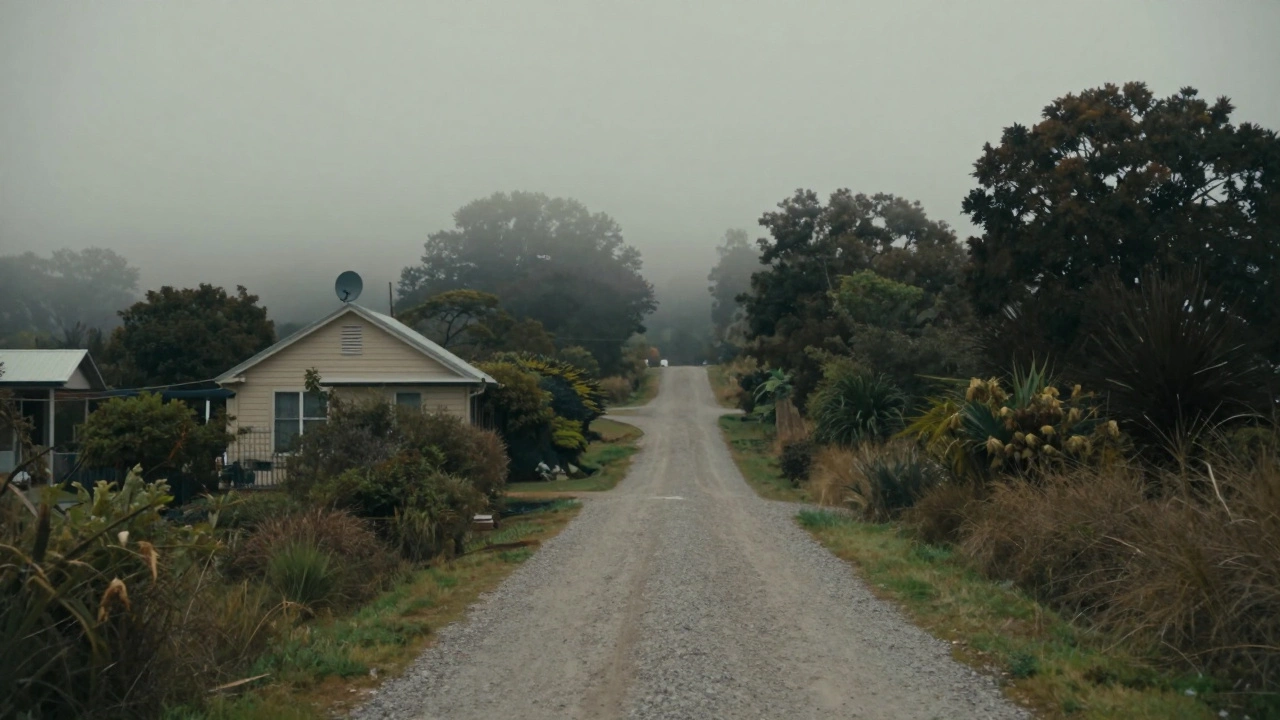
If you intend to run a business from the cottage, zoning permits commercial activity. Otherwise, you risk fines. Short-term holiday rentals (like Airbnb) have different tax liabilities and occupancy limits. Using a rural dwelling for short-term stays changes the character of the neighborhood. Neighbors often resent the influx of strangers parking on the gravel road. Understanding these constraints prevents legal battles later.
Long-Term Investment Potential
Rural land holds value differently than city assets. Location dictates resale potential. A cottage near a town with good schools sells fast. One deep in a bush block takes years to sell. You might tie up capital for longer than anticipated. While prices fluctuate with interest rates, the liquidity of rural property is lower. Finding a buyer who wants exactly that acreage takes patience.
However, inflation protects agricultural or lifestyle blocks better over decades. As city populations swell, demand for nearby rural living increases. The scarcity of titled land ensures value retention. But this assumes the infrastructure remains viable. If power lines fail or roads wash out, access costs rise, reducing the market appeal.
How much extra should I budget for living in a cottage?
Plan for 30% to 50% higher annual utility and maintenance costs compared to city living. Factor in water hauling, septic pumping, and increased heating expenses during colder months.
Is the internet reliable enough to work from a cottage?
It depends on the location. Fiber coverage is sparse in rural areas. You may need satellite internet, which works but has higher latency and monthly costs.
Can I easily renovate an old cottage?
Renovations can be restricted by council zoning rules or heritage status. Always get a pre-application assessment before planning structural changes or adding size.
What is the biggest challenge regarding water supply?
The main issue is maintenance of rain tanks and pumps. During droughts, stored water runs low, requiring trucked-in supplies which become expensive.
Are septic tanks worth the trouble?
They provide independence from city sewers but require professional emptying every few years. Regular testing prevents environmental contamination and system failure.