Harmful Insulation: What It Is and How to Avoid It
When you think of insulation, you probably picture warmth and comfort. But not all insulation is safe. Harmful insulation, materials used in homes that release toxic chemicals or fibers into the air over time. Also known as toxic insulation, it can quietly degrade your indoor air quality and harm your health—especially in small, sealed spaces like UK cottages. Many older homes still have insulation made from asbestos, formaldehyde-laden foam, or fiberglass that sheds particles. Even some newer products contain volatile organic compounds (VOCs) that off-gas for years after installation. You won’t smell it. You won’t see it. But your lungs might pay the price.
This isn’t just about old houses. Some modern insulation brands cut corners to save money, using binders and flame retardants linked to hormone disruption and respiratory issues. If you’re renovating a cottage or building new, you need to know what’s behind the walls. Indoor air quality, how clean and healthy the air inside your home is. Also known as interior air quality, it’s directly tied to the materials used in walls, floors, and ceilings. Poor insulation choices are one of the biggest hidden causes of stuffy, unhealthy air in cozy UK cottages. And if you’re planning an eco-friendly build, you can’t call it green if it’s poisoning the people inside. Eco-friendly insulation, natural or low-impact materials that provide thermal performance without toxic emissions. Also known as green insulation, it includes options like sheep’s wool, cellulose made from recycled paper, and cork—materials that trap heat without releasing harmful chemicals. These aren’t just niche products anymore. They’re affordable, widely available, and often better performers than traditional options.
What you’re looking at in the posts below isn’t a random collection. It’s a practical guide to building and choosing homes that are truly healthy. You’ll find real examples of what to avoid, what to choose instead, and how to spot dangerous materials before they become a problem. Whether you’re restoring a 1920s cottage or planning a new build, this isn’t about fear—it’s about making smart, informed choices. The right insulation doesn’t just keep you warm. It keeps you safe.
What Building Materials Are Not Eco-Friendly? Top Harmful Choices for Eco-Friendly Cottages
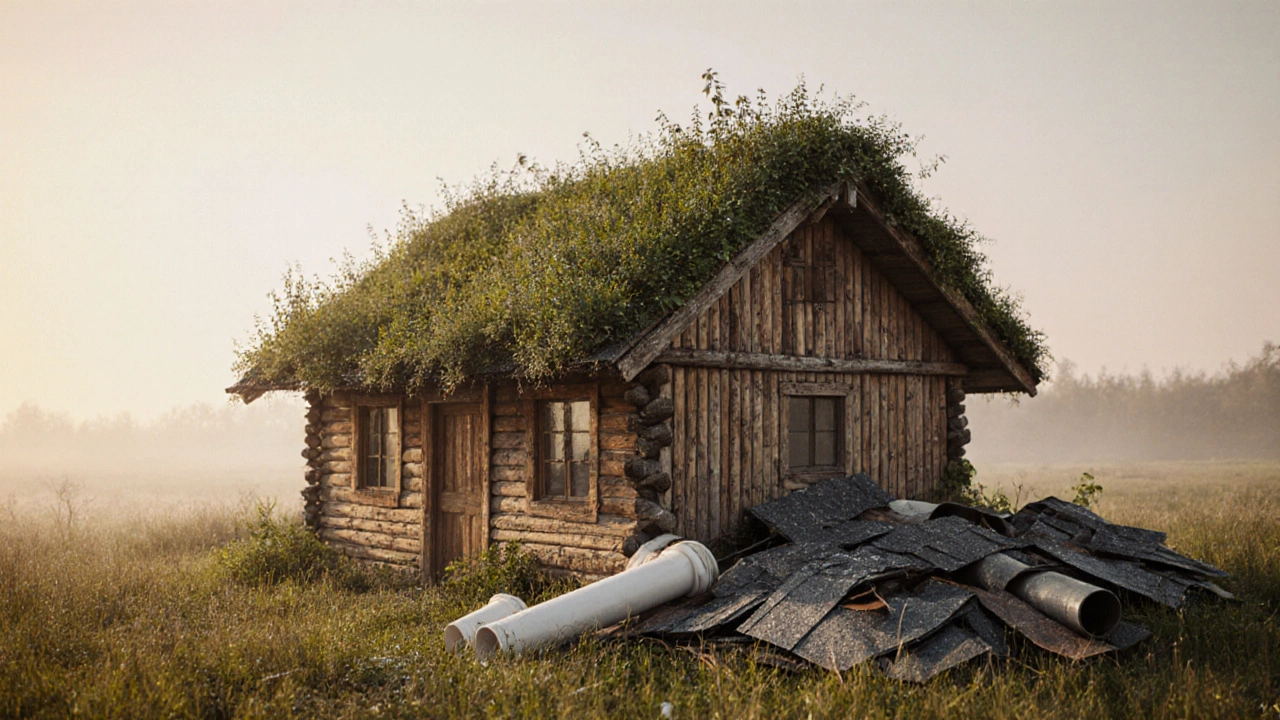
Discover the most harmful building materials to avoid when building an eco-friendly cottage - from PVC and spray foam to pressure-treated wood and conventional concrete. Learn safer, sustainable alternatives that protect your health and the planet.
- Nov, 8 2025
- 0 Comments