Sustainable Cottage Build: Eco-Friendly Design, Costs, and Real Tips
When you think about a sustainable cottage build, a home designed to use fewer resources, produce less waste, and live in harmony with its surroundings. Also known as green home construction, it’s not just about solar panels and recycled wood—it’s about building smarter from the ground up. People often assume eco-friendly means expensive, but that’s not always true. Many of the most successful sustainable cottages use simple, local materials like clay, straw, and reclaimed timber. They rely on passive solar heating, natural ventilation, and rainwater harvesting—tools that have been used for centuries and are now being revived with modern efficiency.
A green building, a construction approach focused on reducing environmental impact through energy efficiency, waste reduction, and healthy materials. Also known as eco-friendly construction, it’s not just a trend—it’s a practical response to rising energy costs and climate uncertainty. What makes a cottage truly sustainable isn’t one big upgrade, but a chain of smart choices: insulation that keeps heat in during winter and out in summer, windows placed to catch the sun’s path, and roofs designed to collect and filter rainwater. You don’t need a billionaire’s budget to do this. In fact, some of the most affordable green homes are built by people who skipped fancy finishes and focused on function—like using rammed earth walls instead of concrete, or installing a composting toilet that cuts water use by 90%.
Then there’s the off-grid cottage, a self-sufficient home that operates without relying on public utilities like electricity, water, or sewage systems. Also known as independent living cabin, it’s where sustainability meets real independence. These cottages often run on solar panels and wood stoves, collect rainwater, and treat greywater on-site. They’re not for everyone, but they’re growing in popularity—especially among people who want to escape the grid and live with less waste. And here’s the thing: you don’t have to go fully off-grid to get the benefits. Even adding one or two off-grid features—like a rain barrel or a heat pump—can cut your bills and your carbon footprint.
What you’ll find in the posts below are real stories, real numbers, and real choices. From how much a sustainable cottage build actually costs to which U.S. states offer the best incentives for green building, we’ve pulled together the facts that matter. You’ll see how Jeff Bezos’s $500 million eco-compound compares to a $40,000 DIY off-grid cabin. You’ll learn why Vermont leads in green living, and how to build an affordable eco-friendly house without going broke. There’s no fluff here—just clear, practical advice from people who’ve done it, failed at it, and figured it out. Whether you’re dreaming of a tiny cottage in the woods or just want to make your next renovation greener, you’ll find something that fits your life, your budget, and your goals.
What Building Materials Are Not Eco-Friendly? Top Harmful Choices for Eco-Friendly Cottages
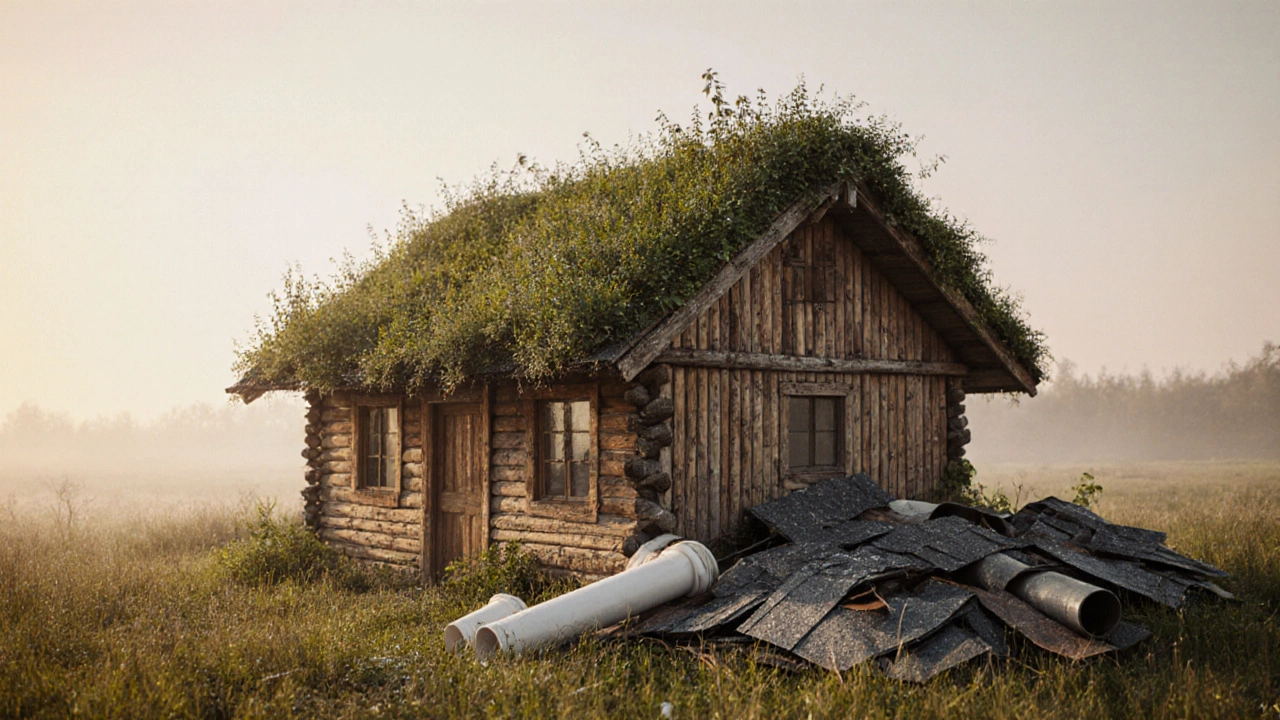
Discover the most harmful building materials to avoid when building an eco-friendly cottage - from PVC and spray foam to pressure-treated wood and conventional concrete. Learn safer, sustainable alternatives that protect your health and the planet.
- Nov, 8 2025
- 0 Comments