Toxic Building Materials: What They Are and How to Avoid Them
When you think of a cozy cottage, you picture wooden beams, stone chimneys, and fresh air—but what if the very materials holding it together are slowly poisoning you? Toxic building materials, common construction substances that release harmful chemicals over time. Also known as volatile organic compound (VOC) emitters, these include things like formaldehyde-laden plywood, asbestos insulation, and lead-based paints. They don’t scream danger—they hide in plain sight, tucked behind drywall or under flooring. You won’t smell them. You won’t see them. But your lungs and liver might start noticing.
These materials show up in places you’d never expect. The insulation in your attic? Could be fiberglass with chemical binders linked to respiratory issues. The laminate countertops? Might be glued with formaldehyde. Even some "green" wood finishes contain solvents that off-gas for months. And if you’re thinking of building or renovating a cottage, you’re probably not alone in wanting something healthy and natural—but the market is full of misleading labels. Green building, a movement focused on reducing environmental impact through smarter materials and design. Also known as sustainable construction, it’s not just about solar panels and rainwater tanks—it’s about what’s inside the walls. True sustainability means no hidden toxins. That’s why so many posts here talk about eco-friendly houses, homes built with non-toxic, renewable, and low-impact materials. Also known as healthy homes, they’re designed from the ground up to protect people, not just the planet.
It’s not about being perfect. It’s about being aware. You don’t need to strip every wall in your 1970s cottage. But if you’re replacing insulation, picking paint, or installing new flooring, you have choices. Look for certifications like GreenGuard or Cradle to Cradle. Ask for Material Safety Data Sheets (MSDS). Choose solid wood over engineered products. Use clay or lime plaster instead of drywall mud. These aren’t luxury upgrades—they’re basic safety moves. And if you’re dreaming of an off-grid cottage, a self-sufficient home that runs independently from public utilities. Also known as remote retreat, it’s the ultimate escape—but only if the air inside is clean. You can’t call a cabin off-grid if the air you breathe is full of chemicals.
Some of the posts below show how billionaires build eco-friendly compounds with cutting-edge tech—but the real win isn’t in price tags. It’s in knowing what’s in your walls. You don’t need to spend $500 million to live safely. You just need to know what to avoid. Whether you’re fixing up a cottage in the Lake District or planning a new build in the Welsh hills, this collection gives you the straight facts: which materials to skip, which ones to trust, and how to spot greenwashing before it costs you your health.
What Building Materials Are Not Eco-Friendly? Top Harmful Choices for Eco-Friendly Cottages
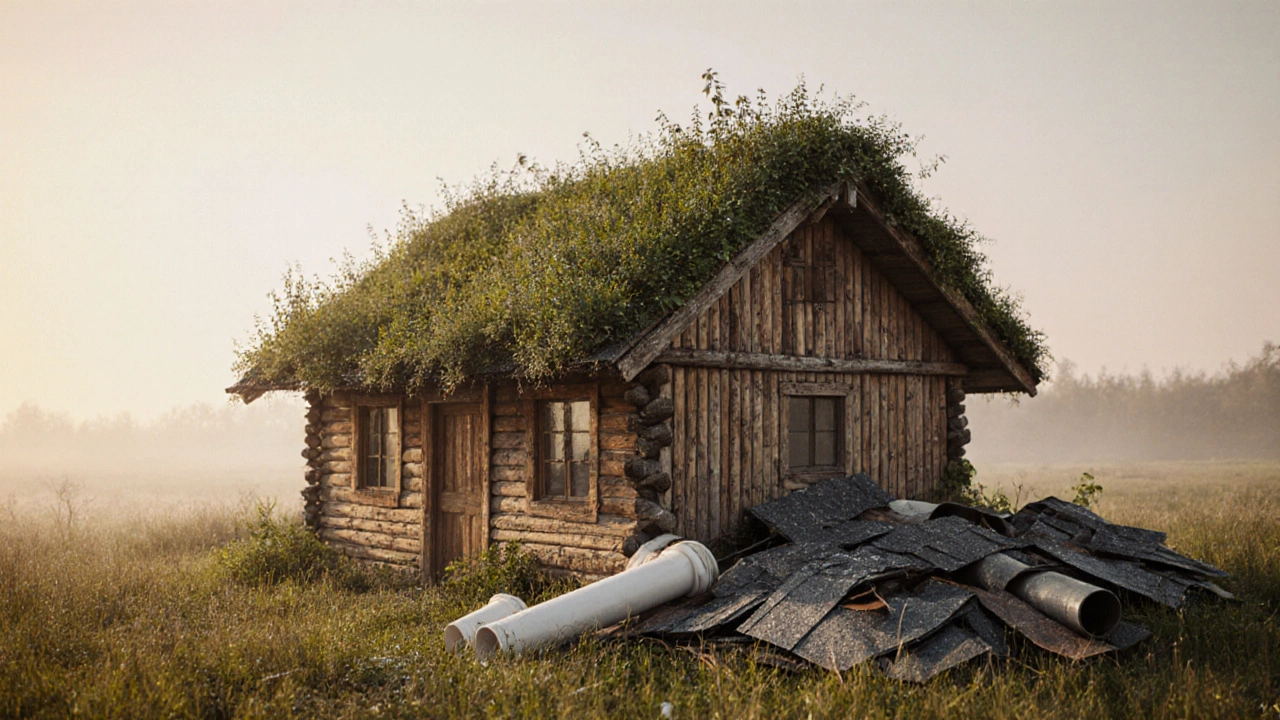
Discover the most harmful building materials to avoid when building an eco-friendly cottage - from PVC and spray foam to pressure-treated wood and conventional concrete. Learn safer, sustainable alternatives that protect your health and the planet.
- Nov, 8 2025
- 0 Comments