What Are Self-Catered Residences? A Simple Guide to Independent Stays
 Jan, 25 2026
Self-Catered Stay Budget Calculator
Self-catered stays can save you 50-70% on food costs compared to hotels. This calculator shows how much you could save based on your travel plans.
Total Hotel Cost
Total Self-Catered Cost
Potential Savings
Savings percentage:
Based on your inputs, you could save over your stay. This assumes no hidden fees in your self-catered option.
Travel Tip
"Shop local markets for groceries - you'll often find fresh, affordable produce and build connections with the community. Many self-catered residences are located near great markets!"
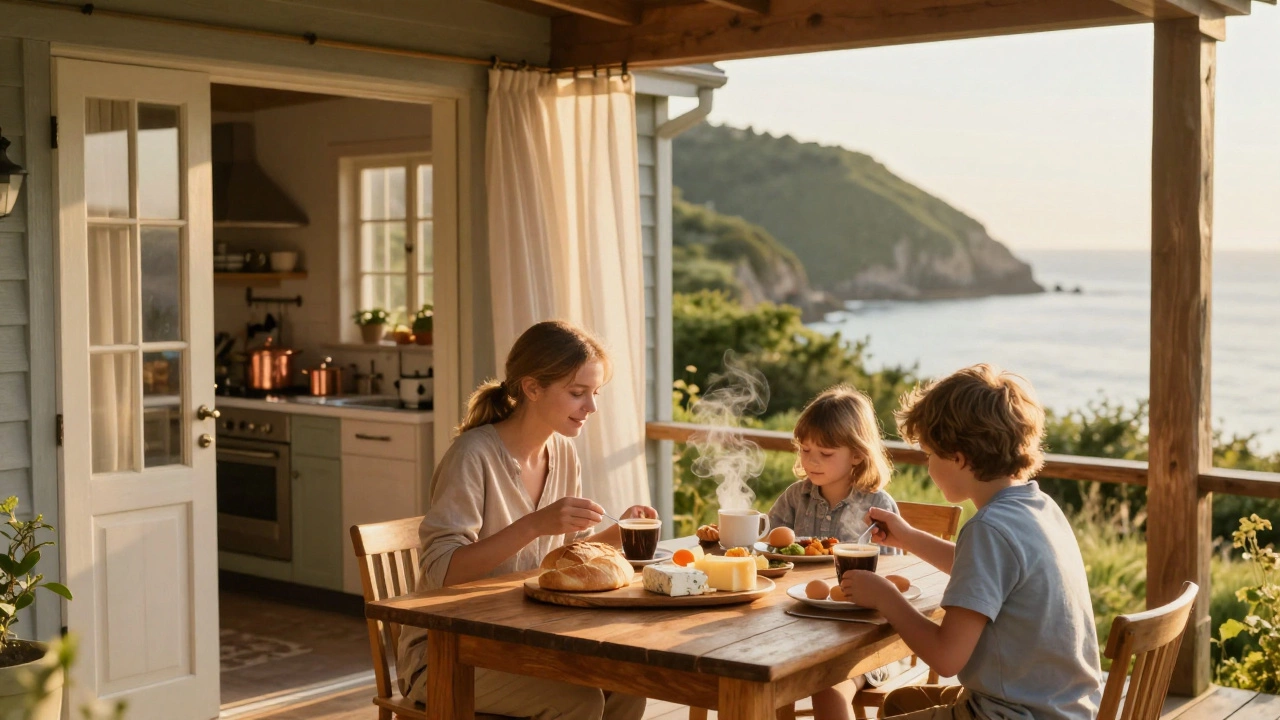
Imagine arriving at your holiday spot with no front desk, no room service, and no breakfast buffet. Instead, you walk into a cozy cottage, open the fridge, and find milk, eggs, and local cheese waiting for you. You grab a pan, make your own eggs, and eat on the porch while the sun rises. That’s what self-catered residences offer - freedom, control, and a real feel for the place you’re visiting.
What Exactly Is a Self-Catered Residence?
A self-catered residence is a type of accommodation where you cook and eat your own meals. Unlike hotels that serve breakfast or offer dining rooms, these places come with a full kitchen, dining area, and sometimes even laundry facilities. You’re not just renting a room - you’re renting a home for your stay.
These can be cottages, apartments, cabins, villas, or even converted barns. The key feature? A kitchen equipped with essentials: stove, fridge, sink, utensils, and usually basic pantry items like salt, oil, or coffee. Some even include dishwashers, microwaves, or outdoor grills. You bring your food. You cook it. You clean up. And you live like a local.
It’s not just about saving money - though that’s a big part of it. It’s about having the flexibility to eat when you want, what you want, and how you want. No rush to get to the dining room at 7 a.m. No paying $18 for a slice of toast. No being stuck with hotel food you don’t like.
How Is It Different from Regular Hotels or Vacation Rentals?
Not all vacation rentals are self-catered. Some Airbnb listings, for example, might have a mini-fridge and a coffee maker but no stove. That’s not self-catering - that’s a basic rental. True self-catered residences give you the tools to cook full meals.
Compared to hotels, the biggest difference is independence. Hotels manage your meals, your cleaning, your check-in. Self-catered places hand that control to you. You decide when to clean the kitchen. You decide if you want to eat pasta at 10 p.m. or picnic by the lake at noon.
Think of it this way: a hotel is like a hotel. A self-catered residence is like borrowing a friend’s house for a week - you make it yours.
Who Benefits Most from Self-Catered Stays?
Not everyone needs a kitchen on vacation. But these stays shine for certain travelers:
- Families with kids - No more fighting over restaurant menus or paying extra for kids’ meals. Bring snacks, make pancakes, and eat on the floor if you want.
- Long-term travelers - Staying a week or more in a hotel gets expensive fast. A self-catered place cuts food costs by 60% or more.
- People with dietary needs - Gluten-free? Vegan? Allergic to dairy? You control every ingredient. No more asking if the sauce has butter.
- Budget travelers - You can buy groceries at a local market and eat like a local for a fraction of restaurant prices.
- Groups or friends - Cooking together builds memories. Think pizza night on the deck or breakfast burritos before a hike.
In New Zealand, where I live, self-catered cottages are especially popular along the South Island’s coastal roads. Travelers rent them for multi-day road trips because they can stop, rest, and cook after long drives - no need to hunt for a restaurant in a tiny town with three options.

What’s Usually Included in the Kitchen?
Don’t assume every kitchen is the same. Some are basic. Some are fancy. Here’s what you’ll typically find:
- Stove and oven (gas or electric)
- Refrigerator and freezer
- Sink with running water
- Cookware: pots, pans, baking trays
- Utensils: spatulas, ladles, knives, cutting boards
- Dishes and cutlery for the number of guests
- Coffee maker or kettle
- Basic spices: salt, pepper, oil
Some places add extras: dishwashers, microwaves, toasters, blenders, or even wine openers. Others don’t. Always check the listing. If you’re planning to bake bread or make a big roast, look for a full-size oven and a decent-sized fridge.
One thing you’ll almost never get: dish soap or paper towels. You’re expected to bring your own cleaning supplies. It’s part of the deal - you treat it like your own home.
Where Can You Find Self-Catered Residences?
You’ll find them everywhere - from mountain cabins in Colorado to seaside apartments in Portugal. But they’re especially common in:
- Rural and coastal areas - Places where hotels are scarce but homes are plentiful.
- Europe - Countries like France, Italy, and Ireland have decades of tradition with self-catering gîtes, agriturismi, and holiday lets.
- New Zealand and Australia - Campervans get attention, but cottages with kitchens are just as popular for families and slow travelers.
- North America - Especially in national park areas, ski towns, and lake regions.
Search terms like “self-catering cottage,” “holiday apartment with kitchen,” or “vacation rental with full kitchen” will pull up the best results. Avoid listings that say “kitchenette” unless you’re okay with a mini-fridge and a two-burner hotplate.

What to Watch Out For
Self-catered stays are great - but they’re not magic. Here are common pitfalls:
- Hidden fees - Some places charge extra for cleaning, linens, or even using the kitchen. Read the fine print.
- Broken appliances - A fridge that doesn’t cool or a stove that won’t light can ruin your trip. Check recent reviews for complaints.
- Location traps - A beautiful cottage might be 5 km from the nearest supermarket. Plan your grocery run before you arrive.
- Washing machine myths - Just because it says “laundry” doesn’t mean it works. Confirm it’s functional.
- Too many rules - Some owners ban cooking strong smells, using certain pans, or even opening windows. Know the boundaries.
Always message the host before booking. Ask: “Is the fridge cold enough for milk?” or “Do you provide dish soap?” Simple questions save big headaches.
How to Make the Most of Your Stay
Here’s how to turn a self-catered stay from good to unforgettable:
- Shop local - Hit the farmers’ market or bakery. Buy fresh bread, cheese, or fruit. It’s cheaper and way more fun than a supermarket.
- Plan one big meal - Cook a local specialty. In Italy, make pasta. In New Zealand, try kūmara (sweet potato) roast. Make it part of the experience.
- Bring your favorites - If you need a specific spice, tea, or sauce, pack it. Don’t assume it’ll be there.
- Keep it simple - You’re on vacation. Don’t plan a five-course dinner every night. Sandwiches, salads, and grilled veggies are fine.
- Leave it clean - Wash your dishes. Take out the trash. Leave the kitchen better than you found it. Hosts notice. And they’ll remember you for next time.
The best part? You’ll come home not just rested - but with stories. The time you made pancakes with your kids at sunrise. The night you ate grilled fish under the stars. The local baker who gave you extra bread because you smiled.
Why Self-Catered Stays Are Growing in Popularity
In 2025, travelers are choosing experiences over luxury. They want to live like locals, not just stay like tourists. Self-catered residences fit that perfectly.
They’re also more sustainable. No daily housekeeping means less water and energy use. No food waste from uneaten hotel breakfasts. You buy only what you need. You reuse containers. You pack leftovers.
And after years of pandemic travel, people value space and control. No shared hallways. No noisy neighbors. Just your group, your kitchen, your rhythm.
It’s not about being cheap. It’s about being intentional. About choosing a slower, deeper way to travel.
Are self-catered residences cheaper than hotels?
Yes, usually - especially for longer stays or families. You save on meals, which can be 50-70% of your hotel bill. A hotel might charge $150 a night, but with a self-catered cottage, you might spend $120 on rent and $30 on groceries. That’s $150 total - but you get a kitchen, more space, and control over your food.
Do self-catered residences have Wi-Fi?
Most do - especially in popular tourist areas. But don’t assume. Some rural cottages have weak signals or none at all. Always check the listing or ask the host before booking if internet is important to you.
Can I bring my pet to a self-catered residence?
Some allow pets, many don’t. Pet-friendly listings usually say so clearly. If it’s not mentioned, ask. Some hosts charge a pet fee. Others require proof of vaccinations. Never show up with a pet unless it’s confirmed - you could be turned away.
Do I need to bring my own towels and linens?
Usually not. Most self-catered places provide towels, sheets, and pillowcases. But some budget rentals don’t. Always check the listing’s amenities section. If it’s unclear, message the host. Better safe than scrubbing your clothes in the sink.
Is self-catering better for families?
Almost always. Kids can eat when they’re hungry, not when the restaurant is open. You can make their favorite snacks. You have space to play indoors. You can nap without disturbing others. And you avoid the stress of finding kid-friendly menus. For families, self-catered stays reduce friction - and increase joy.