What Are the Biggest Drawbacks of Living in a Tiny House?
 Jan, 18 2026
Tiny House Compatibility Calculator
Assess Your Tiny House Fit
Answer these questions to see how well tiny house living matches your lifestyle.
What to Expect
Your Compatibility Score
Potential Challenges
Recommendation:
People talk about tiny houses like they’re the ultimate solution to clutter, debt, and environmental guilt. And sure, there’s something appealing about owning less, paying less, and living closer to the land. But if you’re thinking about trading your 1,200-square-foot home for a 200-square-foot one, you need to know what you’re really signing up for. The reality? Tiny houses aren’t just small. They’re restrictive. And those restrictions show up in ways most Instagram posts never mention.
You lose privacy - fast
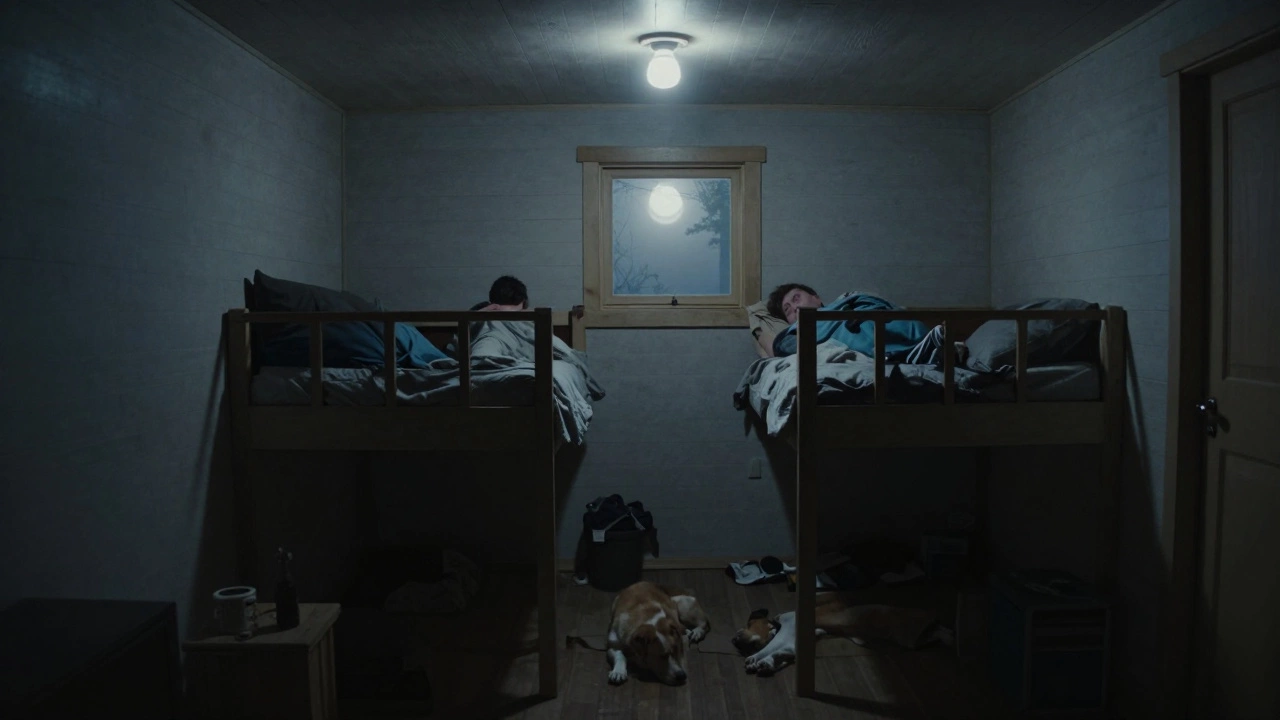
In a tiny house, there’s no such thing as a closed door that means privacy. Even if you have a loft bedroom, the walls are thin, the ceiling is low, and every sound travels. Your partner sneezes? You hear it. Your dog barks? It echoes. You need to use the bathroom at 2 a.m.? Good luck doing it quietly. There’s no hallway to muffle noise, no extra room to retreat to. When you live in 200 square feet, everyone is always in each other’s business - literally.
One couple in Oregon sold their home and moved into a 240-square-foot tiny house. After six months, they split up. Not because they hated each other - but because they couldn’t find a single moment alone. That’s not rare. Tiny house communities report higher rates of relationship strain than traditional neighborhoods. When your entire life happens in one room, you don’t get to escape tension. You just live it.
Storage isn’t a feature - it’s a constant puzzle
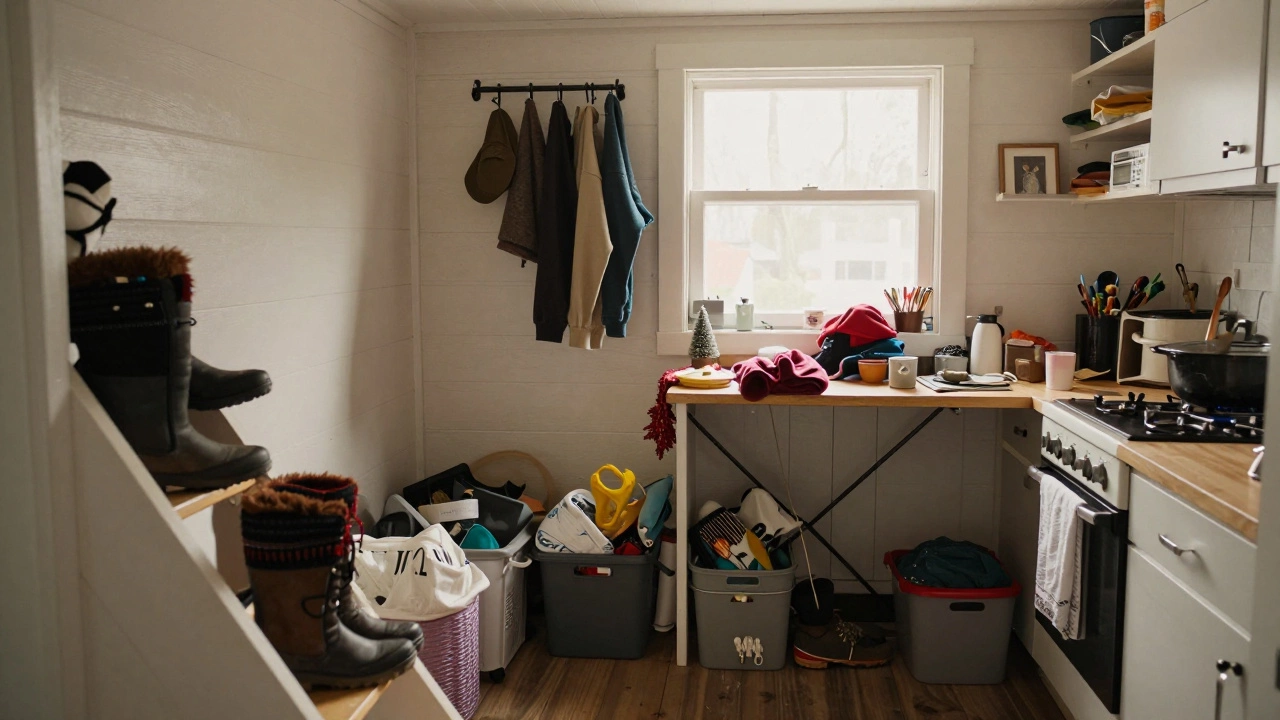
You’ve seen those clever built-ins: pull-out drawers under the stairs, fold-down desks, hidden cabinets. They look amazing in photos. But try living with them for a year.
What happens when you get a new pair of winter boots? Or your mom sends you a box of holiday decorations? Or you need to store your kid’s soccer gear? There’s no attic. No basement. No garage. Every item has to earn its place - and most things lose. You start leaving things at friends’ houses. You stop buying things altogether. You throw away clothes you haven’t worn in two years. You become a minimalist not because you want to, but because you have to.
People who live in tiny houses often describe themselves as “professional declutterers.” That’s not a hobby. It’s a job. And it never ends.
Guests? Forget it
Having someone stay over isn’t just awkward - it’s logistically impossible in most tiny houses. There’s no spare room. No pull-out sofa. No air mattress that doesn’t block the entire floor. Even if you have a loft, climbing a ladder in the middle of the night isn’t safe for older guests or kids.
One woman in New Zealand converted a shipping container into a tiny home. She invited her 72-year-old mother for a two-week visit. Her mom couldn’t sleep because the loft ladder scared her. The bathroom was too narrow to turn around in. And there was nowhere to sit quietly with a cup of tea. After five days, her mom went home - and never asked to visit again.
If you value family visits, holiday guests, or even occasional sleepovers, a tiny house will force you to say no - a lot. And that can strain relationships faster than you think.
Moving is a nightmare
You think you’re buying freedom by living in a tiny house. But most tiny homes are built on trailers. That means you can’t just park anywhere. Zoning laws in most cities ban them from residential neighborhoods. You’re stuck in RV parks, rural lots, or on someone else’s land - often with strict rules about how long you can stay.
In New Zealand, where I live, tiny homes on wheels are classified as caravans. That means you need a special permit to park them long-term. Even then, many councils won’t allow them in urban areas. You might find a spot - but it’s often far from work, public transport, or grocery stores. And if you ever want to move? You need a truck, a permit, and a crew. It costs $2,000 to $5,000 just to relocate a 300-square-foot tiny house. That’s more than most people spend on a used car.
Resale value? It’s not what you think
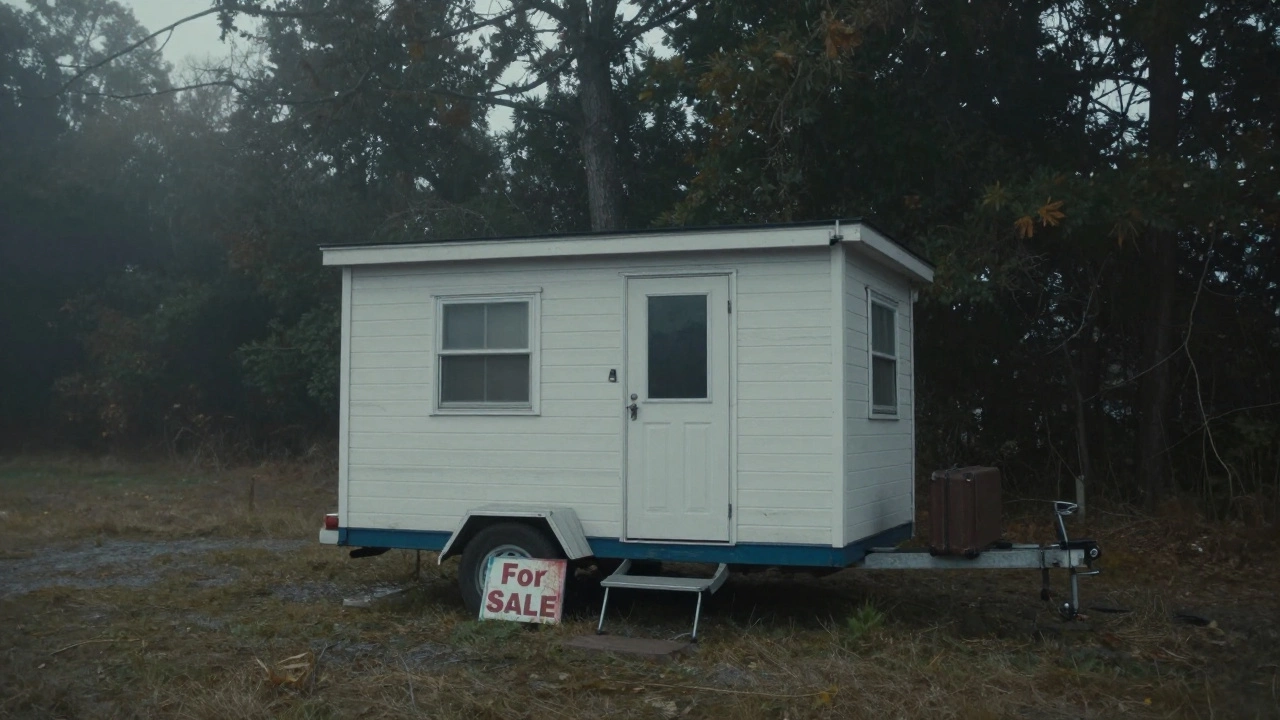
People promise you’ll make money on a tiny house. That’s a myth. Unlike traditional homes, tiny houses don’t appreciate. Most lose value the moment you drive them off the lot. Why? Because there’s no market for them. Banks won’t lend against them. Insurers won’t cover them properly. Buyers are scarce.
A 2024 study by the Tiny Home Institute found that 78% of tiny homes sold in the U.S. and Canada were resold within five years - and 63% of those sold for less than half their original price. The few buyers who do show up? They’re usually looking for a weekend cabin - not a full-time home. That means your investment doesn’t grow. It evaporates.
Weather turns your home into a sauna or an icebox
Small spaces heat and cool fast - and not always well. In summer, a tiny house can turn into a greenhouse. Without proper insulation and ventilation, temperatures inside can hit 105°F (40°C), even when it’s 80°F outside. In winter, the same walls that keep out the cold also trap moisture. Condensation builds up on windows. Mold grows in corners. One homeowner in Vancouver reported mold behind her kitchen cabinets after just eight months - and her tiny house had $12,000 in insulation.
Heating systems in tiny homes are often undersized. Many use propane heaters or wood stoves - which require constant attention. No one talks about how you have to wake up at 3 a.m. in winter to stoke the fire. Or how you can’t leave the house for more than a few hours without risking frozen pipes.
You can’t upgrade - ever
Think you’ll add a bigger fridge later? A second bathroom? A laundry room? You can’t. The structure is fixed. The weight is fixed. The trailer is fixed. If you want to upgrade, you have to rebuild - or sell and start over.
One man in Colorado bought a tiny house with a composting toilet because he thought it was eco-friendly. After a year, he hated it. The smell. The maintenance. The fear of overflow. He wanted a real toilet. But replacing it meant cutting into the floor, rewiring the plumbing, and paying $7,000 for a custom solution. He ended up staying with the composting toilet - and regretting it every day.
In a traditional home, you can renovate. In a tiny house, you’re locked in.
The loneliness creeps in
Living small doesn’t mean living connected. In fact, it often means the opposite. Tiny house communities are rare. Most people live alone, or on the edge of town, far from neighbors. You don’t bump into people at the mailbox. You don’t chat over the fence. You don’t have kids playing in the yard.
A 2023 survey of 1,200 tiny house dwellers found that 41% reported feeling “isolated” or “lonely” within the first year. That’s higher than the national average for urban renters. And it’s not just about location. It’s about identity. When you live in a house smaller than most people’s walk-in closets, you feel like an outsider. Even in eco-friendly circles, tiny house owners often feel judged - too extreme, too odd, too disconnected from normal life.
Is it worth it?
Tiny houses aren’t bad. They’re just not for everyone. If you’re single, child-free, and don’t mind giving up guests, storage, or comfort - then maybe it’s right for you. But if you value privacy, flexibility, or long-term stability? You’ll hit walls you didn’t see coming.
There’s a reason most people who try tiny house living don’t stay. It’s not because they failed. It’s because the design doesn’t match human needs. We don’t just need shelter. We need space to breathe, to grow, to host, to change. A tiny house can’t give you that. And pretending it can? That’s the real cost.
Can you live permanently in a tiny house?
Yes - but only if you find a legal place to park it. Most cities ban tiny homes on wheels from residential zones. You’ll need to live in an RV park, on private land with permission, or in a rural area with relaxed zoning. Even then, utilities, water access, and waste disposal can be tricky. Permanent living is possible, but it’s rarely easy or legal in urban areas.
Do tiny houses save money?
Not always. While your mortgage or rent might be lower, other costs add up. Land fees, utility hookups, insurance, permits, and relocation expenses can easily reach $15,000-$30,000 a year. Many tiny house owners end up spending more than they would on a small apartment. The real savings come from reduced consumption - not lower bills.
Can you have kids in a tiny house?
It’s possible, but it’s extremely challenging. Kids need space to play, store toys, and grow. A 200-square-foot home can’t accommodate a growing child’s needs - especially as they get older. Many families who start in tiny houses move out within 2-3 years. Schools, storage, privacy, and safety become major issues as children age.
Are tiny houses truly eco-friendly?
They can be - but many aren’t. A tiny house built with recycled materials and solar panels is eco-friendly. But one built with cheap lumber, poor insulation, and propane heating? It’s just a small carbon footprint, not a low one. Most tiny homes use more energy per square foot than traditional homes because they’re harder to insulate and heat efficiently. The eco-label is often marketing, not reality.
What’s the average lifespan of a tiny house?
It depends on materials and maintenance. A well-built tiny house on a trailer can last 20-30 years - similar to a mobile home. But because they’re often built by amateurs and exposed to road vibrations, many suffer structural damage within 5-10 years. Moisture, rust, and poor insulation are the biggest killers. Regular upkeep is non-negotiable.