What Does a Hotel Spa Actually Include? A Guide to Wellness Amenities
 Apr, 20 2026
Beyond Just a Hot Tub
You're scrolling through hotel photos and see a beautiful image of someone in a white robe with a cucumber slice on their eye. The description says "on-site spa." But what does that actually mean for your stay? Does it mean you get a free massage, or does it just mean there's a sauna in the basement? The truth is, a hotel spa can range from a small room with a few massage chairs to a massive, multi-million dollar wellness sanctuary that takes up an entire wing of the building.
When a hotel claims to have a spa, they are telling you that they provide professional health and beauty services designed to relax the body and mind. It's not just about the water; it's about a curated experience. Whether you're looking to recover from jet lag or just want to escape your kids for two hours, knowing exactly what to expect helps you decide if the extra cost of the room is worth it.
| Spa Type | Common Features | Vibe | Typical Cost |
|---|---|---|---|
| Boutique/Basic | Sauna, Steam room, 1-2 massage therapists | Functional & Quiet | Moderate |
| Full-Service Luxury | Hydrotherapy, Facials, Nail salon, Relaxation lounge | Opulent & Pampering | High |
| Destination/Wellness Retreat | Yoga studios, Detox programs, Thermal circuits | Transformative & Health-focused | Premium |
The Core Facilities: What's Usually Inside
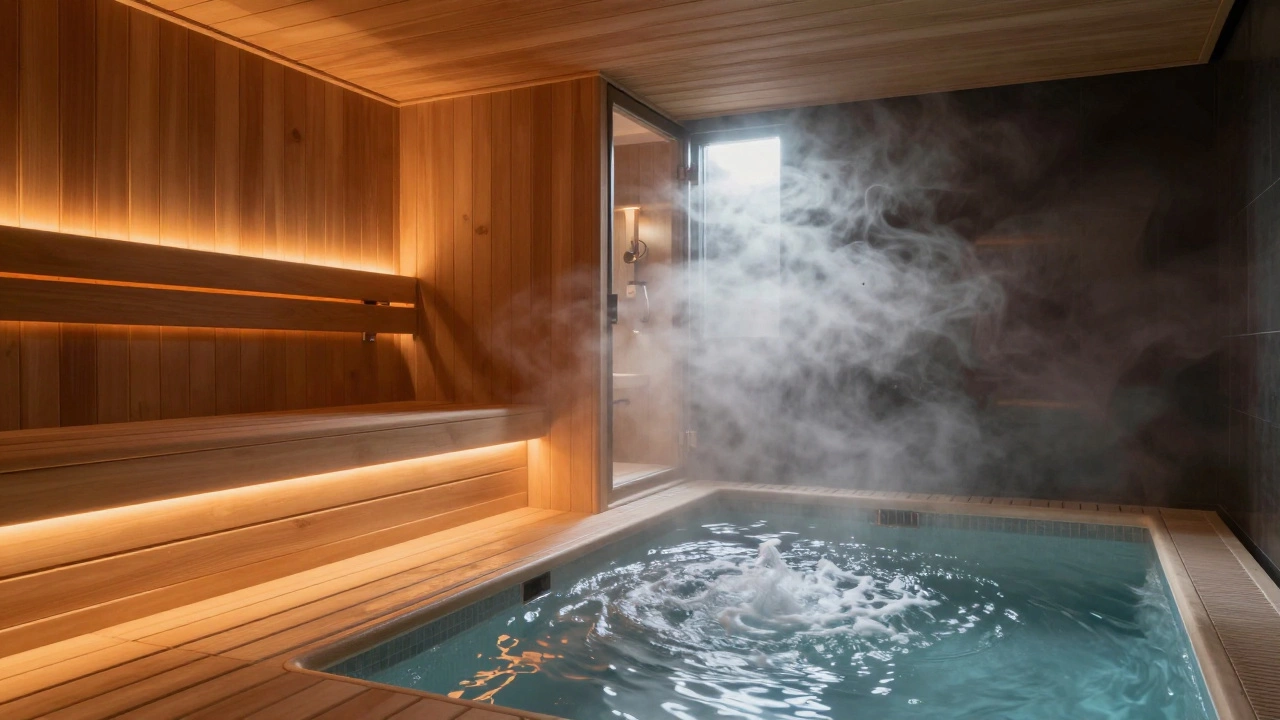
Most hotel spas are built around a set of "wet areas" and "dry areas." The Wet Area is where you'll find the humidity and water-based relaxation. This typically includes a Sauna-a dry heat room usually made of cedar wood that helps you sweat out toxins. You'll also likely find a steam room, which is like a sauna but with 100% humidity, making it feel like a warm cloud. This is great for opening up your sinuses after a long flight.
Then there's the Hydrotherapy Pool. This isn't a swimming pool for laps; it's a smaller pool with powerful jets built into the walls. These jets target specific muscle groups in your back and legs. Some high-end hotels also feature a "cold plunge" pool. Jumping into 50-degree water after a hot sauna might sound like torture, but it actually wakes up your nervous system and reduces inflammation in your joints.
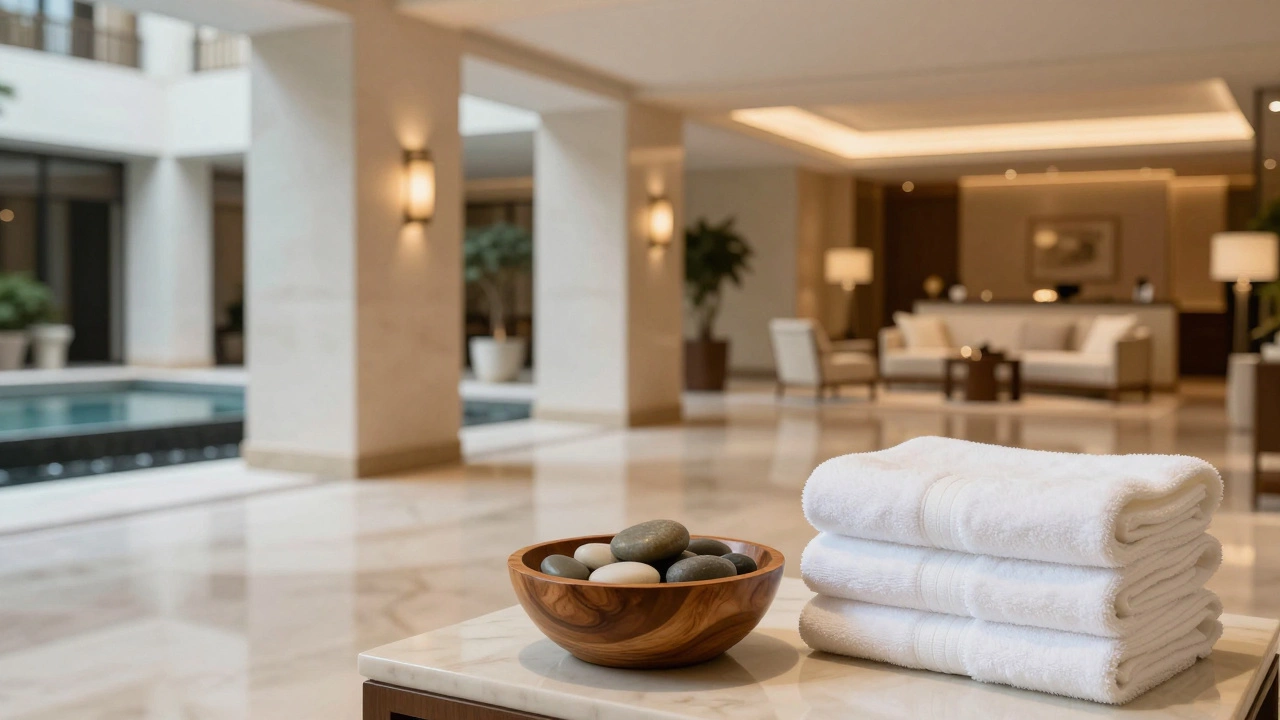
The dry areas are where the actual services happen. This is where the treatment rooms are located-private, dim-lit spaces with heated tables. In a proper hotel spa, these rooms are soundproofed so you don't hear the elevator dinging or people chatting in the hallway. You'll also find a relaxation lounge, which is a quiet zone with lounge chairs and infused water. The goal here is to let your body slowly return to normal after a treatment rather than rushing straight back to your room.
Understanding the Treatment Menu
Once you've checked out the facilities, you'll likely be handed a menu. This is where the "service" part of the spa comes in. The most common offering is the Massage. You'll see options like Swedish massage for general relaxation or deep tissue massage if you've spent the last three days hiking through a city. Many hotels now offer "signature" treatments, which might involve local ingredients-like a sea salt scrub in a coastal hotel or a honey wrap in a mountain lodge.
Facials are another staple. These aren't just about cleaning your skin; they often involve lymphatic drainage to reduce puffiness. If you're staying at a luxury property, you might even see medical-grade treatments like microdermabrasion or LED light therapy. These are more intensive and usually take longer, often requiring a consultation with a licensed esthetician.
Don't ignore the "body wraps" and "scrubs." A body scrub uses exfoliating grains to remove dead skin, while a wrap involves coating the skin in mud or algae and wrapping you in a warm blanket. These are fantastic for hydrating the skin, especially if the hotel is in a dry climate or a very cold winter destination.
The Hidden Costs and "Gotchas"
Here is the part most people miss: just because a hotel has a spa doesn't mean the spa is free. In 95% of hotels, the spa is a separate profit center. This means that while the room is paid for, every single massage, facial, and wrap comes with its own price tag. Even the access to the sauna or steam room can sometimes require a daily "facility fee" if you aren't paying for a specific treatment.
Watch out for the "resort fee." Some hotels bundle spa access into a daily resort fee that is added to your bill at checkout. It's always a good idea to ask at the front desk, "Does my room rate include access to the sauna and pool, or is there an extra charge?"
Another thing to consider is the booking window. If you're visiting a popular hotel during a holiday weekend, the spa will fill up fast. Don't assume you can just walk in at 4 PM on a Friday and get a massage. The best move is to book your treatments the moment you confirm your room reservation. If you wait until you arrive, you'll likely find that the only available slot is at 8 AM on your last day.
How to Use a Hotel Spa Like a Pro
If you've never been to a professional spa, the etiquette can feel a bit intimidating. Start by arriving about 30 to 60 minutes before your scheduled treatment. This gives you time to shower, wrap yourself in a robe, and hit the steam room. This "pre-game" phase relaxes your muscles, which actually makes the massage more effective because your body isn't fighting the tension.
When you're in the treatment room, don't be afraid to speak up. If the massage pressure is too light, or if the table is too cold, tell your therapist. They want you to have the best experience possible, and they can't read your mind. Most therapists will ask you about your focus areas-tell them if your shoulders are tight from carrying luggage or if your calves are sore from walking.
After your treatment, resist the urge to jump immediately back into "vacation mode." Spend 15 minutes in the relaxation lounge. Sip the herbal tea they provide and let the oils soak into your skin. This is where the mental benefits of the spa really kick in, allowing you to transition from a state of stress to a state of total calm.
Wellness vs. Spa: Is There a Difference?
You'll notice some hotels now call their facilities a "Wellness Center" instead of a spa. While the terms are often used interchangeably, there is a subtle difference. A spa is typically focused on the treatment-the massage, the facial, the pampering. Wellness is focused on the lifestyle and long-term health.
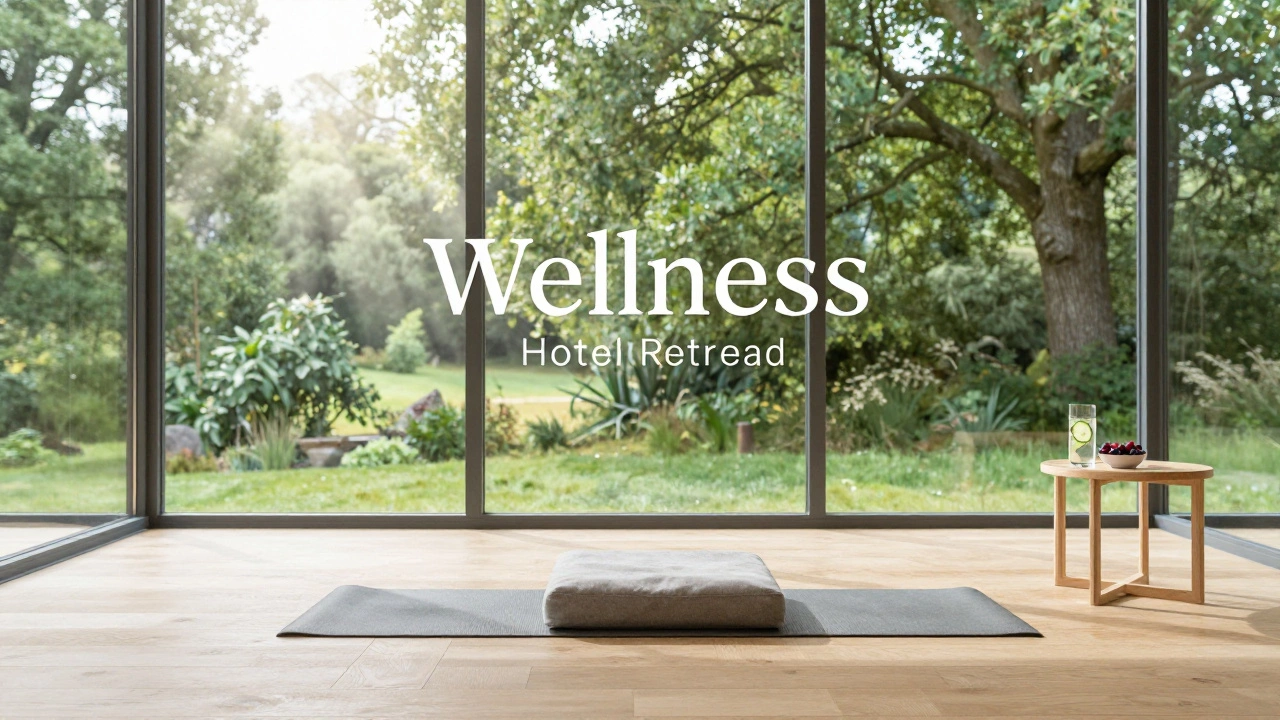
A wellness center is more likely to have a gym with high-end equipment, a yoga studio, or a nutritionist on staff. They might offer "wellness journeys," which combine a morning meditation session, a healthy detox lunch, and an evening aromatherapy massage. If you're looking for a quick treat, go for the spa. If you're looking to reset your biological clock and improve your habits, look for a hotel that emphasizes wellness.
Do I have to pay extra for the spa if it's included in the hotel?
Usually, yes. "Having a spa" means the facility is on-site, but treatments like massages and facials almost always cost extra. However, access to the sauna, steam room, or gym is sometimes included in the room rate or a daily resort fee. Always check the hotel's "Amenities" page or ask the concierge upon arrival to clarify what is free and what is paid.
What should I wear to a hotel spa?
The hotel will provide robes, slippers, and towels. For the wet areas, you'll just need a swimsuit. For treatments, you'll be asked to undress to your comfort level (most people leave underwear on) and will be covered by towels and sheets by the therapist throughout the process. You don't need to bring your own robe unless you prefer your own fabric.
Can I use the spa if I'm not staying at the hotel?
Many luxury hotel spas allow "day guests." You can often book a treatment or buy a day pass for the facilities. Keep in mind that day rates are usually higher than the rates offered to overnight guests, and you'll still have full access to the changing rooms and lounges.
How long does a typical spa visit take?
A standard treatment (like a 60-minute massage) usually takes about 2 to 3 hours in total. This includes the time to change, use the sauna or steam room before the service, the treatment itself, and the post-treatment relaxation period. If you're planning a full "spa day," you should block out 4 to 6 hours.
Is it safe to use a sauna or steam room if I have health issues?
High heat can affect blood pressure and heart rate. If you have a heart condition, are pregnant, or have chronic respiratory issues, you should consult your doctor first. Most hotel spas will have a health questionnaire for you to fill out before you enter the wet areas to ensure your safety.