What Does Self-Catering Property Mean? A Simple Guide for Travelers
 Feb, 15 2026
Self-Catering vs Hotel Cost Calculator
Compare your potential savings when choosing a self-catering property instead of a hotel. Enter your trip details below to see how much you could save on meals and accommodations.
Estimated Savings
Total Hotel Cost
$0.00
Self-Catering Cost
$0.00
You could save $0.00 on your trip.
This is based on your group size and stay duration.
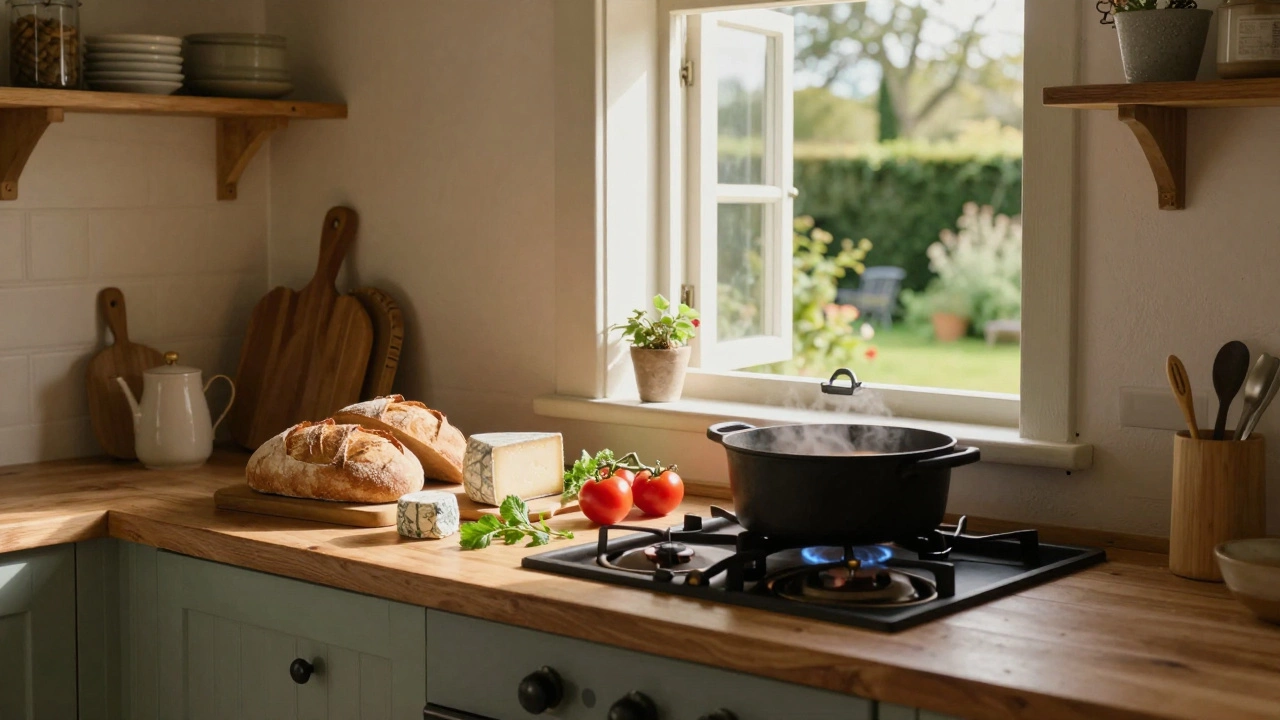
When you’re planning a trip and see the term self-catering property, it might sound fancy or confusing. But it’s actually one of the most practical and popular ways to stay during a vacation. Simply put, a self-catering property is a place where you rent a home or cottage - not a hotel room - and you cook your own meals. No room service. No buffet breakfast. Just a kitchen, some basics, and the freedom to eat how you want.
What Exactly Is a Self-Catering Property?
A self-catering property gives you a full living space: bedrooms, a bathroom, a living area, and - most importantly - a kitchen. You’ll find pots, pans, a stove, a fridge, and usually dishes and utensils. Some even have dishwashers, microwaves, and coffee makers. The idea is simple: you buy your own food and cook it yourself. It’s like staying at someone’s house, but you’re the guest.
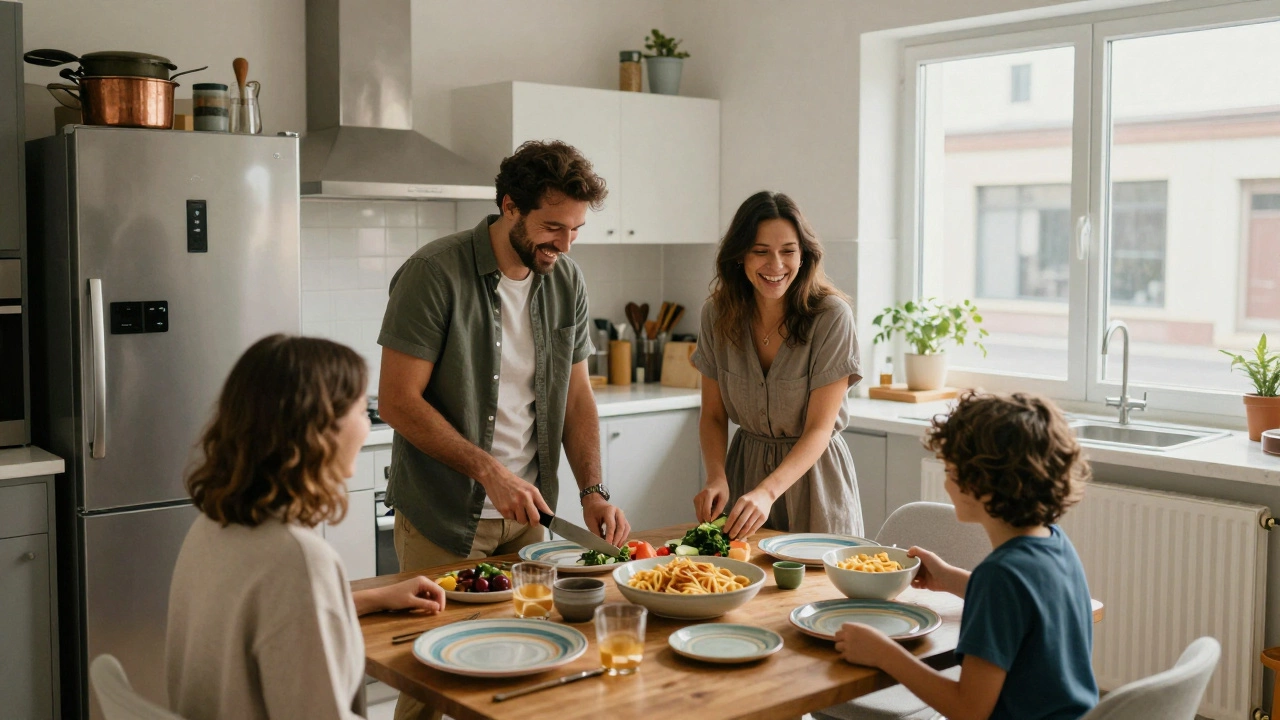
This is different from hotels, where meals are included or sold separately. In a self-catering cottage, breakfast, lunch, and dinner are entirely up to you. You can grab groceries from a local market, cook a big dinner with your family, or just heat up leftovers after a long day of hiking. No extra charges. No set meal times. Just total control.
Why Do People Choose Self-Catering Cottages?
There are a few big reasons why travelers pick self-catering over hotels. First, it’s usually cheaper. You’re not paying for staff, room service, or pre-made meals. A family of four staying in a self-catering cottage for a week can easily save hundreds compared to booking four hotel rooms with breakfast included.
Second, it feels more like home. You can wake up late. You can eat dinner at 9 p.m. You can leave your coffee mug on the counter. You can even leave the windows open if you like the sound of rain. There’s no one checking in on you or cleaning your space every day - unless you ask for it.
Third, it’s great for special diets or food allergies. If you’re gluten-free, vegan, or just hate hotel pancakes, self-catering lets you eat exactly what you want. You can buy fresh local produce, make your own sauces, or even bake cookies for the kids. Hotels rarely offer that kind of flexibility.
What’s Usually Included?
Not every self-catering property is the same, but most include the basics:
- Full kitchen with stove, oven, fridge, and sink
- Cookware: pots, pans, baking trays
- Dishes, glasses, cutlery, and cups
- Basic cleaning supplies (dish soap, trash bags)
- Bed linens and towels
- Wi-Fi and TV (in most cases)
Some places go further. You might find a BBQ grill on the patio, a washing machine, or even a wood-fired oven. High-end cottages sometimes include welcome baskets with local cheese, bread, or wine. But don’t expect toiletries like shampoo or toothpaste - those are usually your responsibility.
Where Do You Find Self-Catering Properties?
You’ll find them everywhere - from mountain cabins in the Alps to beach huts in Thailand. In New Zealand, places like Queenstown, Rotorua, and the Bay of Islands have hundreds of self-catering cottages. Sites like Airbnb, Booking.com, and Vrbo list them. But you can also find smaller, family-run rentals through local tourism boards or regional websites.
When you search, look for terms like:
- Self-catering cottage
- Self-catering apartment
- Holiday home
- Private rental
- Apartment with kitchen
Avoid listings that say "hotel-style" or "breakfast included" - those aren’t true self-catering.
Who Is It Best For?
Self-catering works best for:
- Families - kids can eat when they want, and you can save money on meals
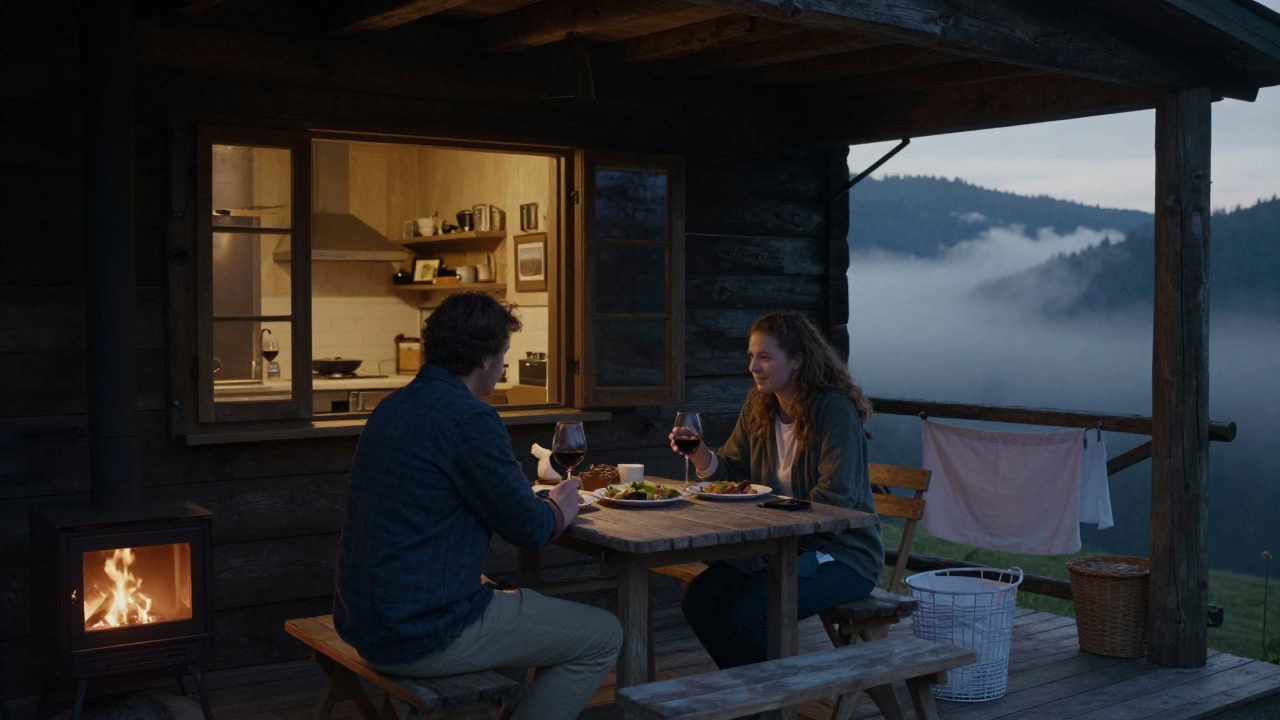
- Couples on a romantic getaway - cook together, have wine on the porch
- Long-term travelers - work remotely while staying in a real home
- People with dietary needs - no more guessing what’s in the food
- Groups of friends - you can split the cost and have your own space
It’s not ideal if you’re traveling for just one night and don’t want to deal with cleaning. Or if you hate cooking. If you’d rather just walk to a restaurant and be done with it, a hotel might be better.
What Should You Bring?
You don’t need to pack a whole kitchen, but here’s what most travelers forget:
- Basic spices (salt, pepper, olive oil - not always provided)
- Laundry detergent (if the cottage has a washer)
- Trash bags (sometimes not included)
- Reusable shopping bags (for groceries)
- Snacks for the drive
- Any special dietary items you rely on
Pro tip: Check the listing description. Most hosts list exactly what’s provided. If they say "kitchen fully equipped," you’re probably good. If they say "basic kitchen," bring your own blender or espresso maker.
How Is It Different From a Hotel?
| Feature | Self-Catering Property | Hotel |
|---|---|---|
| Meals | You cook your own | Often included or sold separately |
| Cost | Lower overall cost for longer stays | Higher per night, includes services |
| Space | Full home: kitchen, living area, multiple rooms | Single room, maybe a suite |
| Privacy | Complete privacy - no staff entering | Housekeeping comes daily |
| Flexibility | Eat, sleep, relax on your schedule | Fixed check-in/out times, meal hours |
What About Cleaning?
You’ll usually be expected to leave the property clean - just like you’d leave someone’s house after a visit. That means washing dishes, taking out trash, and making sure the kitchen is tidy. Most hosts give a checklist. Some charge a cleaning fee if you leave it messy. It’s not hard - just basic respect.
Think of it this way: you’re borrowing someone’s home. You wouldn’t leave your friend’s kitchen covered in dirty pots. Same rule applies here.
Is It Right for You?
If you want to save money, eat better, and have real space to relax - yes. Self-catering properties are perfect for travelers who value freedom over convenience. You get more control, more space, and more authenticity.
If you just want to check in, drop your bag, and never think about food again - then stick with a hotel. But if you’ve ever thought, "I wish I could just make pasta after a long day," then a self-catering cottage might be your next favorite stay.