What is a Boutique Hotel? Defining the Unique Stay Experience
 Apr, 30 2026
Boutique vs. Chain: Hotel Authenticity Checker
Is that hotel actually "boutique" or just using the word for marketing? Answer these 5 questions to find out the authenticity score.
Verdict: True Boutique
This property strongly aligns with the core pillars of boutique hospitality: intimacy, curated design, and local identity.
Quick Takeaways
- Boutique hotels prioritize personality and style over standardized branding.
- They typically have fewer than 100 rooms to maintain a personal guest experience.
- The focus is on "curated luxury," meaning every piece of furniture and art is chosen for a specific vibe.
- They often occupy historic buildings or integrate deeply with the local culture.
When we talk about boutique hotel meaning is a style of hotel that is typically smaller, more intimate, and more stylized than a chain hotel, focusing on a specific theme or a high level of personalized service. Unlike the massive towers you see in cities like Las Vegas or Dubai, these properties aren't trying to appeal to everyone. They are designed for a specific type of traveler who values aesthetics and authenticity over the predictability of a global brand.
The Core Pillars of a Boutique Experience
To really understand what makes a hotel "boutique," you have to look past the room count. There are three main pillars that separate these stays from standard hospitality.
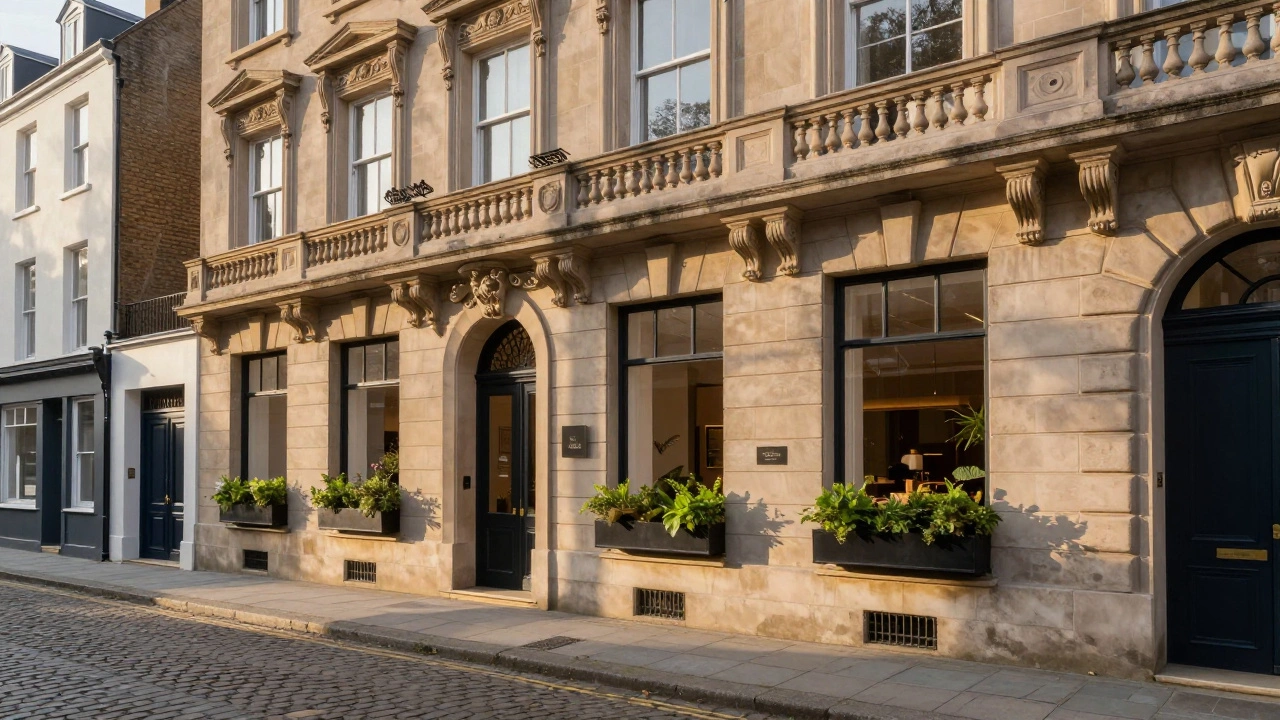
First, there is the Architectural Identity. A boutique hotel rarely looks like a concrete box. Many are converted from old warehouses, former banks, or historic mansions. For example, a hotel in New Orleans might be a restored 19th-century townhouse, while one in Tokyo might be a minimalist concrete sanctuary. The building itself tells a story before you even check in.
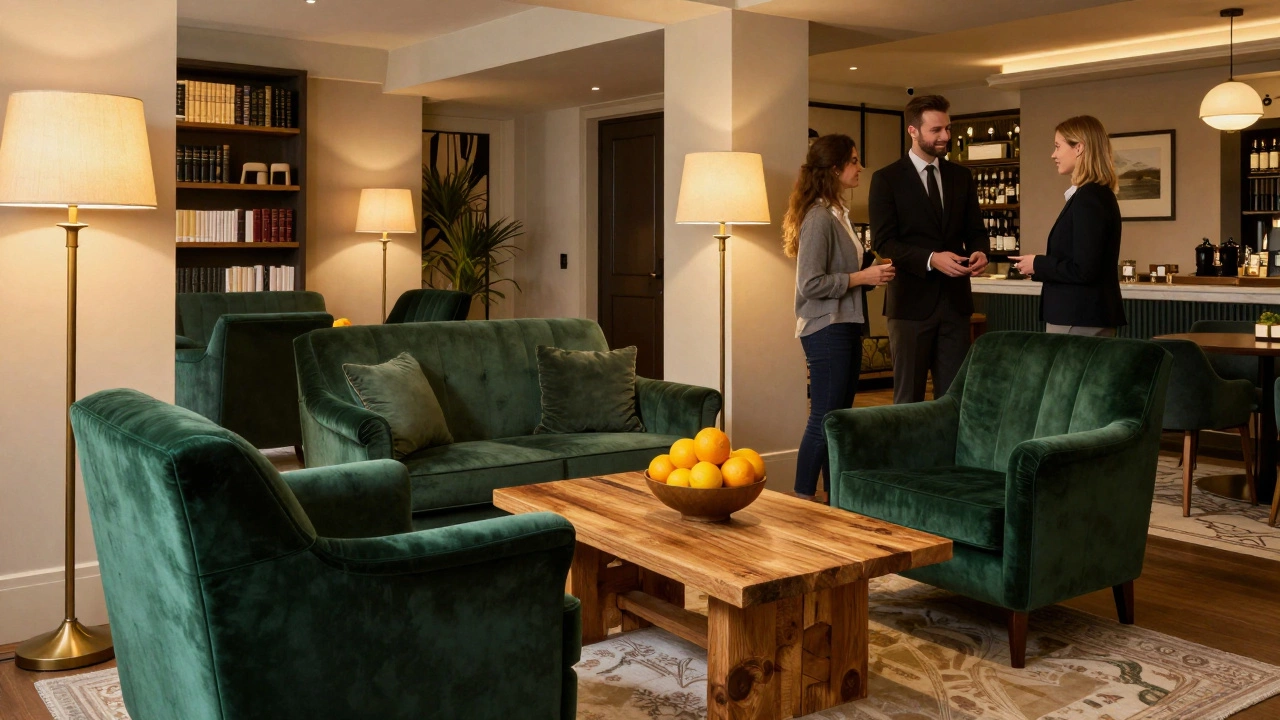
Second is Curated Design. In a chain hotel, the carpet is chosen because it hides stains and the art is a generic print of a city skyline. In a boutique setting, you'll find Interior Design that reflects a specific mood. You might find mid-century modern furniture, local artisan pottery, or a daring color palette that makes the space feel like a gallery rather than a dormitory.
Finally, there is Intimate Service. Because these hotels have fewer guests, the staff can actually get to know you. They aren't following a rigid corporate script. If you mention you love a certain type of tea, you'll likely find it waiting in your room the next morning. This is the shift from "customer service" to "hospitality."
Boutique vs. Chain Hotels: The Real Differences
It is easy to confuse a small luxury hotel with a boutique one, but the difference lies in the DNA of the operation. Chain hotels rely on Standardization. This is why a room in New York looks exactly like a room in London; it provides a safety net of predictability. Boutique hotels thrive on the opposite: unpredictability and surprise.
| Feature | Boutique Hotel | Chain Hotel |
|---|---|---|
| Room Count | Usually 10 to 100 rooms | Often 200 to 1,000+ rooms |
| Atmosphere | Unique, thematic, localized | Consistent, corporate, neutral |
| Service Style | Personalized and intuitive | Efficient and procedural |
| Location | Integrated into local neighborhoods | Prime commercial hubs/airports |
| Ownership | Often independent or small group | Global corporations |
The Rise of the "Lifestyle Hotel"
You might have noticed that big brands are now trying to copy this vibe. This has led to the birth of the Lifestyle Hotel. These are hotels owned by giant corporations-think Marriott or Accor-but designed to look boutique. They use trendy furniture and a hip lobby bar to attract younger travelers. While they offer the "look," they often lack the true independence and local soul of a genuine boutique property.
The real difference comes down to who is making the decisions. In a true boutique hotel, the owner might decide to change the art in the lobby because they found a new local painter they love. In a lifestyle hotel, that change has to go through three layers of corporate approval and a brand consistency audit.
Who Should Choose a Boutique Hotel?
Not everyone will love a boutique experience, and that is by design. If you are traveling with a massive family and need five identical rooms with guaranteed standard amenities, a chain is your best bet. However, if you fall into these categories, a boutique stay is usually a better choice:
- The Cultural Explorer: If you want to feel the pulse of the city and stay in a place that reflects the local history.
- The Design Enthusiast: If you find inspiration in architecture and curated spaces.
- The Romantic: If you are looking for a cozy, secluded atmosphere for a getaway.
- The Solo Traveler: If you prefer a social, intimate environment where it is easier to meet people in a shared lounge.
A great example is staying at a small property in the heart of Kyoto. Instead of a 500-room tower, you choose a 12-room Ryokan-inspired boutique hotel. You aren't just getting a bed; you are getting a lesson in Japanese minimalism and local hospitality.
Common Misconceptions
One of the biggest myths is that boutique hotels are always more expensive. While many are high-end luxury, some are simply "mid-scale boutique." These properties offer a stylish environment and a great location without the 5-star price tag. They compete by offering better vibes, not necessarily more gold leaf on the ceilings.
Another misconception is that boutique means "unprofessional." Some people fear that an independent hotel won't have the same cleanliness or security standards as a Hilton. In reality, many boutique hotels have higher standards because their reputation depends on a few dozen reviews rather than a global marketing budget. A single bad experience in a 20-room hotel is a disaster for the owner, so they often work harder to ensure everything is perfect.
How to Spot a True Boutique Hotel
When browsing through booking sites, it is easy to get fooled by the word "boutique" in the title. To find the real deal, look for these red flags and green flags:
Green Flags (The Real Deal):
- The hotel has a specific theme or story described on their website.
- Photos show rooms that look different from one another.
- The location is tucked away in a residential or historic district rather than a generic hotel row.
- They emphasize "local partnerships," like coffee from the roastery next door or soap made in the city.
Red Flags (The "Boutique-ish" Chain):
- The decor looks like a catalog from a big-box furniture store.
- Every single room looks identical in the photos.
- The "about us" page uses corporate buzzwords like "synergy" and "global standards."
- They have 300 rooms but call themselves a "boutique experience."
Do boutique hotels have the same amenities as big hotels?
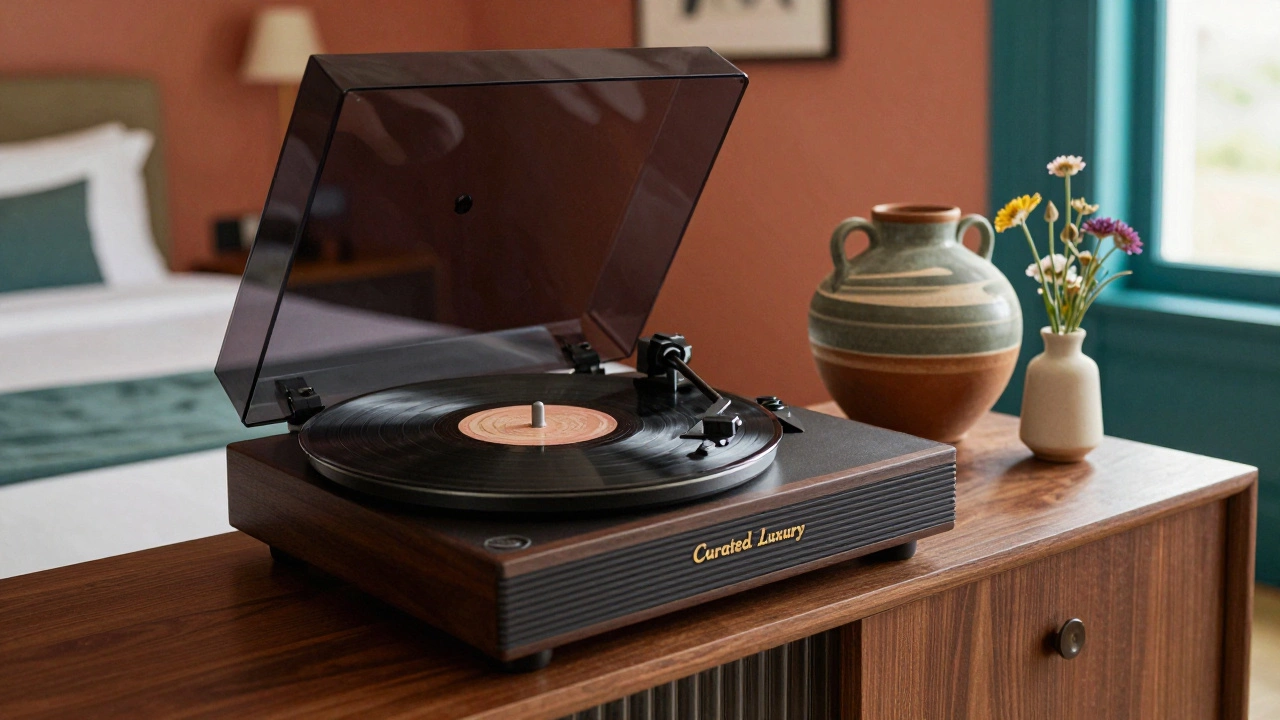
Usually not in the same way. You might not find a 24-hour massive gym or a giant convention center. Instead, they offer curated amenities: a high-end vinyl record player in the room, a small but artisanal breakfast menu, or a library of local books. They trade quantity for quality.
Are boutique hotels safer than chain hotels?
Safety is generally comparable. While chains have standardized security protocols, boutique hotels offer "human security." Because the staff knows exactly who is staying in the building, they are often quicker to notice if someone doesn't belong there.
Can a boutique hotel be part of a larger group?
Yes. Many boutique hotels are part of "collections." This means they are independently owned and operated but share a booking system or a set of quality standards with other unique hotels. This is a middle ground between a lonely independent and a corporate giant.
Is the price always higher for boutique stays?
Not necessarily. While "luxury boutique" is common, there are many "budget boutique" options. These hotels focus on a cool atmosphere and great design without offering expensive extras like spas or valet parking, making them affordable for younger travelers.
What is the ideal room count for a boutique hotel?
While there is no legal limit, the industry generally considers properties with 10 to 100 rooms as boutique. Once a hotel passes the 150-room mark, it becomes very difficult to maintain the level of personal service and intimate atmosphere that defines the boutique experience.
Next Steps for Your Next Trip
If you are ready to ditch the predictable corridors of a chain hotel, start by searching for "independent hotels" in your destination city. Read the reviews-specifically look for mentions of the staff by name. If the guests are talking about the people and the "vibe" rather than just the bed size, you've likely found a true boutique gem.
For those who are nervous about the lack of standardization, try a "soft-boutique" experience first. Look for a hotel that is part of a recognized small collection. You'll get the unique design and personal touch, but with a layer of guaranteed quality that makes the transition from a chain hotel feel a bit smoother.