What Is an Eco-Friendly Person Called? The Real Terms People Use
 Feb, 26 2026
Sustainable Lifestyle Label Finder
How Sustainable Are You?
Answer these questions to find out which term best describes your lifestyle. Your answers will help determine your sustainable living label.
1. How do you power your home?
2. What do you do with household waste?
3. How do you handle food choices?
4. How do you conserve water?
5. What's your primary motivation for sustainable living?
Ever heard someone say they’re ‘eco-friendly’ and wondered - what’s the actual word for that person? It’s not just a buzzword. There are real, commonly used terms that describe someone who lives with the planet in mind. And no, it’s not as simple as calling them a ‘green person’ - though lots of folks do.
What Do You Actually Call Someone Who Lives Sustainably?
The most accurate term is environmentalist. It’s not outdated, and it’s not just for activists with protest signs. An environmentalist is anyone who takes action to protect nature - whether that’s composting kitchen scraps, biking to work, or choosing a solar-powered home. The word comes from ‘environment,’ and it’s been around since the 1960s. Back then, it meant scientists studying ecosystems. Today? It means anyone who makes daily choices that reduce harm to the planet.
But not everyone who lives sustainably wants to be called an environmentalist. Some feel it sounds too political. Others think it’s too broad. So people have started using more specific labels based on what they actually do.
Zero Waste Advocate
If someone avoids single-use plastics, buys in bulk, and makes their own cleaning products, they’re likely a zero waste advocate. This term became popular after the 2010s, when influencers like Bea Johnson started sharing how to live with almost no trash. It’s not about perfection - it’s about reducing waste as much as possible. In New Zealand, where landfills are filling up fast and recycling rates are still low, this label fits a growing number of households.
Low-Impact Living Practitioner
Some people don’t like labels at all. They just live differently. They grow their own food, use rainwater tanks, and heat their homes with wood pellets instead of gas. These folks often call themselves low-impact living practitioners. It’s a mouthful, but it’s precise. It doesn’t assume they’re perfect - just that they’re actively trying to shrink their footprint.
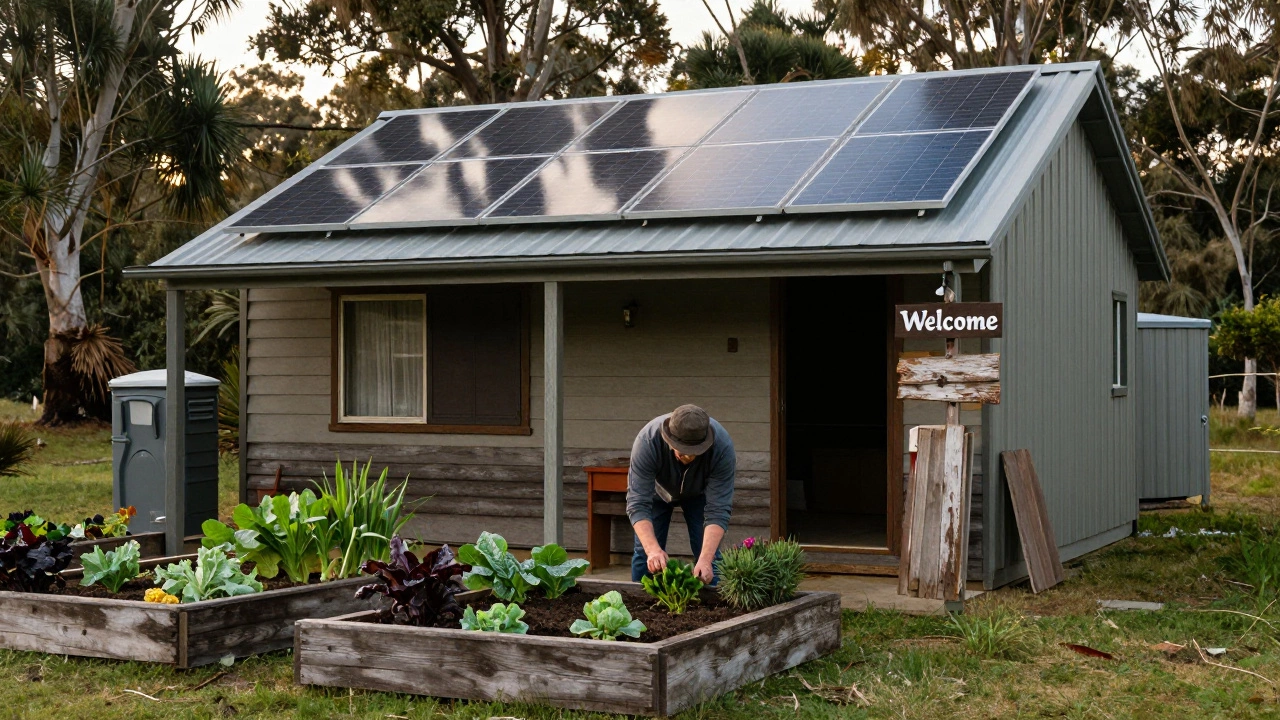
Think of someone who owns a cottage in the Tararua Range and uses a composting toilet, grows vegetables in raised beds, and charges their electric car with solar panels. They’re not shouting about it on Instagram. They’re just doing it. That’s a low-impact living practitioner.
Green Person - Is That Even a Real Term?
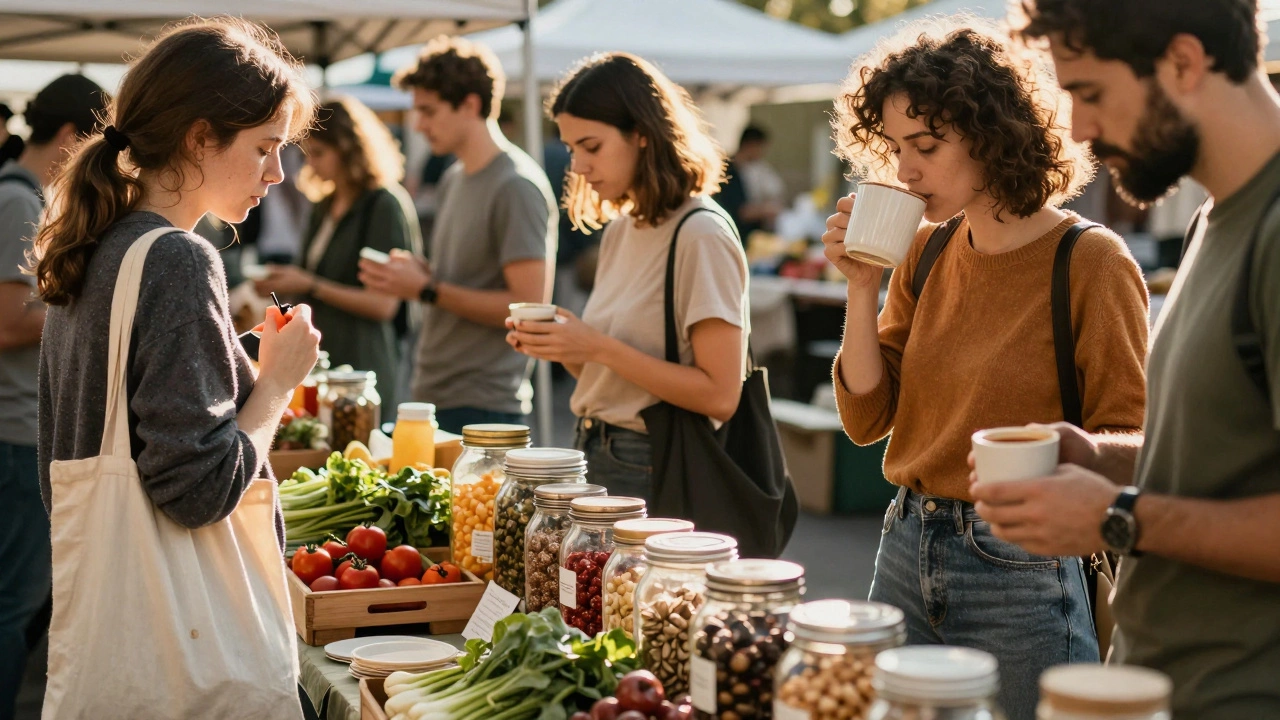
Yes, people say it. ‘I’m just a green person.’ It’s casual. Friendly. Sometimes even a little self-deprecating. But it’s not technical. You won’t find it in dictionaries or academic papers. Still, in everyday talk - at farmers markets, in community gardens, or over coffee in Wellington - it works. It’s the go-to phrase for someone who recycles, avoids fast fashion, and turns off lights. It’s not wrong. It’s just vague.
Here’s the thing: if you’re asking what to call someone, you’re probably trying to understand their values. And labels can help with that - but only if they’re used right.
Why the Confusion? Because Sustainability Isn’t One Thing
People think ‘eco-friendly’ is one lifestyle. But it’s not. It’s a collection of habits, beliefs, and choices.
- Some focus on energy use - switching to renewables, insulating homes, avoiding gas stoves.
- Others focus on consumption - buying secondhand, repairing instead of replacing, refusing plastic packaging.
- Then there are those focused on food systems - eating less meat, supporting local farms, growing heirloom vegetables.
- And some care about wildlife protection - planting native trees, avoiding pesticides, keeping cats indoors.
So one person might call themselves a ‘climate activist’ because they campaign for clean energy. Another might say they’re a ‘conscious consumer’ because they only buy from ethical brands. Neither is wrong. They’re just emphasizing different parts of the same bigger picture.
What About ‘Sustainable Person’?
You hear this one a lot - especially in marketing. ‘Our product is made by sustainable people!’ But here’s the problem: ‘sustainable’ describes systems, not people. You can have a sustainable house, a sustainable farm, a sustainable supply chain. But a person? People aren’t systems. They’re humans making choices.
That’s why ‘sustainable person’ sounds off to experts. It’s like saying ‘a healthy car.’ You can make a car more fuel-efficient - but the car itself isn’t healthy. The driver is.
So if you want to be accurate, skip ‘sustainable person.’ Use ‘person living sustainably’ instead. It’s clunkier, but it’s honest.
Who Gets to Decide What You’re Called?
Here’s a truth: nobody gets to label you except you.
Some people hate being called ‘eco-warrior’ - it feels like a caricature. Others love it because it gives them pride. Some avoid ‘environmentalist’ because they’ve been told it’s ‘radical.’ But radical just means ‘going to the root.’ And if you’re cutting out plastic, reducing meat, and walking instead of driving - you’re going to the root.
The best term is the one that feels true to you. If you live in an eco-friendly cottage, grow your own food, and never buy bottled water - you don’t need a fancy label. But if someone asks, you’ve got options:
- ‘I’m an environmentalist.’ - if you care about policy and nature.
- ‘I’m a zero waste advocate.’ - if you’re obsessed with trash reduction.
- ‘I live low-impact.’ - if you just want to keep it simple.
- ‘I’m a green person.’ - if you’re chatting with a neighbor over the fence.
It’s Not About the Word - It’s About the Action
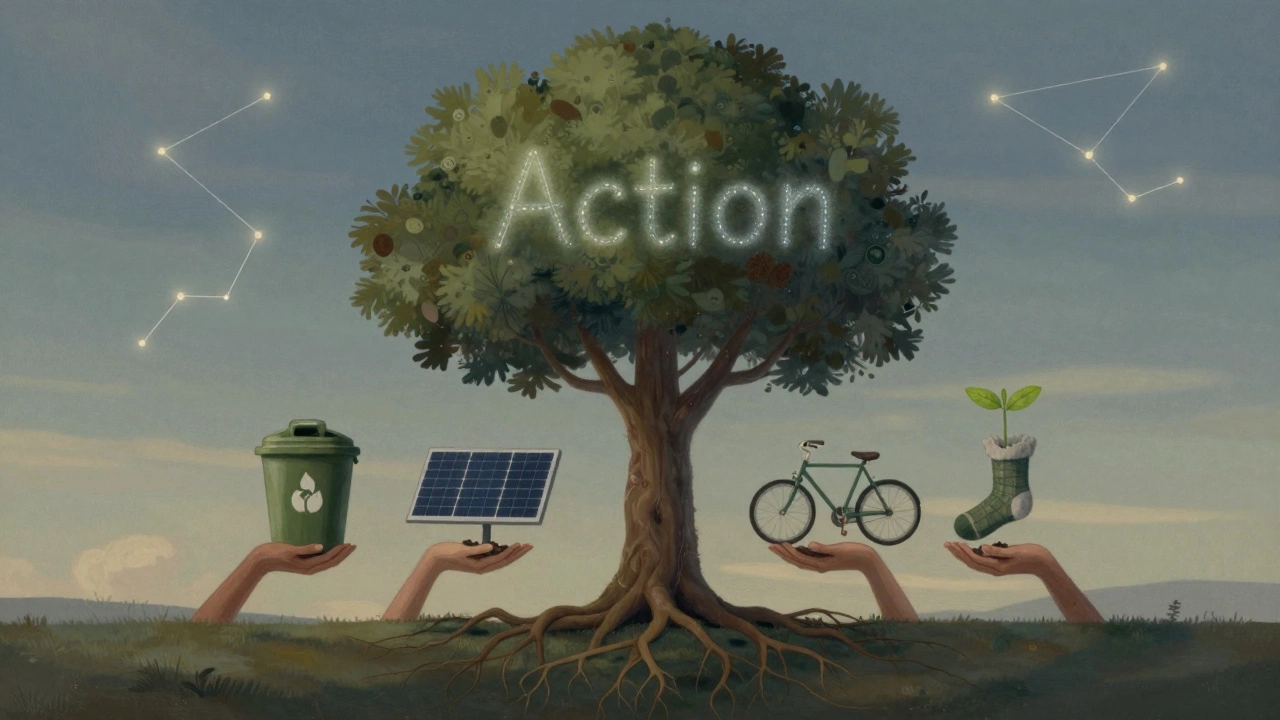
At the end of the day, calling someone an ‘eco-friendly person’ doesn’t change what they do. A person who uses a composting toilet in their eco-friendly cottage is doing more than someone who just says they care. Actions matter more than labels.
And here’s the quiet truth: most people who live sustainably don’t even think about what to call themselves. They’re too busy fixing a leaky roof with reclaimed timber, planting native grasses, or teaching their kid how to mend a sock.
So if you’re wondering what to call someone - ask them. Or better yet, watch what they do. The label will follow the action - not the other way around.
Why This Matters for Eco-Friendly Cottages
If you own or rent an eco-friendly cottage, you’re already part of this movement. Whether you’ve installed solar panels, use biodegradable cleaners, or source firewood from local forests - you’re not just staying green. You’re living it.
And when guests ask, ‘What do you call someone like you?’ - you can say: ‘I’m just someone trying to leave the place better than I found it.’
That’s enough.