What Is Country Cottage Style? A Complete Guide to Rustic Charm
 Jun, 4 2026
Country Cottage Style Visualizer
Choose Your Aesthetic
Select a palette below to visualize the mood and color scheme.
Select a Palette
--Click on one of the styles on the left to update the room preview and see the specific colors used.
Primary
Accent
Floor/Rug
There is something magnetic about a house that looks like it has stood on its patch of earth for centuries. You know the type: sagging timber beams, mismatched window panes, and a garden that seems to have grown wild rather than planned. This is the essence of country cottage style, which is an architectural and interior design aesthetic rooted in rural simplicity, natural materials, and a sense of lived-in history. It is not just a trend; it is a reaction against the sterile perfection of modern minimalism.
In recent years, this aesthetic has exploded in popularity, fueled by the 'cottagecore' movement on social media. But true country cottage style goes deeper than just floral wallpaper and lace doilies. It is about creating a space that feels safe, warm, and connected to the land. Whether you are renovating an old farmhouse or trying to bring some rustic charm into a city apartment, understanding the core principles of this style is key.
The Historical Roots of the Cottage Aesthetic
To understand what makes a home feel like a genuine country cottage, we have to look back at where the style originated. The term 'cottage' originally referred to small, modest dwellings built for rural workers in Europe, particularly in England and France. These were not designed by architects with grand visions but by local craftsmen using whatever materials were available nearby.
This necessity birthed the aesthetic. If stone was plentiful, the walls were stone. If timber was abundant, the structure was wood. Roofs were thatched with straw or reeds because slate was too expensive. Over time, these practical choices evolved into a beloved visual language. In the late 19th and early 20th centuries, the Arts and Crafts movement championed this rustic honesty, rejecting industrial mass production in favor of handcrafted beauty.
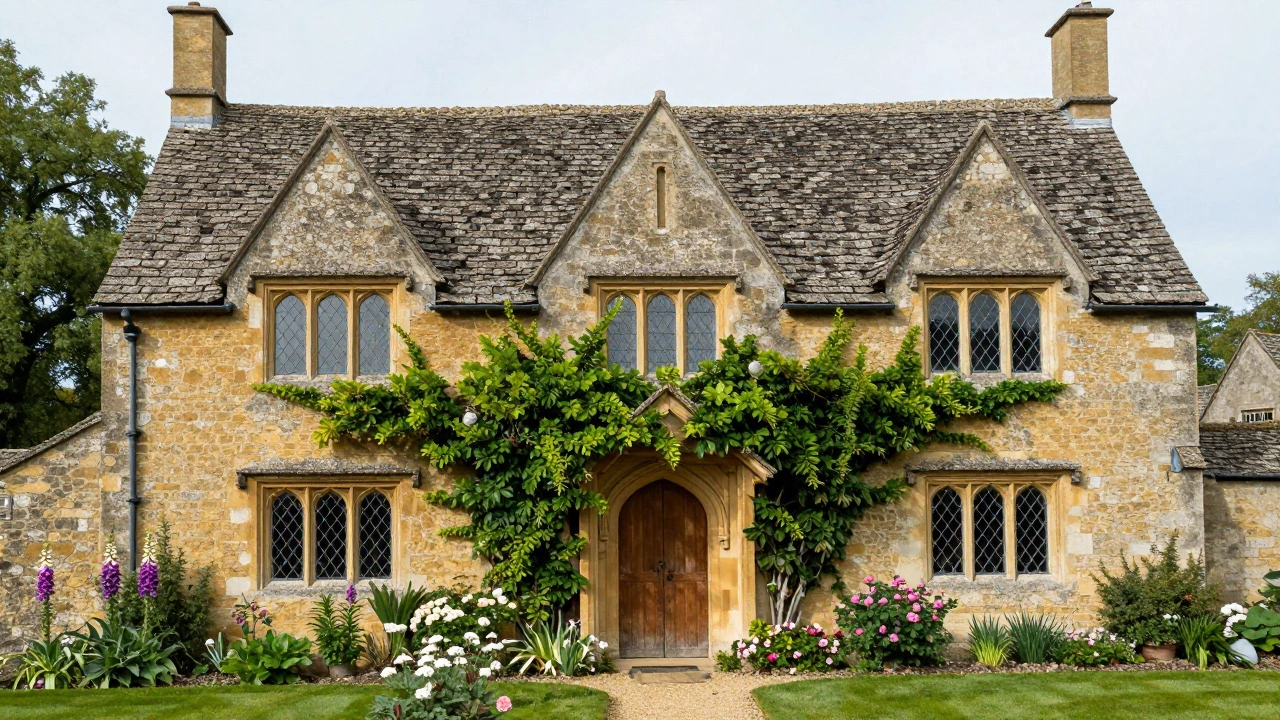
Today, when we talk about country cottage style, we are often referencing this romanticized version of rural life. It draws heavily from the English Cotswold cottages, known for their honey-colored limestone walls and steeply pitched roofs. It also borrows from the French Provençal style, characterized by terracotta tiles, shutters, and stucco facades. Understanding these origins helps you avoid making your home look like a costume set and instead gives it authentic character.
Key Architectural Features: The Exterior Look
The exterior of a country cottage is usually its most defining feature. It is rarely symmetrical or perfectly straight. Instead, it embraces irregularity. Here are the structural elements that signal 'cottage' to the eye:
- Asymmetry: Windows are often placed unevenly. One might be larger than the other, or slightly off-center. This suggests that the house was added to over time, room by room.
- Natural Materials: Stone, brick, timber, and stucco are the primary building blocks. Painted white or left in their natural state, these materials age gracefully, developing a patina that new materials simply cannot replicate.
- Steep Rooflines: Traditional cottages have steeply pitched roofs to shed rain and snow efficiently. These roofs are often covered in slate, clay tiles, or thatch, adding texture and depth to the silhouette.
- Climbing Plants: A cottage without greenery is just a house. Ivy, clematis, and roses climbing up the walls soften the hard lines of the structure and blur the boundary between the building and the garden.
If you are working with a modern home, you can mimic these features. Add faux timber cladding, install wrought-iron window grilles, or plant vigorous climbers around your front door. The goal is to create a sense of shelter and history, even if the foundation was poured last year.
Interior Design: Embracing Cozy Clutter
Step inside, and the feeling shifts from rugged exterior protection to intimate warmth. Country cottage interiors are defined by comfort above all else. There is no place for cold, empty spaces. Every corner should serve a purpose or provide a place to sit, read, or rest.
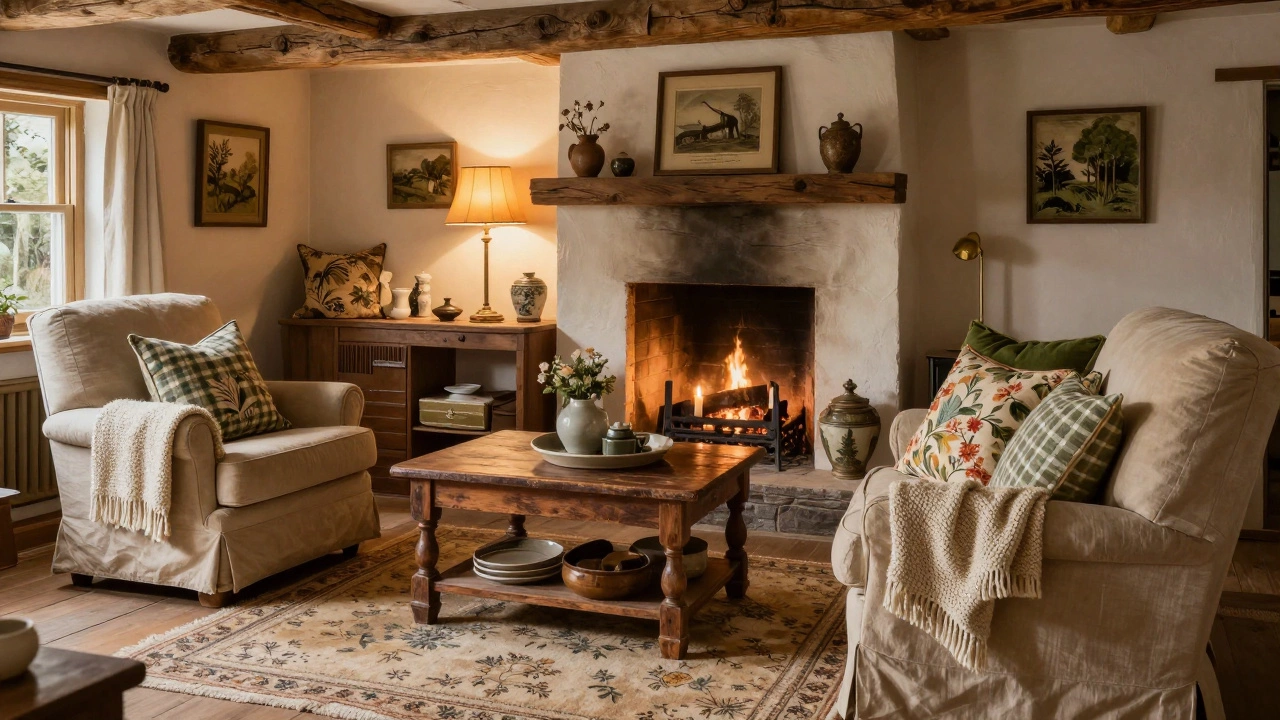
Furniture in this style is typically sturdy, functional, and often antique or vintage-inspired. Think of heavy wooden tables with worn surfaces, overstuffed armchairs with rolled arms, and sofas upholstered in durable fabrics like linen or cotton. Chintz fabric, with its intricate floral patterns on a light background, is a classic element of cottage interiors, though it should be used sparingly to avoid looking dated.
Layering is crucial. You want multiple textures touching each other. A wool rug over a hardwood floor, a knitted throw draped over a leather chair, and ceramic vases sitting on a wooden sideboard. This tactile variety creates a sensory richness that keeps the space feeling alive.
Lighting plays a significant role too. Harsh overhead lights are the enemy of the cottage vibe. Instead, rely on table lamps with fabric shades, candlelight, and fireplaces. The glow should be warm and low, casting soft shadows that make the room feel smaller and cozier.
Color Palettes and Textures
The color scheme of a country cottage is drawn directly from nature. You will see lots of greens, blues, creams, and earthy browns. However, it is not always muted. Traditional cottages often feature bold accents inspired by folk art and local flora.
| Palette Name | Primary Colors | Accent Colors | Mood Created |
|---|---|---|---|
| Rustic Earth | Brown, Beige, Cream | Olive Green, Terracotta | Grounded, Stable |
| Coastal Cottage | White, Light Blue | Sage Green, Grey | Airy, Fresh |
| English Garden | Soft Pink, Lavender | Deep Green, Yellow | Romantic, Cheerful |
| Dark Academia | Charcoal, Navy | Mustard, Burgundy | Intellectual, Moody |
Textures are just as important as colors. Rough-hewn wood, smooth ceramics, woven baskets, and metallic accents like brass or copper add visual interest. The key is to mix old and new. A pristine white sofa paired with a distressed wooden coffee table creates a dynamic tension that keeps the eye engaged.
Bringing the Outdoors In
A country cottage does not exist in isolation from its surroundings. The connection between the interior and the garden is seamless. Large windows, French doors, and open archways invite views of the landscape inside. Even in urban settings, you can achieve this effect with indoor plants.
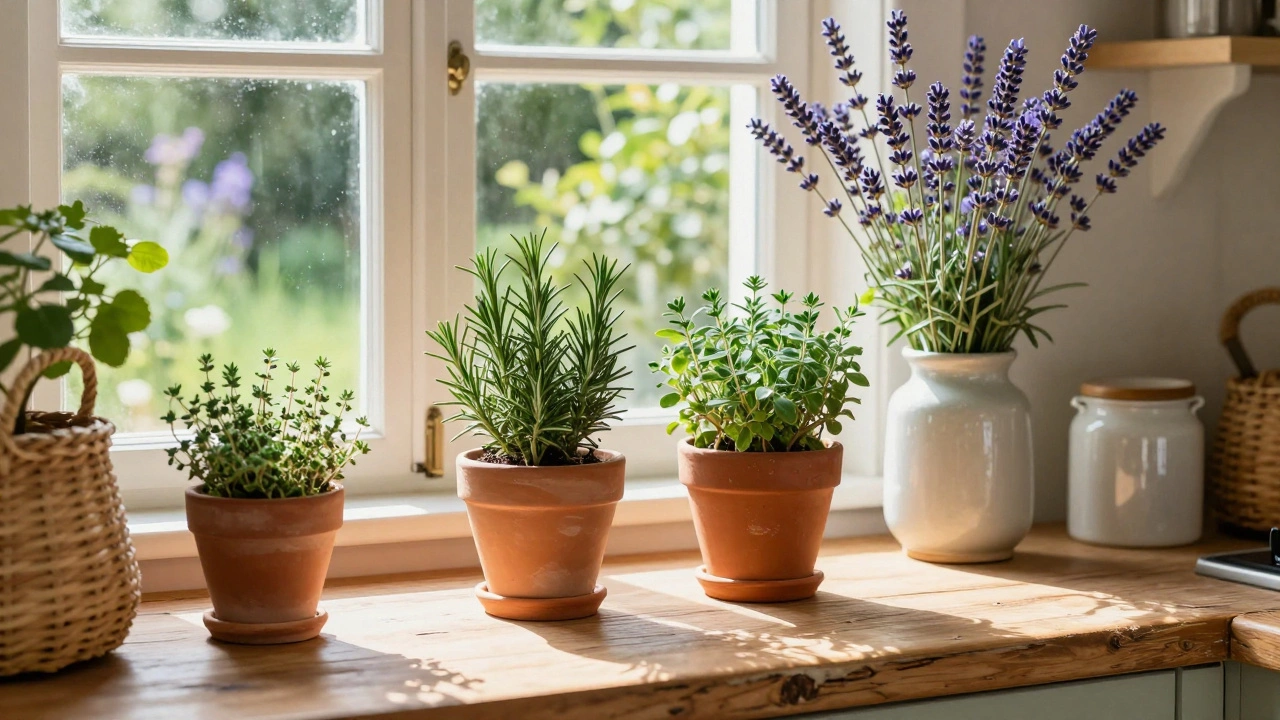
Herb gardens on the windowsill, potted ferns in corners, and hanging flower baskets near the entrance bring life into the home. Fresh flowers, picked from the garden or bought from a local market, are a staple of cottage decor. They change with the seasons, keeping the interior fresh and relevant.
Kitchens in particular benefit from this connection. An open-plan kitchen with a view of the backyard, or a breakfast nook with a window seat, enhances the feeling of living close to nature. Use natural stone countertops and wooden cabinets to reinforce this link.
Modern Adaptations: Cottage Core vs. Traditional
With the rise of social media, 'Cottagecore' has become a distinct sub-genre of country cottage style. While traditional cottage design focuses on authenticity and historical accuracy, Cottagecore is more whimsical and idealized. It emphasizes baking bread, reading books by the fire, and wearing flowy dresses.
For homeowners, this means incorporating more decorative elements. Think of lace curtains, vintage tea sets, and fairy lights. It is less about the structural integrity of the building and more about the lifestyle it represents. Both approaches are valid, but it is important to decide which direction suits your personality. Do you want a home that feels historically accurate, or one that feels like a storybook?
Common Mistakes to Avoid
When attempting to recreate this style, it is easy to fall into the trap of excess. Too many patterns can create visual chaos. Too much clutter can make a small space feel cramped. Here is how to keep your cottage style balanced:
- Avoid Matching Sets: Furniture should look collected over time, not bought from a single catalog. Mix styles, eras, and materials.
- Don't Ignore Maintenance: Rustic does not mean dirty. Regular cleaning and upkeep ensure that the wear and tear look intentional, not neglected.
- Limit Tech Visibility: Hide televisions and computers behind cabinetry or artwork. Technology disrupts the timeless feel of the cottage aesthetic.
- Respect Scale: Keep furniture proportional to the room. Oversized pieces can overwhelm a small cottage space.
By focusing on quality over quantity and choosing pieces with genuine character, you can create a home that feels both stylish and deeply personal. The country cottage style is ultimately about comfort, history, and a connection to the natural world. It invites you to slow down, relax, and enjoy the simple pleasures of life.
What is the difference between country cottage style and farmhouse style?
While both styles share rustic elements, country cottage style is generally more ornate, cozy, and focused on natural materials like stone and timber with a sense of history. Farmhouse style is often cleaner, more functional, and may include modern amenities and simpler lines. Cottages feel older and more romantic; farmhouses feel practical and agricultural.
Can I achieve country cottage style in an apartment?
Yes, absolutely. Focus on the interior elements: use natural textiles like linen and wool, incorporate wooden furniture, add plenty of plants, and choose a warm, earthy color palette. Layer rugs and throws to create texture. You don't need a thatched roof to capture the cozy spirit of a cottage.
What are the best plants for a country cottage garden?
Traditional cottage gardens feature a mix of vegetables, herbs, and flowers. Roses (especially climbing varieties), lavender, foxgloves, hollyhocks, and delphiniums are classics. Herbs like rosemary, thyme, and sage add scent and utility. Allow some self-seeding to create a natural, slightly wild look.
Is country cottage style expensive to implement?
It does not have to be. The style thrives on second-hand finds, antiques, and DIY projects. Thrift stores, flea markets, and online marketplaces are great sources for unique furniture and decor. The key is curating items with character rather than buying new, mass-produced sets.
How do I light a country cottage interior effectively?
Avoid bright, cool-white LED bulbs. Opt for warm-white lighting (2700K or lower). Use multiple light sources such as table lamps, floor lamps, and wall sconces to create pools of light. Candlelight and fireplaces are essential for achieving the soft, flickering ambiance typical of cottage homes.