What Is the Most Eco-Friendly Home? A Guide to Sustainable Living
 Jun, 8 2026
Eco-Friendly Home Cost & Savings Calculator
Estimate the upfront investment and long-term savings of building or retrofitting an eco-friendly home based on passive design principles, sustainable materials, and energy independence systems.
Results
- Estimated Upfront Premium: $0
- Estimated Monthly Savings: $0
- Payback Period: 0 years
- Carbon Impact Note: -
*Calculations are estimates based on general industry standards for New Zealand and global eco-building practices. Actual costs vary by location, labor rates, and specific material choices.
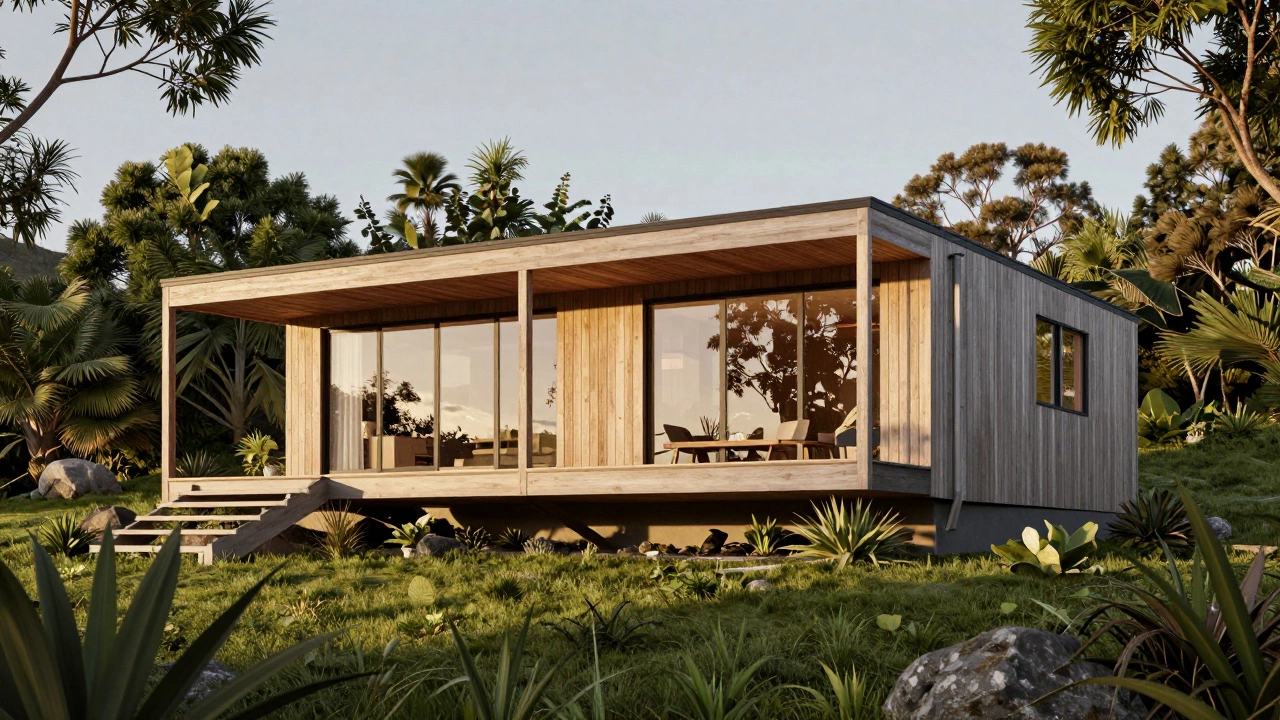
Imagine coming home after a long day in Wellington’s wind and finding your house perfectly warm without the hum of a heater or the spike on your electricity bill. That is the promise of an eco-friendly home. But what actually makes a house "the most" eco-friendly? It isn’t just about slapping solar panels on the roof or installing a composting toilet. True sustainability goes deeper, touching everything from the soil the house sits on to the insulation in the walls.
We often think of green homes as niche projects for environmentalists with deep pockets. The reality is shifting fast. With rising energy costs and stricter building codes across New Zealand and globally, sustainable design is becoming the smartest financial move you can make. This guide breaks down the core elements that define top-tier eco-friendly homes, helping you understand whether you are looking at a renovation or a new build.
The Foundation: Passive Design Principles
Before we talk about gadgets like heat pumps or battery storage, we need to talk about the house itself. The most eco-friendly homes start with Passive House design, which is a rigorous standard for energy efficiency in buildings, originating in Germany. The core idea is simple: reduce the need for energy before you try to generate it.
In our local context, this means orienting the house to catch the northern sun during winter while shading it in summer. You want large windows facing north to let light and warmth in, and smaller windows on the south side to prevent heat loss. Think of your home as a thermos. If the thermos is leaky, no amount of coffee inside will keep it hot. Similarly, if your house has poor insulation, no amount of solar power will save you money.
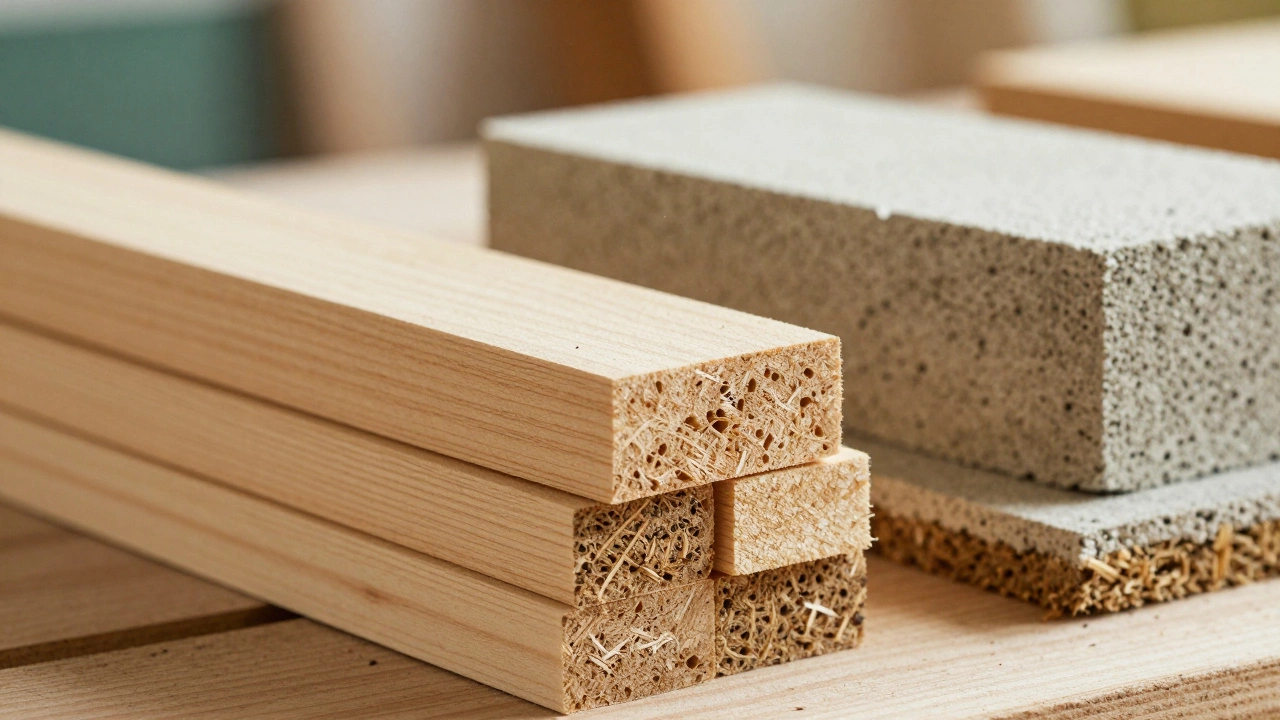
- Super-insulation: Walls, roofs, and floors must have high R-values (thermal resistance). In New Zealand, this often means using dense wood fiber boards or blown cellulose rather than traditional pink batts, which can settle over time.
- Airtightness: A blower door test should show less than 0.6 air changes per hour at 50 Pascals pressure. This prevents drafts and keeps the indoor air quality stable.
- Thermal bridge-free construction: Avoiding spots where cold metal studs touch the exterior, which creates pathways for heat to escape.
When these elements work together, the house maintains a comfortable temperature naturally. You aren’t fighting the climate; you are working with it.
Materials Matter: Embodied Carbon vs. Operational Energy
For years, the focus was solely on operational energy-how much gas or electricity you use to run the house. Today, experts look at embodied carbon too. This is the CO2 emitted during the extraction, manufacturing, and transportation of building materials. Concrete and steel have huge footprints. Timber, however, stores carbon.
The most eco-friendly homes prioritize low-carbon materials. Cross-laminated timber (CLT) is a game-changer here. It is strong enough to replace concrete in multi-story buildings but sequesters carbon instead of releasing it. Locally sourced materials also cut down on transport emissions. Using native timber from sustainably managed forests in the South Island, for example, supports local economies and reduces the carbon cost of shipping heavy materials overseas.
| Material | Embodied Carbon Impact | Durability | Sustainability Note |
|---|---|---|---|
| Concrete | High | Very High | Major source of global CO2 emissions; avoid unless necessary for structural integrity. |
| Steel | High | High | Recyclable, but energy-intensive to produce initially. |
| Cross-Laminated Timber (CLT) | Negative (Carbon Sequestration) | High | Stores carbon; renewable resource if sourced responsibly. |
| Hempcrete | Low/Negative | Medium | Excellent insulation properties; breathable and mold-resistant. |
Choosing hempcrete or straw bale insulation not only lowers your carbon footprint but also creates a healthier living environment. These materials regulate humidity naturally, reducing the risk of mold-a common issue in older New Zealand homes.
Energy Independence: Net-Zero and Beyond
Once the shell is tight and efficient, you address active systems. The goal for many modern eco-homes is Net-Zero Energy, which is a state where the house produces as much energy as it consumes annually. This is achieved through a combination of generation and efficiency.
Solar photovoltaic (PV) panels are the standard choice. However, the most effective setups pair PV with battery storage. Why? Because the sun doesn’t shine when you need heating most-in the evening. Lithium-ion batteries allow you to store excess daytime energy for nighttime use. For larger homes, integrating a ground-source heat pump can be transformative. These systems use the stable temperature of the earth to heat and cool the house, using up to 70% less electricity than conventional air conditioning units.
Water heating is another major energy drain. Solar thermal systems or heat pump water heaters can drastically cut this load. In some advanced designs, greywater recycling systems treat water from showers and sinks for reuse in toilets and irrigation, reducing both water consumption and the energy needed to pump and treat municipal water.
Biophilic Design: Connecting with Nature
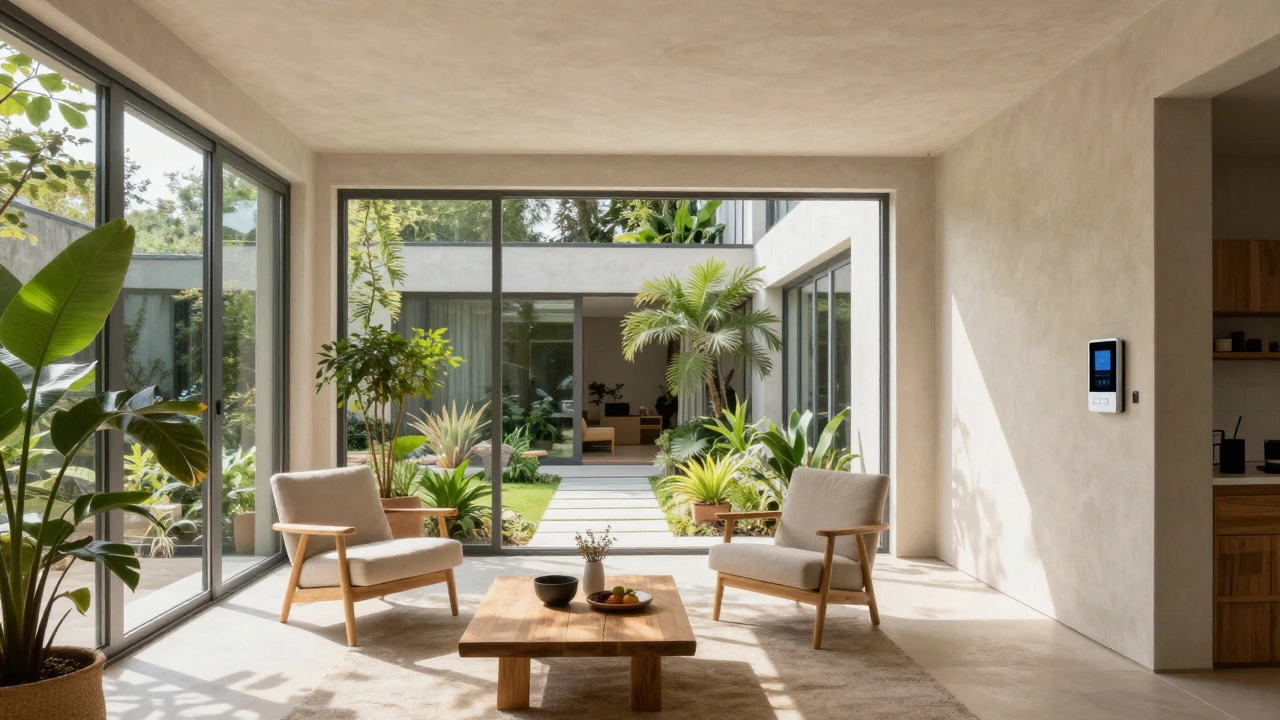
An eco-friendly home isn’t just about metrics; it’s about well-being. Biophilic design integrates natural elements into the built environment. This isn’t just aesthetic-it improves mental health and reduces stress. Large windows, indoor plants, natural light, and views of greenery are essential components.
In practice, this might mean designing a central courtyard that brings light into the heart of the house, or using natural finishes like clay plaster and untreated wood. These materials age gracefully and don’t off-gas volatile organic compounds (VOCs), which are common in synthetic paints and adhesives. Breathing clean air indoors is a fundamental aspect of sustainable living.
The Role of Smart Technology
Technology plays a supportive role in maintaining efficiency. Smart thermostats learn your habits and adjust heating and cooling accordingly, preventing waste. Leak detectors can shut off water supplies automatically if a burst pipe is detected, saving thousands of liters. Energy monitoring systems give you real-time feedback on usage, empowering you to change behaviors.
However, technology should not be a crutch. A smart home with poor insulation will still be inefficient. Always prioritize the physical envelope first, then layer on technology to optimize performance.
Cost vs. Long-Term Value
Let’s address the elephant in the room: cost. Building to Passivhaus standards or using CLT can increase upfront construction costs by 10-20%. But this investment pays back quickly through lower utility bills. In New Zealand, where electricity prices fluctuate, energy independence provides financial security.
Moreover, green homes hold their value better. Buyers are increasingly aware of energy efficiency ratings. A home with a Homestar or Green Star certification commands a premium in the market. You are not just buying a house; you are investing in resilience against future climate risks and regulatory changes.
Is it possible to make an existing home more eco-friendly?
Absolutely. While new builds offer the best chance for optimization, retrofits can significantly improve efficiency. Start with air sealing and adding insulation to walls and roofs. Upgrade windows to double or triple glazing. Install a heat pump for heating and cooling. These steps can reduce energy use by 30-50% without a full rebuild.
What is the difference between Passive House and Net-Zero?
Passive House focuses on reducing energy demand through superior insulation and airtightness. Net-Zero focuses on generating as much energy as the house uses. The best homes combine both: they are designed to be Passive House certified and then equipped with solar panels to achieve Net-Zero status.
Are eco-friendly homes more expensive to maintain?
Generally, no. High-quality materials like CLT and natural plasters are durable and require less maintenance than synthetic alternatives. Mechanical systems like heat pumps have fewer moving parts than furnaces, leading to lower repair costs. The main ongoing cost is typically minimal electricity for lighting and appliances.
How do I find a builder experienced in sustainable construction?
Look for builders certified by organizations like the Passive House Institute or those with experience in Homestar-rated projects. Ask for references from previous clients who have lived in the homes for at least a year. Check their portfolio for details on insulation types, window specifications, and energy modeling reports.
Does living in an eco-friendly home affect my lifestyle?
It encourages mindfulness but doesn’t restrict freedom. You may become more conscious of water and energy use, but the comfort levels are often higher due to stable temperatures and fresh air. Many residents report sleeping better and spending more time at home because the environment is so pleasant.