What is the New Cottage Style? Modern Country Living Trends
 Apr, 23 2026
New Cottage Style Room Planner
Select your current room vibe and the goal you want to achieve to get a personalized New Cottage style transition guide.
Your New Cottage Transition Plan
Suggested Palette
Action Steps
The Shift Toward a New Kind of Cozy
Forget the image of a dusty, dark attic room with floral curtains that smell like mothballs. The new cottage style isn't about mimicking a museum from the 1920s; it's about blending the nostalgic warmth of the countryside with the clean lines and functionality of 2026. It is a reaction to our screen-saturated lives. After years of minimalism and those stark, "grey-on-grey" modern apartments, people are craving something that actually feels like a home. This style is less about a specific architectural blueprint and more about a feeling-specifically, the feeling of safety, comfort, and a slower pace of life.
If you've spent any time on social media, you've likely seen Cottagecore is an internet aesthetic that romanticizes rural life, emphasizing simple living, gardening, and traditional crafts. While Cottagecore started as a digital fantasy, the new cottage style is the real-world application of those dreams. It takes the whimsical elements of the trend-think dried flowers and linen aprons-and anchors them with practical, high-quality design that works for a modern family.
| Feature | Traditional Cottage | New Cottage Style |
|---|---|---|
| Color Palette | Heavy florals, dark woods, beiges | Muted earth tones, sage green, warm whites |
| Furniture | Heavy antiques, oversized armchairs | Mixed vintage finds with streamlined silhouettes |
| Layout | Small, compartmentalized rooms | Open-concept layouts with cozy "nooks" |
| Vibe | Cluttered, rustic, historical | Curated, airy, mindful |
Bringing the Outdoors In
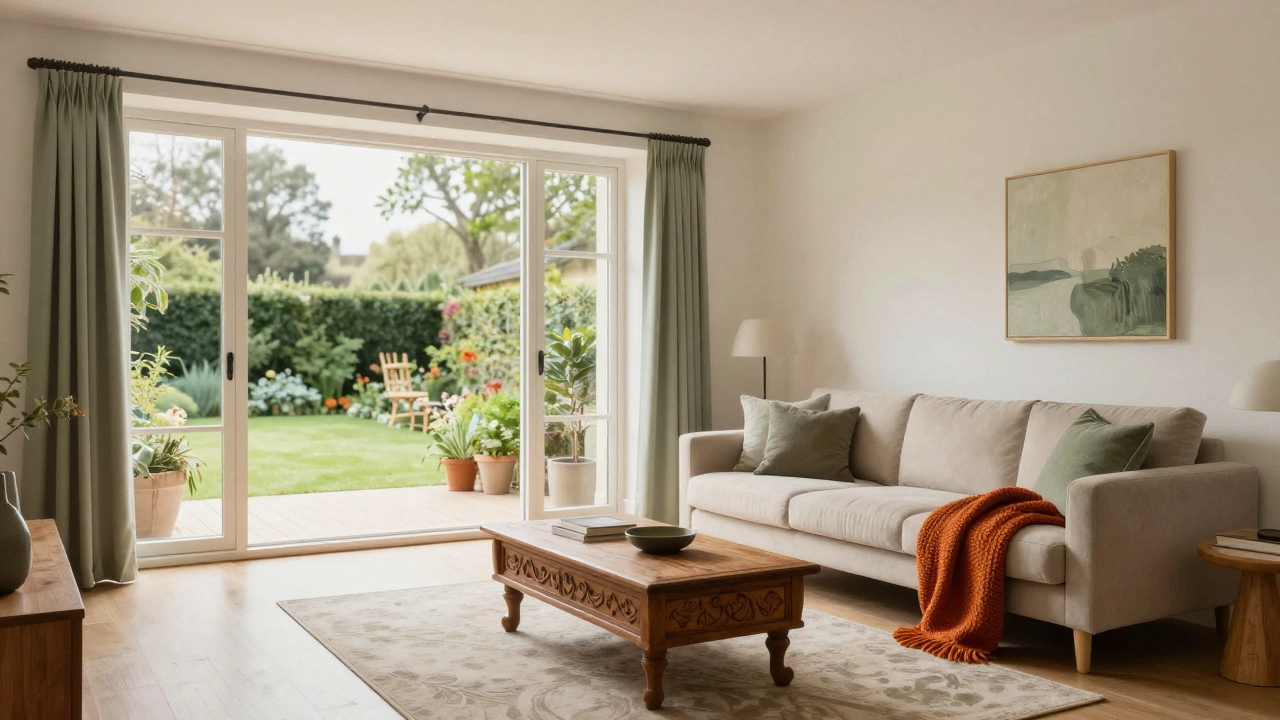
One of the biggest hallmarks of this movement is the erasure of the line between the garden and the living room. It's not just about having a few potted plants on a windowsill. We're talking about Biophilic Design, which is the practice of incorporating nature directly into the built environment to improve health and well-being. This manifests as large, uncurtained windows that let in maximum natural light and the use of raw, organic materials that feel tactile and honest.
Think about a reclaimed oak dining table where you can still feel the grain of the wood, or a limestone floor that stays cool in the summer. The new cottage style favors materials that age gracefully. Instead of buying a plastic-coated "rustic-look" table from a big-box store, people are hunting for authentic pieces at estate sales or using Sustainable Wood like FSC-certified maple or walnut. When a piece of furniture develops a scratch or a patina over time, it's not seen as damage; it's seen as a story.
The Color Palette: Beyond the Beige
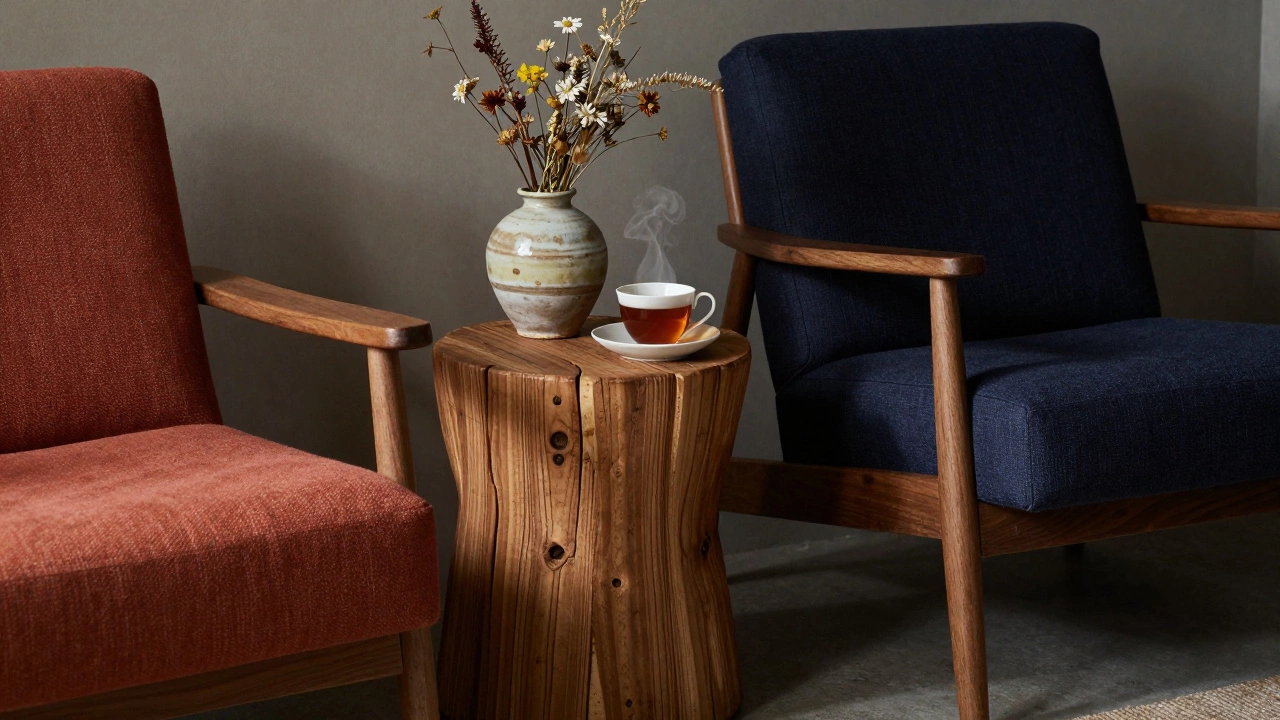
While traditional country homes relied heavily on cream and white, the new style embraces a more sophisticated, moody palette. We're seeing a lot of "dusty" colors-shades that look like they've been faded by the sun. Sage green, terracotta, and a deep, muted navy are replacing the stark whites of the previous decade. These colors are designed to evoke the landscape: the green of a rolling hill, the red of a clay roof, or the grey of a misty morning.
The trick to making this work without making a room feel small is the "layered' approach. Start with a neutral base-perhaps a warm off-white-and layer in colors through textiles. A chunky knit throw in a burnt orange hue or a set of linen napkins in a soft moss green adds depth without overwhelming the space. It creates a visual warmth that makes you want to curl up with a book and a cup of tea, even if you're in the middle of a city.
Curating the "Collected" Look
There is a huge difference between a house that looks cluttered and a house that looks collected. The new cottage style is all about the latter. It rejects the idea of matching furniture sets. Why buy a bedroom set where the nightstands, dresser, and bed all look identical? That feels like a hotel, not a home. Instead, the goal is to mix eras and styles in a way that feels accidental but intentional.
You might pair a sleek, modern Mid-Century Modern lounge chair with a heavy, carved wooden coffee table from the 1800s. The tension between the clean lines of the 1950s and the ornate carvings of the Victorian era creates a dynamic energy. The key is to find one common thread-like a consistent color palette or a shared material-to tie the mismatched pieces together.
Handmade items are the heartbeat of this style. Whether it's a hand-thrown ceramic vase from a local potter or a quilt stitched by a grandparent, these items provide the emotional weight that mass-produced items lack. It's a shift away from consumerism and toward Slow Living, which is a lifestyle choice that emphasizes a slower pace of life and a conscious approach to daily activities. When you surround yourself with things that took time to create, you naturally start to slow down yourself.
Creating Functional Cozy Spaces
Modern life requires technology, but the new cottage style tries to hide the "digital noise." We're seeing a rise in "hidden tech"-cabinets that conceal routers and charging stations, or televisions that look like framed art. The goal is to ensure that the atmosphere of the room isn't interrupted by a glowing plastic box. The focus shifts back to human interaction and tactile experiences.
Creating "nooks" is another essential strategy. A window seat with a plush cushion, a reading corner with a dedicated lamp, or a small breakfast nook with a circular table. These are small architectural interventions that carve out space for mindfulness. Instead of one giant room where everyone is just "present," these zones allow for individual moments of peace within a shared home.
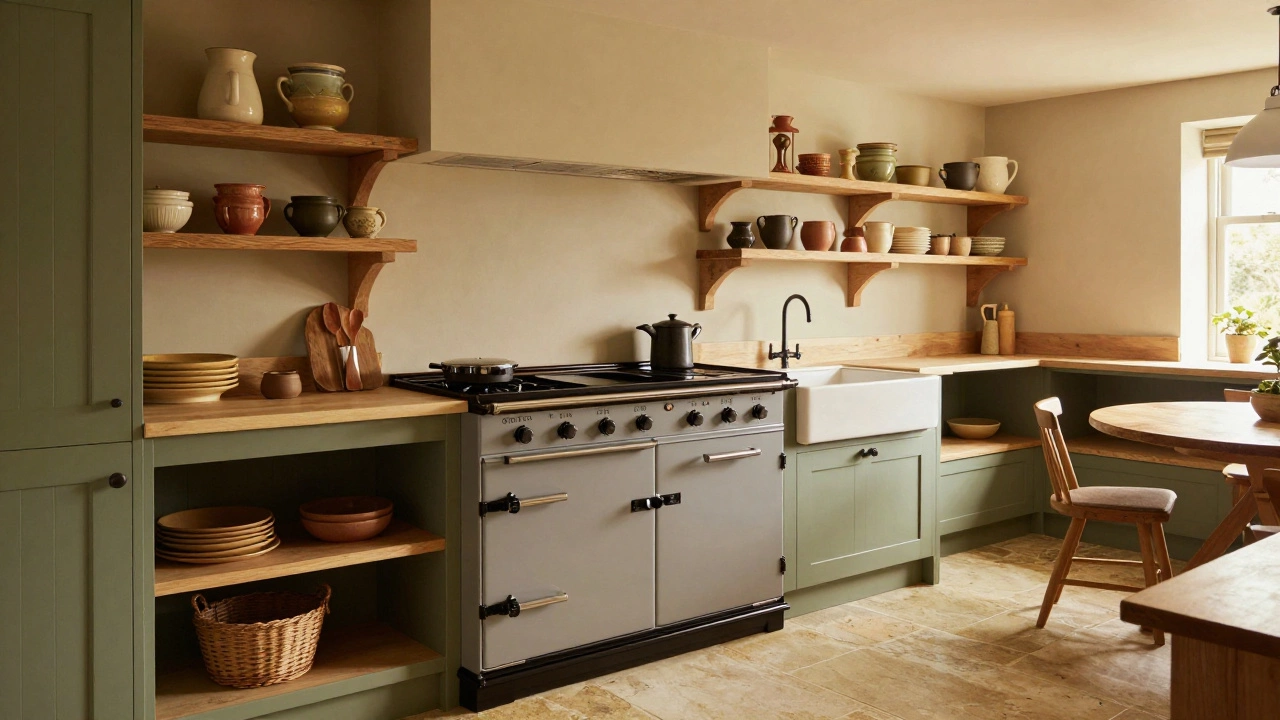
In the kitchen, the trend is moving away from the clinical, all-white "chef's kitchen." Instead, we're seeing open shelving made of raw wood, farmhouse sinks, and a return to the Aga Cooker or similar heavy-duty ranges that serve as the focal point of the room. The kitchen is no longer just a place to prep food; it's the warm heart of the home where the coffee is always brewing and the oven is always warm.
Is new cottage style the same as Shabby Chic?
Not exactly. Shabby Chic, popular in the 80s and 90s, relied heavily on distressed white paint, lace, and a very specific "worn-out" look. The new cottage style is more grounded and versatile. It uses a broader range of colors, incorporates modern furniture, and focuses more on authentic sustainability and biophilic elements than on purely decorative "distressing."
Can I achieve this look in a small city apartment?
Absolutely. You don't need a literal cottage in the woods. Focus on the "feeling" by adding natural textures (linen, wool, wood), bringing in plenty of greenery, and choosing a muted, earthy color palette. Swap out one piece of modern furniture for a vintage find and focus on creating one cozy nook, like a reading chair by the window.
What are the must-have materials for this style?
Focus on organic and tactile materials. Linen curtains, wool throws, reclaimed wood, terracotta pots, and natural stone (like marble or slate) are essential. Avoid high-gloss plastics and synthetic fabrics like polyester, which clash with the grounded, natural vibe of the new cottage style.
How do I avoid making my home look too cluttered?
The secret is the "curated" approach. Instead of filling every surface with knick-knacks, group your items in odd numbers (the rule of three) and leave plenty of negative space. Ensure every piece has a purpose or a deep emotional connection. If you're not sure, take everything off a shelf and only put back the items that truly tell a story about your life.
What colors should I avoid?
Avoid stark, cold whites, neon colors, and very high-contrast blacks and whites. These can make a space feel clinical or too "modern minimalist," which is the opposite of the cozy, enveloping feeling the new cottage style aims to achieve. Opt for cream, oatmeal, or soft grey instead of pure white.