What Makes a House a Cottage? Defining the Charm of Country Cottages
 Jun, 18 2026
Is Your Home a True Cottage?
Question goes here
Result Title
Description goes here.
Have you ever stood in front of a small, charming house with a sloping roof and stone walls and thought, "That’s definitely a cottage"? Now look at a similar-sized modern boxy structure nearby. It might have the same square footage, but it doesn’t feel like a cottage. Why? The difference isn't just in the size or the location. It is in the soul of the building.
In 2026, as we see a surge in interest in country cottages rustic homes typically found in rural settings, characterized by traditional materials and intimate scale, understanding what actually defines this architectural style matters more than ever. Whether you are looking to buy your first retreat, renovate an old property, or simply understand the aesthetic that makes these homes so popular on social media, knowing the core elements is key. A cottage is not just a small house; it is a specific type of dwelling that prioritizes connection to nature, historical craftsmanship, and a sense of shelter over sheer space.
The Historical Roots: From Humble Beginnings to Modern Desire
To understand what makes a house a cottage, we have to look back. The word "cottage" comes from the Old English "cot," meaning a hut or shelter. Originally, these were simple dwellings built for agricultural workers or peasants. They were small because they had to be-materials were scarce, and labor was manual. This history is baked into the DNA of every true cottage.
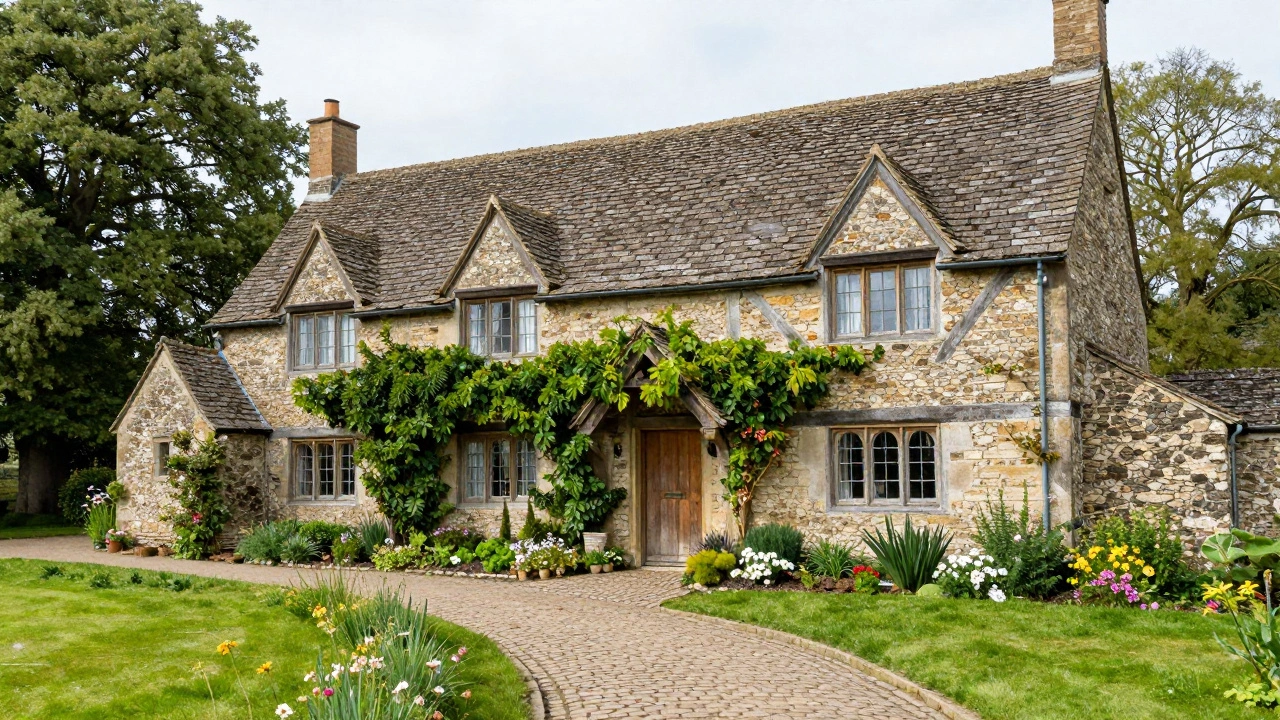
Unlike the sprawling estates of the aristocracy, cottages were designed for efficiency and warmth. They used local materials like stone, timber, and thatch. This constraint created the aesthetic we love today: asymmetry, varied textures, and a footprint that feels nestled into the landscape rather than imposed upon it. When you walk into a genuine cottage architecture a building style emphasizing rustic charm, natural materials, and human-scale proportions, you are experiencing centuries of practical design. The low ceilings keep heat close to the floor in winter. The small windows protect against harsh winds while letting in enough light. These weren't choices made by architects trying to create a vibe; they were survival strategies that evolved into a beloved style.
Key Architectural Features That Define a Cottage
If you want to identify a cottage, look for these specific physical traits. While styles vary from region to region-whether it's a New Zealand bach, a French gîte, or an English thatched-roof home-the core principles remain consistent.
- Scale and Proportion: Cottages are inherently human-scaled. They rarely exceed two stories. The rooms are compact, often multi-functional, and designed to bring people together. High, vaulted ceilings are a red flag; cottages favor lower, cozier headroom.
- Natural Materials: Authenticity is king. You will see exposed timber beams, stone foundations, brickwork, or stucco. Synthetic siding or sleek aluminum cladding usually disqualifies a home from being considered a true cottage in spirit, even if it mimics the look.
- Asymmetrical Facades: Symmetry suggests formality and grandeur. Cottages are casual. Look for off-center doors, mismatched window sizes, and additions that seem to have been added over time. This "jagged" edge gives the home character.
- Steeply Pitched Roofs: Whether covered in slate, tile, or thatch, the roof is a dominant feature. The steep pitch helps shed rain and snow quickly, which is crucial in rural environments. Dormer windows often poke out, adding to the whimsical appearance.
- Connection to the Ground: Cottages sit close to the earth. Basements are rare or unfinished. Instead, you’ll find gardens wrapping around the foundation, patios that blur the line between inside and outside, and large rear doors leading directly to green spaces.
The Atmosphere: Coziness vs. Clutter
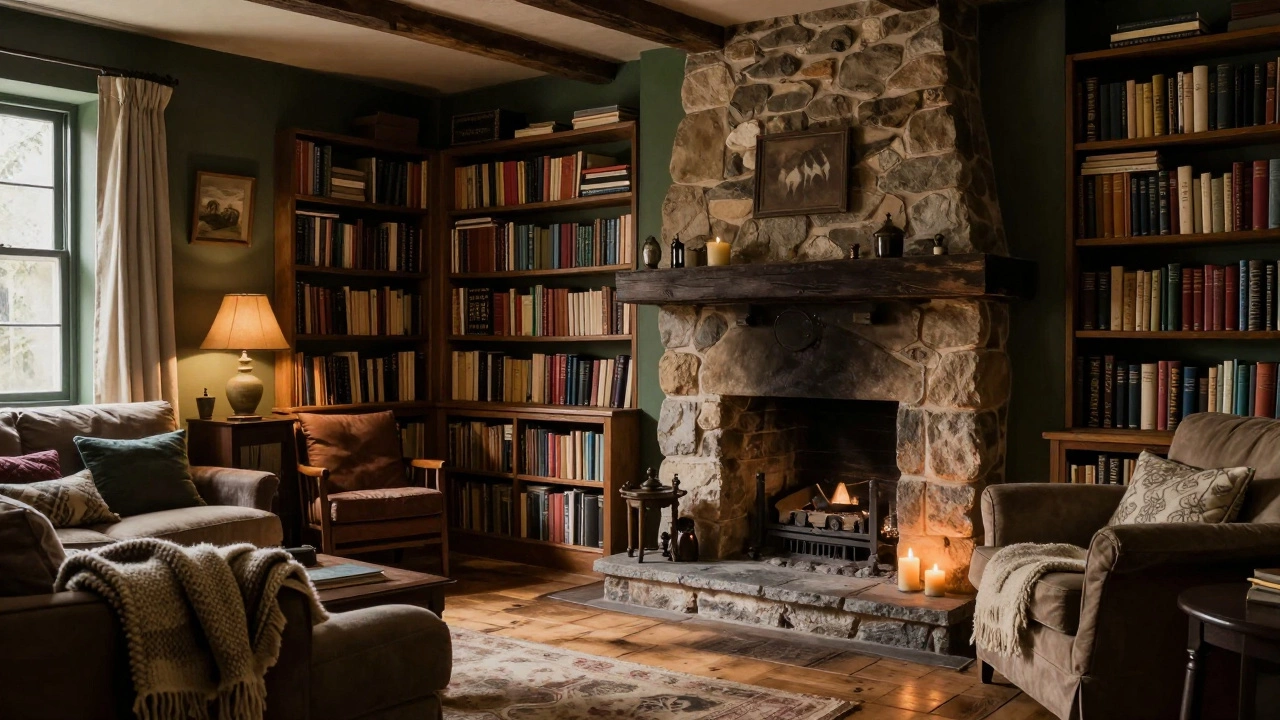
There is a feeling associated with cottages that is hard to quantify but easy to recognize. We call it "coziness," but that’s a bit vague. In design terms, it’s about intimacy and texture. A cottage interior feels wrapped. Walls might be lined with bookshelves, fabrics are heavy and tactile (think wool throws and linen curtains), and lighting is warm and layered.
This is where many modern renovations go wrong. They strip out the original character to make the space feel "bright and airy." But a bright, sterile box is not a cottage. The charm lies in the imperfections. A slightly uneven floorboard, a fireplace that dominates the living room, or a kitchen that feels like a pantry-all these elements contribute to the narrative of the home. The goal is to create a sanctuary that feels separate from the fast-paced world outside. In our current era of digital overload, this psychological separation is perhaps the most valuable asset a cottage offers.
Cottages vs. Cabins vs. Bungalows: Clearing the Confusion
People often use these terms interchangeably, but there are distinct differences. Understanding them helps you pinpoint exactly what you are looking for.
| Feature | Cottage | Cabin | Bungalow |
|---|---|---|---|
| Primary Material | Stone, brick, timber, stucco | Log, heavy timber framing | Wood siding, shingles |
| Location Context | Rural village, countryside, garden setting | Forest, mountain, remote wilderness | Suburban neighborhood, urban fringe |
| Roof Style | Steep pitch, complex shapes | Gable end, simple pitch | Low pitch, wide eaves |
| Vibe | Charming, historic, domestic | Rugged, utilitarian, adventurous | Practical, accessible, suburban |
| Typical Age | Often older, pre-1950s origins | Varies, often mid-20th century or newer | Early 20th century to present |
A cabin is rugged. It’s built to withstand harsh weather in isolated areas. Think log structures and large glass walls facing a view. A bungalow is a single-story house, often part of a subdivision, focusing on accessibility and simplicity. A cottage, however, implies a certain level of domestic refinement mixed with rustic roots. It’s a place for tea and reading, not just sleeping after a hike.
The Modern Cottage Movement in 2026
We are seeing a resurgence in cottage living, driven by a desire for sustainability and mental well-being. The "tiny house" movement has evolved into the "cottagecore" lifestyle, where people seek smaller footprints without sacrificing comfort or beauty. This isn't just nostalgia; it's a pragmatic response to high energy costs and environmental concerns.
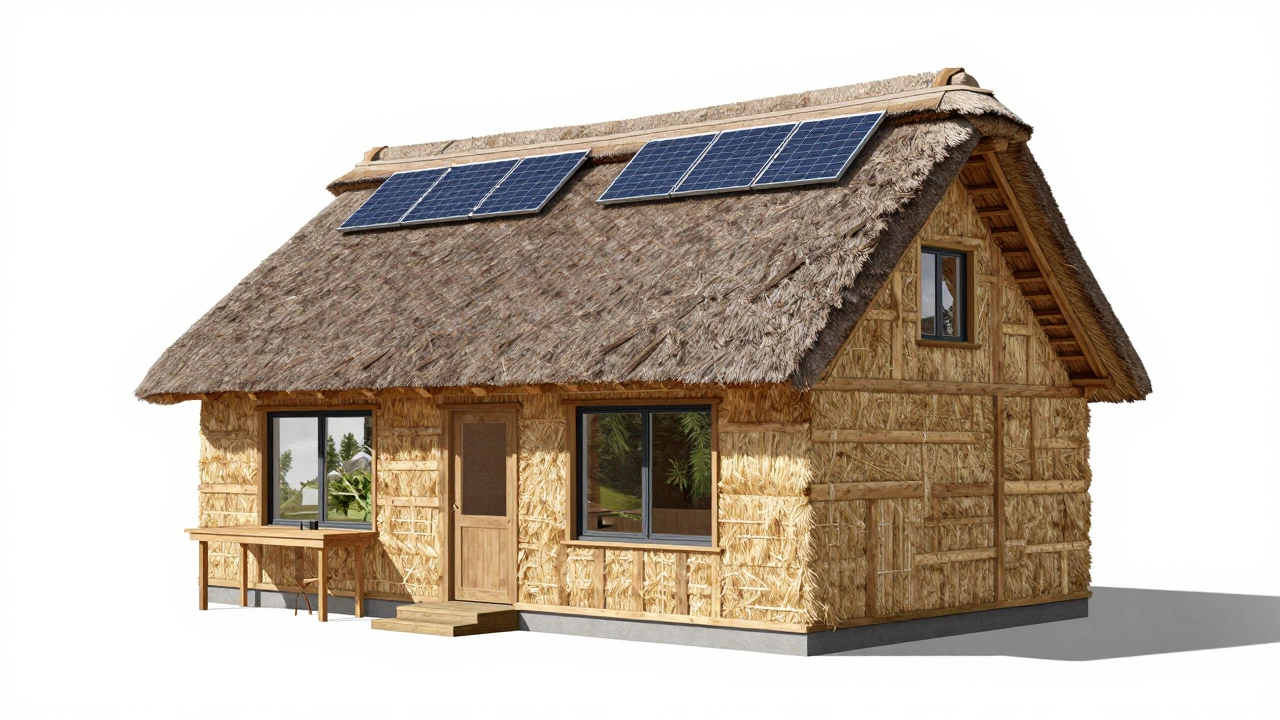
Modern eco-friendly cottages sustainable homes designed with passive heating, renewable materials, and minimal environmental impact incorporate solar panels, rainwater harvesting, and superior insulation while maintaining traditional aesthetics. For example, using reclaimed timber for flooring reduces carbon footprint while adding instant character. Straw bale construction, once seen as primitive, is now recognized for its incredible thermal performance and non-toxic nature.
Furthermore, the rise of remote work has changed how we use these spaces. A cottage no longer needs to be a weekend-only escape. With high-speed internet reaching rural areas, many professionals are converting old farmhouses into full-time residences. This shift requires adapting the cottage model: adding dedicated office nooks that don't disrupt the cozy flow, ensuring robust connectivity, and creating outdoor workspaces that leverage the natural surroundings.
How to Achieve the Cottage Look in Any Home
You don’t need to move to the countryside to enjoy the benefits of cottage design. If you live in an apartment or a suburban house, you can adopt the principles.
- Embrace Texture: Swap smooth surfaces for rough ones. Add a jute rug, a knitted blanket, or a wooden cutting board on display. Texture creates visual warmth.
- Lower the Light: Avoid harsh overhead fluorescents. Use table lamps, floor lamps, and candles. Warm color temperatures (2700K or lower) mimic firelight, which is central to the cottage experience.
- Add Greenery: Bring the outside in. Potted herbs in the kitchen, trailing plants on shelves, and fresh flowers on the table connect you to the seasons.
- Curate, Don't Decorate: Cottages feel lived-in. Display books you’ve read, photos of family, and heirlooms. Avoid matching sets. Eclectic collections tell a story.
- Create Nooks:** Carve out small, enclosed spaces for reading or thinking. A bay window seat, a corner with a ladder shelf, or a closet converted into a meditation spot can transform a generic room into a cottage-like retreat.
Common Pitfalls to Avoid
When aiming for the cottage aesthetic, it’s easy to tip into kitsch or clutter. Here is what to watch out for:
- Over-styling: Don’t fill every inch with decor. Negative space allows the eye to rest. A cottage should feel inviting, not cramped.
- Fake Rustic: Avoid mass-produced "faux-distressed" furniture. Real wear and tear looks different from factory-applied scratches. Invest in quality pieces that will age gracefully.
- Ignoring Function: Charm shouldn’t compromise comfort. Ensure your plumbing, electrical systems, and insulation meet modern standards. A beautiful drafty house is miserable in winter.
Ultimately, what makes a house a cottage is the intention behind it. It is a choice to prioritize warmth, community, and connection to nature over status and size. In a world that often feels cold and disconnected, the cottage remains a powerful symbol of home.
Is a cottage always small?
Traditionally, yes. Cottages were defined by their modest size due to economic constraints. However, in modern usage, the term can apply to larger homes that retain the aesthetic characteristics of cottages, such as pitched roofs, natural materials, and a cozy atmosphere. The key is proportion and feel, not just square footage.
Can a new build be considered a cottage?
Absolutely. Many architects today design "new build cottages" that use contemporary sustainable techniques but adhere to traditional forms. As long as the design respects the core principles of scale, materiality, and integration with the landscape, a new home can fully embody the cottage spirit.
What is the difference between a cottage and a cabin?
A cabin is typically located in a wilder, more remote setting like a forest or mountain and is often constructed primarily of logs or heavy timber. It has a rugged, utilitarian vibe. A cottage is usually situated in a rural village or countryside setting, uses varied materials like stone and brick, and emphasizes domestic comfort and charm over ruggedness.
Are cottages energy efficient?
Older cottages can be drafty and inefficient due to poor insulation and single-pane windows. However, their small size means they require less energy to heat and cool than larger homes. Modern retrofits or new builds can achieve high energy efficiency by combining traditional thick walls (which have high thermal mass) with modern insulation and airtight sealing techniques.
What are the best materials for a cottage exterior?
Authentic cottage exteriors use locally sourced, natural materials. Common choices include stone, brick, stucco, timber shingles, and thatch. These materials not only provide the desired aesthetic but also tend to age beautifully, developing a patina that adds to the home's character over time.