What Months Are the Cheapest to Go All-Inclusive?
 Jan, 8 2026
All-Inclusive Vacation Savings Calculator
Find Your Best Value
Enter your destination and peak-season price to see potential savings during the cheapest booking months.
Potential Savings:
Estimated Off-Peak Price
$ per night
(Based on 40% average discount during shoulder season)
Why This Works
May, September, and October are the cheapest months because resorts offer deep discounts during shoulder season. These months coincide with hurricane season in the Caribbean and rainy season in Central America, but most storms don't directly impact resorts. You'll get the same all-inclusive experience at 40% lower prices, with more space and personalized service.
Want to get the most out of your all-inclusive vacation without breaking the bank? You’re not alone. Most people assume all-inclusive resorts are expensive year-round-but that’s not true. The truth is, prices drop hard during certain months, sometimes by 40% or more. The key isn’t just booking early. It’s booking at the right time of year.
When Do All-Inclusive Prices Drop the Most?
The cheapest months to book an all-inclusive resort are typically May, September, and October. These months fall right after the peak winter season and before the holiday rush. Resorts in the Caribbean, Mexico, and even parts of Southeast Asia slash prices to fill rooms during what’s called the "shoulder season."
Why? Because these months overlap with hurricane season in the Caribbean and rainy season in places like Costa Rica and Thailand. Tourists avoid them-not because they’re bad, but because they’re less predictable. But here’s the thing: most storms don’t hit the resorts directly. And even when they do, resorts often offer refunds, credits, or free upgrades to make up for it.
In May, you’ll find deals in Cancun, Punta Cana, and Jamaica that are half the price of March. September and October are even better. That’s when hotels are desperate to fill beds before the winter rush. I’ve seen all-inclusive packages for $89 per night in Puerto Vallarta in late September-complete with unlimited food, drinks, and nightly entertainment. That’s less than what you’d pay for a hotel room and dinner in a city like New York.
Why These Months Work (And Why Others Don’t)
Let’s break down the calendar. The most expensive months are December through April. That’s when Northern Hemisphere travelers escape winter. Resorts charge premium rates because demand is high and supply is low. Even holidays like Presidents’ Day or spring break can spike prices.
June, July, and August are also pricey in many destinations. That’s because families are on vacation, schools are out, and everyone’s trying to get to the beach. You’ll pay more for the same room, same food, same pool-but now you’re sharing it with screaming kids and long lines at the buffet.
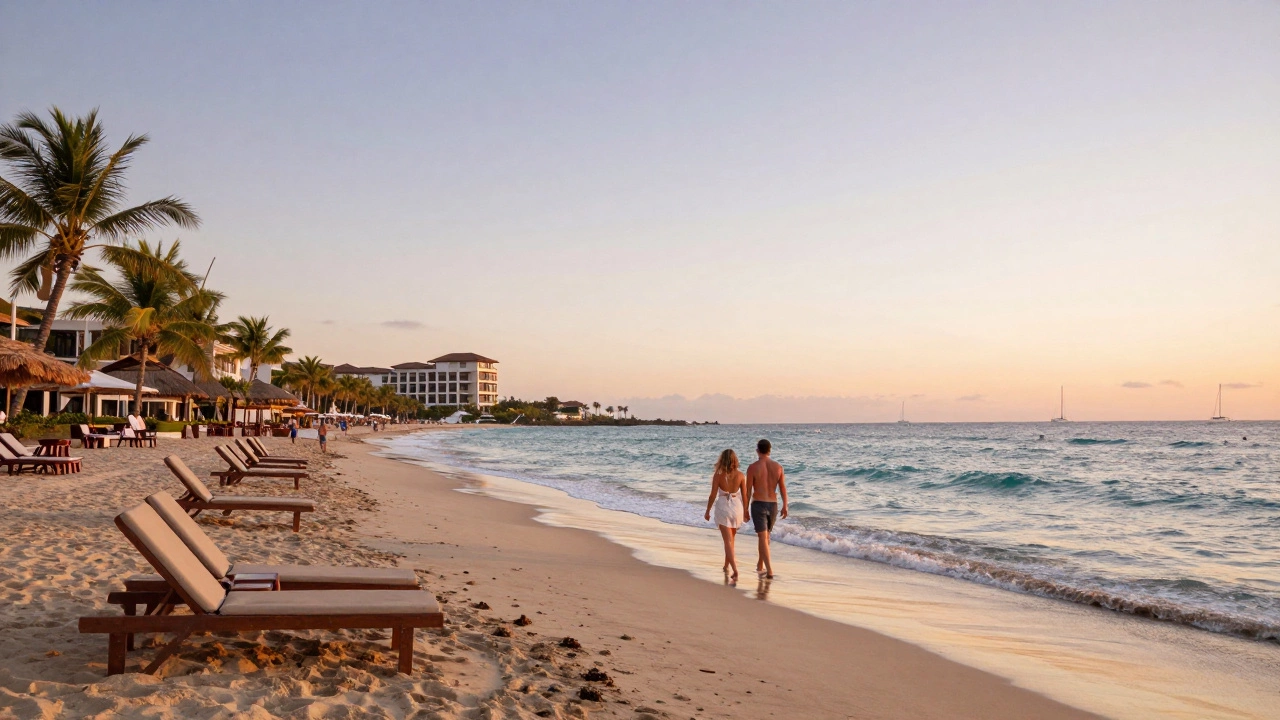
By contrast, May, September, and October are quiet. The crowds are gone. The staff has more time for you. The pools aren’t packed. The beach is yours to walk alone at sunset. And because resorts still need revenue, they offer discounts that look like mistakes.
There’s one exception: Central America. In places like Nicaragua or Panama, the rainy season starts in May and lasts until November. That means prices drop even earlier and stay low longer. If you don’t mind occasional afternoon showers, you can get a five-star all-inclusive for under $100 a night in June or July.
What You Get When You Book Off-Season
Some people think off-season means lower quality. It doesn’t. The same resorts, same chefs, same pools. The only difference? Fewer people. You’ll still get unlimited cocktails, gourmet buffets, and nightly shows. Some resorts even upgrade you to a higher room category because they have extra space.
Here’s what you’re really buying: time. Time to eat at your own pace. Time to get a sunbed by the pool without fighting for it. Time for the bartender to remember your name. Time to actually relax.
One traveler I spoke with booked a trip to the Dominican Republic in October. She got a free spa treatment, a complimentary dinner at the resort’s lobster restaurant, and a room upgrade-all because the resort was under capacity. She didn’t ask for any of it. They just gave it to her.

What to Avoid When Booking Cheap All-Inclusive Deals
Not all cheap deals are good deals. Watch out for these red flags:
- Hidden fees: Some resorts advertise low nightly rates but charge extra for premium drinks, Wi-Fi, or airport transfers. Make sure the package says "all-inclusive"-not "mostly inclusive."
- Location traps: A resort might be cheap because it’s miles from the beach or in a sketchy neighborhood. Check Google Street View and recent reviews. Look for mentions of safety, cleanliness, and actual beach access.
- Travel insurance gaps: If you’re booking during hurricane season, get travel insurance that covers weather disruptions. Most standard policies won’t cover it unless you buy a "cancel for any reason" upgrade.
- Booking too far in advance: The best deals appear 6-8 weeks before departure. Booking six months ahead might lock you into a higher rate. Wait until mid-August for September deals, or early April for May deals.
Where to Find the Best Off-Season Deals
Don’t rely on big booking sites like Expedia or Booking.com. They often show inflated prices and don’t highlight seasonal discounts. Instead, try these:
- Resort direct websites: Resorts often offer better rates on their own sites. Look for a "Special Offers" or "Last Minute Deals" tab.
- Travel newsletters: Sign up for newsletters from companies like Travelzoo, Secret Escapes, or All-Inclusive.com. They send out exclusive deals every Tuesday and Thursday.
- Facebook groups: Search for "All-Inclusive Deals 2026" or "Caribbean Travel Bargains." Real people post unadvertised deals here-sometimes for rooms that were just canceled.
- Travel agents who specialize in resorts: A good agent knows which resorts are overstocked and can get you perks like free breakfast, spa credits, or late checkout.

Real Examples from 2025
Last year, a couple from Toronto booked a 7-night all-inclusive in Cancun for $620 total-$89 per night-in late September. They flew on a red-eye, stayed at a 4-star resort with a private beach, ate at five different restaurants, and drank premium rum all week. They didn’t pay a cent extra for anything.
Another family from Chicago found a 5-night package in Punta Cana for $1,100 in May. That included two adults and two kids under 12. The resort had a kids’ club, water park, and nightly dance shows. They saved over $2,000 compared to booking in January.
These aren’t outliers. They’re standard for the right time of year.
What About Weather? Isn’t It Rainy?
Yes, it rains more in May and September. But here’s what most people don’t realize: it rarely rains all day. In most all-inclusive destinations, rain comes in short, heavy bursts-usually in the late afternoon or overnight. The sun comes back by 4 p.m.
Think of it like this: you’re paying for a resort with indoor dining, pools, and entertainment. Rain doesn’t ruin your vacation. It just gives you a reason to try the rum tasting or the cooking class.
And if a storm does hit? Most resorts have contingency plans. They’ll move you to a different room, offer a credit for a future stay, or even fly you out early if needed. You’re not stuck.
Final Tip: Book Smart, Not Early
The biggest mistake people make? Booking too soon. The best deals don’t appear until 6-8 weeks before departure. That’s when resorts start seeing low occupancy and panic a little. That’s when they drop prices.
Set up alerts on Google Flights and the resort’s website. Check every Tuesday and Thursday. That’s when most deals go live. And if you see a price that seems too good to be true? It probably is-but not always. Sometimes, it’s just a smart traveler getting a discount for being patient.
Next time you plan a vacation, skip the holiday rush. Wait for May. Wait for September. You’ll get the same resort, the same food, the same sun-just with fewer people, more space, and a lot less money spent.
Are all-inclusive resorts safe during hurricane season?
Yes, most all-inclusive resorts are built to handle storms and have emergency plans in place. They’re often located on higher ground, have backup generators, and staff trained for evacuations. If a storm is coming, resorts will notify guests and offer options like refunds, credits, or rebooking. Travel insurance with weather coverage adds extra protection.
Can I get a refund if my trip is canceled due to weather?
It depends on how you booked. If you booked directly with the resort, they usually offer a full credit for a future stay. If you booked through a third party, check their policy. Some offer refunds, others only credits. Travel insurance that includes "cancel for any reason" is the safest option.
Do all-inclusive resorts charge extra for alcohol in off-season?
Reputable all-inclusive resorts include all drinks-premium and local-in the price, even in off-season. Watch out for packages labeled "basic all-inclusive" or "limited drinks." Stick to resorts that say "unlimited premium spirits and wines." If it’s not clear, call the resort directly and ask.
Is it better to book a 5-night or 7-night stay for the best deal?
Seven-night stays usually offer better per-night rates. Resorts often discount longer stays to fill rooms. A 7-night package might cost only 10-15% more than a 5-night one, making the daily rate much lower. But if you’re on a tight schedule, 5 nights still get you great value-especially if you book during peak discount periods.
What’s the best destination for cheap all-inclusive vacations in 2026?
For 2026, the top picks are Mexico’s Pacific Coast (Puerto Vallarta, Riviera Nayarit), the Dominican Republic, and Nicaragua. These areas have high resort density, low demand in May and September, and strong infrastructure. Avoid places like the Bahamas or Turks and Caicos during off-season-they’re less competitive on pricing and have fewer deals.