What Size House Is Considered a Cottage?
 Mar, 15 2026
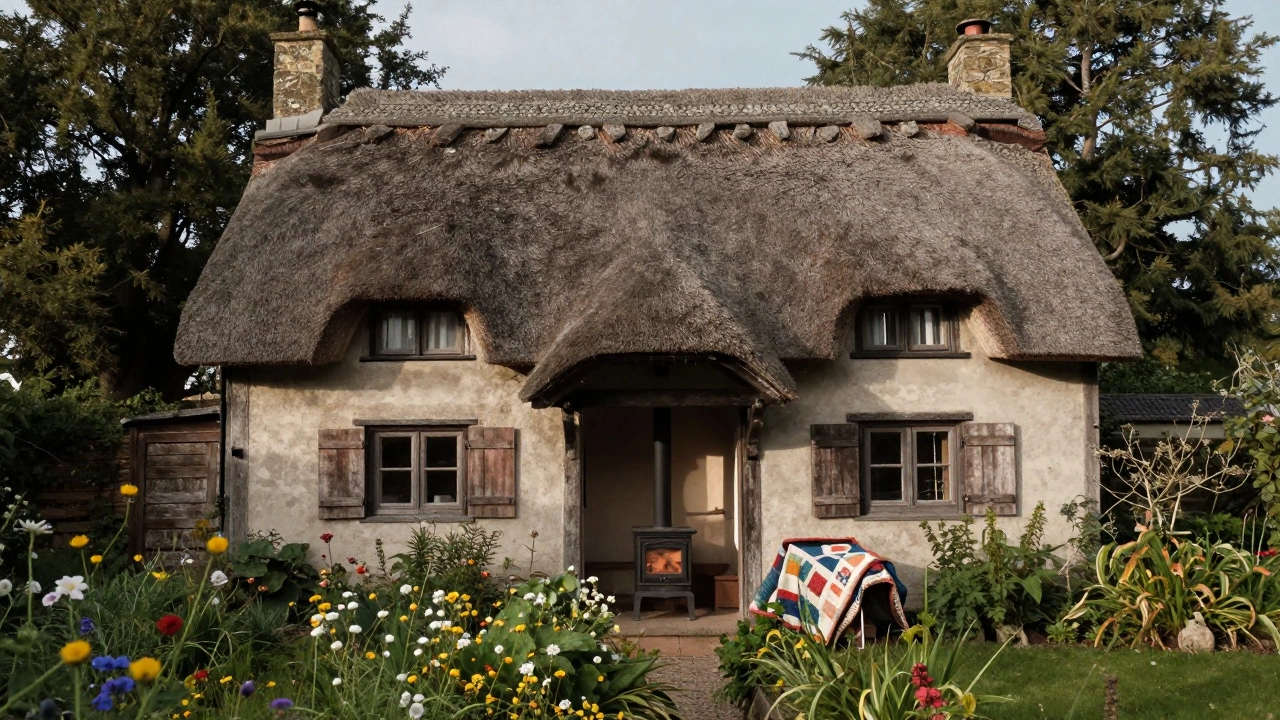
When you picture a cottage, what comes to mind? A cozy, weathered wooden cabin nestled among trees, maybe with a thatched roof and a small garden full of wildflowers. But here’s the thing: cottage isn’t just a style-it’s a size. And that size isn’t written in stone. It’s more like a loose guideline shaped by history, culture, and practical living.
There’s No Official Size for a Cottage
You won’t find a government agency or building code that says, "A cottage must be exactly 800 square feet." That’s because cottages aren’t defined by strict measurements. Instead, they’re defined by feel. A cottage is a small, simple home, usually built for comfort rather than grandeur. It’s the kind of place where you don’t need a hallway to get from the kitchen to the bedroom. Where the stairs are steep because there’s only one floor above. Where every room has a purpose, and nothing is wasted.
In the UK, where the word "cottage" has deep roots, homes under 1,000 square feet are commonly called cottages. In the US, the range is wider-anything from 600 to 1,200 square feet might earn the label. In New Zealand, where I live, a cottage often refers to a small, charming home on the edge of town or in the countryside, usually under 900 square feet. Size matters less than character.
What Makes a House a Cottage? Beyond Square Footage
Think of a cottage like a well-worn sweater. It’s not about the thread count-it’s about how it fits and how it feels. A true cottage has certain traits:
- Single or one-and-a-half stories
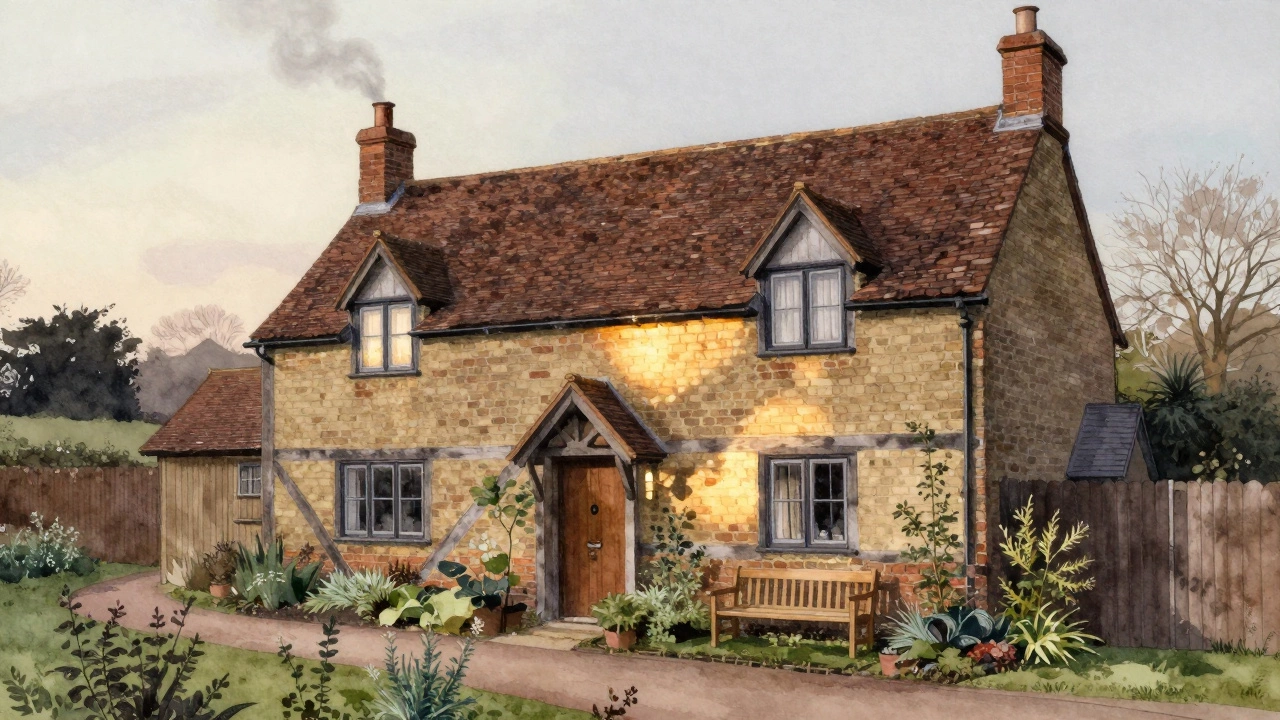
- Low-pitched roofs, often with dormers
- Small windows, sometimes with shutters
- Stone, brick, or timber exteriors
- A chimney, even if it’s decorative
- A garden, even if it’s just a patch of dirt with herbs
These features aren’t required, but they’re common. And they all point to one thing: intimacy. Cottages aren’t built to impress guests. They’re built to hold quiet mornings, rainy afternoons, and the sound of wind through the trees.
Historical Roots: Why Cottages Stay Small
Centuries ago, cottages weren’t luxury homes-they were homes for laborers. In England, a cottage was where a farmhand or weaver lived with their family. It had to be affordable to build and easy to maintain. That meant small. That meant simple. That meant one room downstairs, one room upstairs, maybe a tiny kitchen tucked behind the fireplace.
That practical legacy still shapes cottages today. Even modern ones-built as weekend getaways or permanent homes-carry that DNA. They’re not meant to be mansions. They’re meant to be refuges. That’s why you rarely see a cottage with more than two bedrooms. Three bedrooms? That’s a house. Four? That’s a family home. A cottage stays small because its soul is in simplicity.
Modern Cottages: Bigger, But Still a Cottage?
These days, developers slap the word "cottage" on homes that are 1,500 square feet or even larger. You’ll see "luxury cottage" listings with granite countertops, en-suite bathrooms, and open-plan living areas. But here’s the truth: if it has four bedrooms and a two-car garage, it’s not a cottage. It’s a mini-house with a fancy name.
Real cottages don’t need square footage to feel cozy. I’ve stayed in a 500-square-foot cottage in the South Island where the whole family slept in one room, and it felt more like home than any 3,000-square-foot subdivision house I’ve ever seen. Why? Because it had character. Because the wood was old. Because the door creaked in a way that felt familiar. Because the window looked out on a patch of wild grass and not a neighbor’s driveway.
Size doesn’t define a cottage. Intention does.
What’s the Sweet Spot?
If you’re looking to build or buy a true cottage, aim for this range:
- One-bedroom: 400-600 sq ft
- Two-bedroom: 700-900 sq ft
- Maximum: 1,000 sq ft (anything over that starts to lose the cottage vibe)
These sizes work because they force efficiency. There’s no room for clutter. Storage has to be smart. Furniture has to be multi-functional. And that’s where the magic happens. A cottage doesn’t just save space-it saves energy, money, and stress.
Some people worry a cottage is too small. But think about it: how often do you use your living room? Your guest room? Your formal dining area? A cottage strips away the excess. It keeps what matters: a place to sleep, eat, read, and breathe.
How to Tell If Your Home Is a Cottage
Still not sure? Ask yourself these questions:
- Does it feel cozy, even when it’s empty?
- Can you walk from one end to the other in under 10 steps?
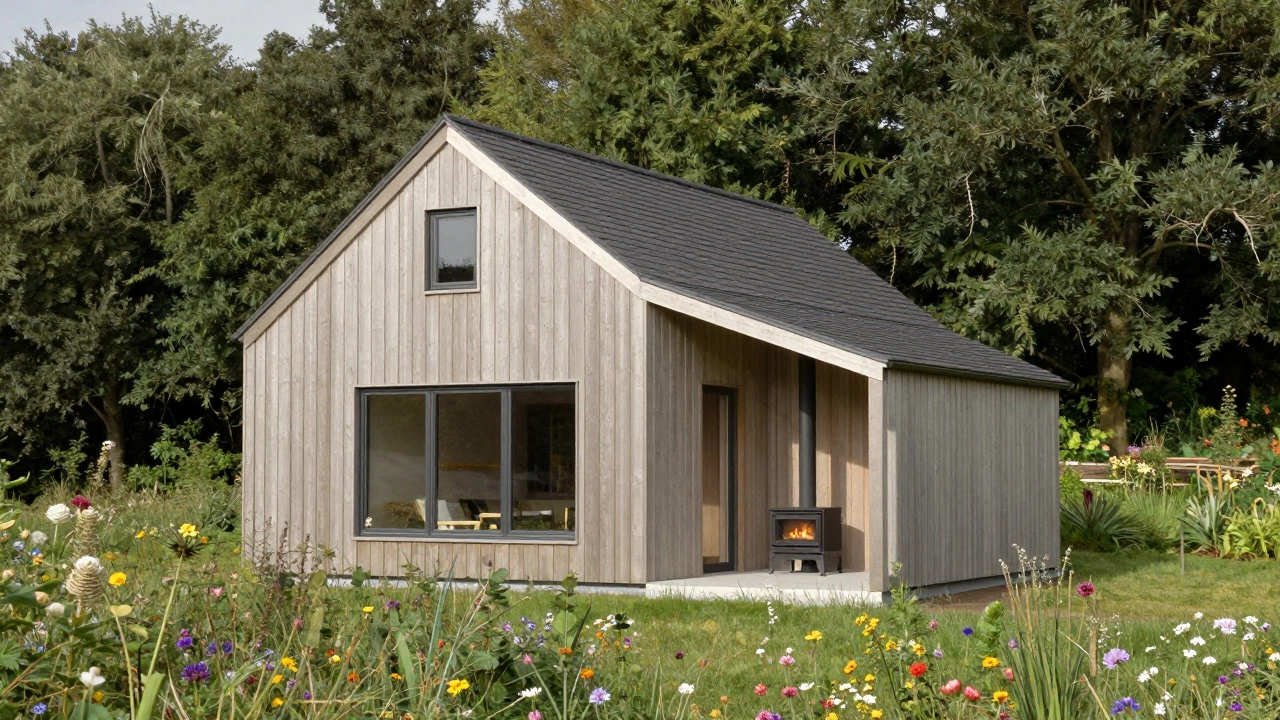
- Is there a fireplace or wood stove?
- Do the windows look out on nature, not another house?
- Would you describe it as "charming," not "spacious"?
If you answered yes to most of these, you’ve got a cottage-even if it’s 1,100 square feet. But if you’re thinking about adding a third bathroom or a home gym, you’re building something else.
Why This Matters
Choosing a cottage-sized home isn’t just about saving money. It’s about choosing a slower, simpler way of living. Cottages use less energy. They’re easier to heat. They require less cleaning. They encourage you to spend time outside, not just inside.
And in a world where bigger is always better, a cottage is a quiet rebellion. It says: I don’t need more. I just need enough.
Can a cottage have two stories?
Yes, many traditional cottages have one full story and a partial second floor, often called a one-and-a-half story design. This extra space is usually under a sloped roof and used for bedrooms or storage. A full two-story cottage with identical floor plans on both levels is rare and often crosses into the "small house" category.
Is a tiny house the same as a cottage?
Not exactly. A tiny house is usually under 400 square feet and often built on wheels. A cottage is typically on a foundation, larger (400-1,000 sq ft), and designed for permanent living. Cottages have more traditional features like chimneys and shutters. Tiny houses prioritize mobility; cottages prioritize charm.
Do cottages have to be in the countryside?
No. While many cottages are in rural areas, the term refers to the home’s size and style-not its location. You can find cottages in towns, suburbs, or even near city borders. What matters is the design: small, simple, and intimate.
Can a modern home be a cottage?
Absolutely. Modern cottages use clean lines, large windows, and minimalist interiors, but they keep the soul of a cottage: small footprint, cozy feel, and connection to nature. Think of it as a cottage with updated materials, not a completely different type of home.
Are cottages cheaper to build than regular houses?
Generally, yes. Because they’re smaller, cottages use less material and require less labor. Heating and maintenance costs are lower too. But if you add high-end finishes-like custom cabinetry or stone countertops-the cost can climb. A basic cottage can be built for 30-50% less than a standard home of similar land value.