What to Sleep in When Glamping: The Ultimate Guide to Luxury Bedding
 May, 28 2026
Glamping Sleep Comfort Calculator
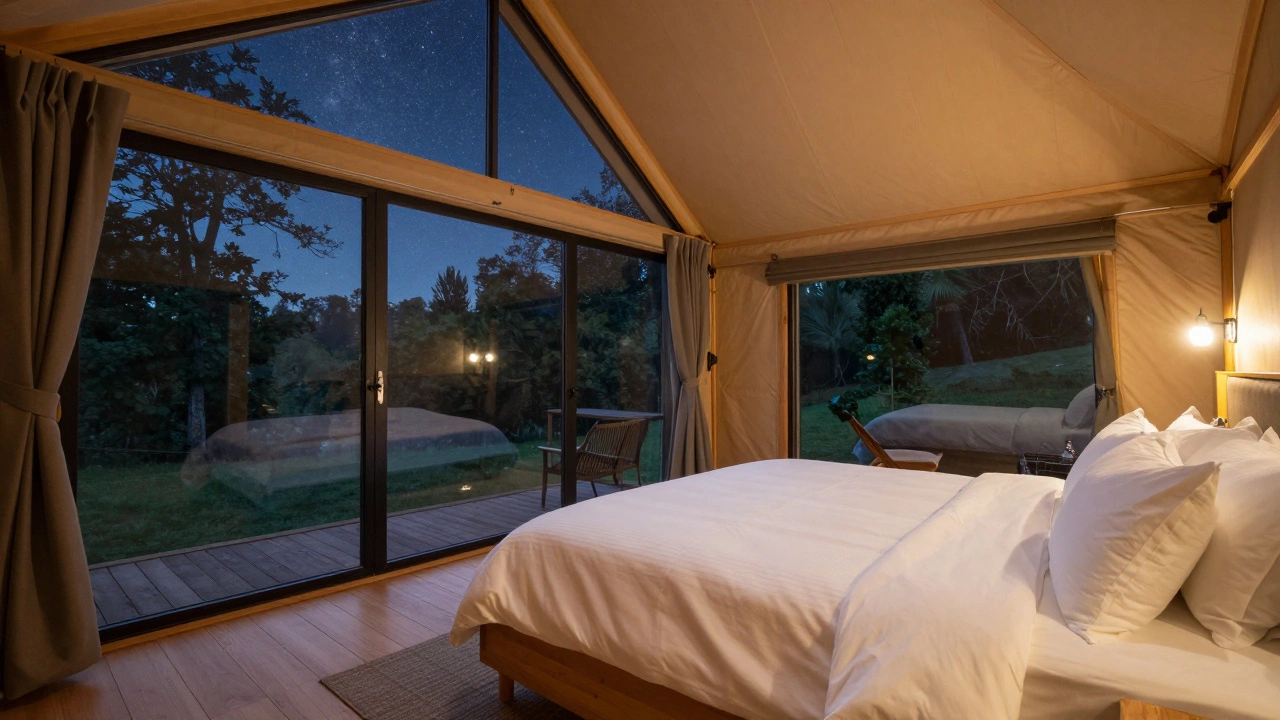
Imagine this: You’ve booked the perfect glamping cottage, a rustic-chic retreat nestled in the trees with floor-to-ceiling windows and a view of the stars. You’re excited. But then you hit the panic button. What are you going to sleep on? Is it a hammock? A thin air mattress on the dirt? Or is there actually a real bed waiting for you?
The answer depends entirely on what kind of glamping you’ve booked. The term "glamping" covers everything from luxury yurts with king-size mattresses to rugged safari tents where you sleep on foam pads. If you show up expecting a hotel-quality duvet but end up on a sleeping bag in a canvas tent, the magic disappears fast. Let’s break down exactly what you’ll be sleeping in, so you can pack smart and sleep soundly.
The Spectrum of Glamping Sleep Surfaces
Not all glamping is created equal. The first thing you need to understand is that your sleeping surface dictates your entire packing list. Generally, glamping falls into three main categories based on comfort level: Luxury Lodging, Semi-Rugged Tents, and Eco-Minimalist Structures.
In Luxury Lodging options-think high-end glamping cottages, converted barns, or premium yurts-you will almost always find a permanent bed frame. These aren’t just cots shoved into a corner. They are often queen or king-sized beds with box springs and high-thread-count sheets provided by the host. This is the closest experience to a boutique hotel, minus the Wi-Fi signal strength sometimes.
Semi-Rugged Tents (like traditional safari tents or bell tents) usually provide a wooden platform or a raised deck. On top of this, hosts typically lay down a thick foam mattress or an inflatable air mattress. Sheets might be provided, but they are often thinner, and you might still want to bring your own pillow if you have specific neck support needs.
Then there is Eco-Minimalist glamping. This includes treehouses, tipis, or dome structures focused on sustainability over plushness. Here, you might find a simple futon, a pallet with blankets, or even just a sleeping pad on the ground. In these cases, bringing your own lightweight sleeping bag liner is a game-changer.
Bedding Provided vs. What You Should Bring
This is the million-dollar question. Do you bring your own bedding? The short answer is: check the listing description carefully, but always prepare for the possibility that you need to supplement what’s there.
Most reputable glamping sites provide the basics: a mattress, sheets, a blanket or duvet, and one or two pillows. However, "provided" doesn't always mean "luxurious." Hotel sheets are washed at high temperatures repeatedly; glamping sheets might be cotton blends that wrinkle easily or synthetic materials that don’t breathe as well.
If you are a light sleeper or sensitive to textures, I highly recommend bringing a silk or satin sleeping bag liner. It adds a layer of hygiene and softness between you and the host’s sheets. It’s lightweight, packs small, and makes a huge difference in comfort. For those who get cold easily, especially in New Zealand’s unpredictable weather or mountainous regions, a lightweight merino wool base layer worn under your pajamas works wonders when the central heating isn’t quite enough.
Mattress Types You’ll Encounter
Understanding the mattress type helps you manage expectations. Here is a breakdown of what you’ll likely find:
| Mattress Type | Typical Location | Comfort Level | Pro Tip |
|---|---|---|---|
| Innerspring Box Spring | Luxury Cottages/Yurts | High | Treat it like a hotel bed; bring slippers. |
| Foam Pad (2-4 inch) | Safari/Bell Tents | Medium | Bring a topper if you have back pain. |
| Air Mattress | Budget Tents/Campsites | Low-Medium | Check for leaks before inflating fully. |
| Futon/Pallet | Treehouses/Domes | Variable | Bring a sleeping pad for extra cushioning. |
If you know you’re booking a site with foam pads, consider investing in a portable memory foam topper. They roll up small and add inches of luxury to a hard surface. It’s a small investment that pays off in deep sleep.
Pillows: The Make-or-Break Factor
Let’s be honest: pillows are personal. Some people need firm support; others sink into down. Most glamping sites provide standard polyester-fill pillows. They are fine for average users, but if you have a latex pillow at home or use a specialized contour pillow for neck issues, leave no doubt-bring it.
Why? Because poor sleep quality ruins trips faster than bad weather. You’re out there to relax, not to wake up with a stiff neck because the pillow was flat as a pancake. Packing one familiar pillow ensures you drift off quickly, regardless of how exotic the surroundings are.
Temperature Control: Sleeping Bags vs. Duvets
Glamping often means being closer to nature, which means dealing with natural temperature swings. Even in summer, nights can drop significantly, especially in rural areas without urban heat islands.
In luxury cottages, you’ll usually have a heavy duvet and possibly electric blankets. In tents, insulation is minimal. A duvet traps heat, but it doesn’t trap *your* body heat as efficiently as a sleeping bag does. If you are prone to getting cold feet, consider wearing thermal socks to bed. It sounds odd, but it keeps your core temperature stable.
Conversely, if you run hot, avoid synthetic sleeping bags. Stick to linen sheets or cotton-blend blankets that allow airflow. Many modern glamping sites now offer bamboo viscose linens, which are naturally cooling and hypoallergenic-a great middle ground for sensitive skin.
Hammocks and Hanging Beds
A niche but growing trend in glamping is the hanging bed or large hammock. These are suspended from the ceiling or tree branches. Sleeping in a hammock requires a different mindset. You can’t lie flat; you have to curl slightly. This can be soothing for some, causing lower back relief, but problematic for others with hip issues.
If you book a place with a hanging bed, ask about the size. A wide double hammock allows for more movement. Also, check if they provide a bug net. Mosquitoes love hammocks because they hover around head height. A built-in net is essential for a good night’s rest.
Packing Checklist for the Perfect Glamping Sleep
To ensure you don’t miss anything, here is a curated checklist tailored for glamping sleep comfort:
- Sleeping Bag Liner: Silk or cotton, for hygiene and warmth.
- Your Own Pillow: Especially if you have ergonomic needs.
- Earplugs: Nature is loud. Owls, crickets, and wind can disrupt light sleepers.
- Eye Mask: Essential if your tent has gaps in the flysheet or if sunrise comes early.
- Thermal Base Layers: Merino wool tops and bottoms for cold nights.
- Slippers: Floors in cottages and tents can be cold or uneven.
- Portable Humidifier: Small USB models help if the air is dry and you have sinus issues.
Hygiene and Cleanliness Concerns
You might worry about bugs or cleanliness. Reputable glamping sites clean their bedding between guests, just like hotels. However, dust mites and pollen are common in rural settings. If you have allergies, bring antihistamines and consider using a hypoallergenic pillowcase.
For bug protection, permethrin-treated clothing can help during the day, but at night, rely on physical barriers. Ensure window screens are intact. If you’re in a tent, tuck the edges into the ground to prevent ants or spiders from crawling in. A quick spray of insect repellent on your ankles before bed is also wise.
Final Thoughts on Glamping Comfort
Glamping is about balancing adventure with comfort. Your sleep setup is the foundation of that balance. By understanding what type of structure you’re staying in and preparing accordingly, you turn a potential discomfort into a memorable part of the experience. Whether you’re sinking into a luxury mattress in a cedar cottage or snuggled in a sleeping bag under the stars, the right preparation ensures you wake up refreshed, ready to explore.
Do I need to bring my own sheets for glamping?
Most glamping sites provide sheets, blankets, and pillows. However, if you have sensitive skin or specific hygiene preferences, bringing a silk or cotton sleeping bag liner is recommended. Always check the specific listing details, as budget-friendly options may require you to bring your own bedding.
Are glamping beds comfortable for people with back pain?
It depends on the type of glamping. Luxury cottages usually have standard innerspring mattresses similar to hotels, which are generally fine. Tent-based glamping often uses foam pads or air mattresses, which can be too firm or too soft. If you have back pain, bring a portable foam topper or your own ergonomic pillow to customize the support.
Is it cold sleeping in a glamping tent?
Tents offer little insulation, so temperatures inside can drop significantly at night. While hosts provide blankets, they may not be enough for cold climates. Pack thermal base layers, warm socks, and consider a high-quality sleeping bag rated for lower temperatures if you are visiting in autumn or winter.
What is the difference between glamping and camping bedding?
Camping typically involves sleeping on the ground with a sleeping bag and a foam mat. Glamping elevates this by providing raised platforms, mattresses, and often real beds with linens. The goal of glamping bedding is to mimic hotel comfort while maintaining an outdoor aesthetic.
Should I bring earplugs for glamping?
Yes, especially if you are a light sleeper. Rural environments are filled with nighttime noises like wildlife, wind, and insects. Earplugs can help block out these sounds and ensure a deeper, more restful sleep.