What to Wear to a Hotel Spa: The Ultimate Packing Guide for Comfort and Etiquette
 May, 31 2026
Spa Readiness & Packing Checklist
Are You Spa Ready?
Follow the steps to build your perfect packing list.
What are you planning to do?
Relaxation Treatment
Massage, Facial, or Body Wrap in a private room.
Thermal Circuit
Sauna, Steam Room, Hot Tubs, or Cold Plunge.
Do you have these specific needs?
You Are Prepared!
Check off items as you pack them.
Your Personalized Checklist
Picture this: you’ve booked that dreamy weekend getaway. You’re finally relaxing in the lobby, ready to head down to the hotel spa is a dedicated wellness facility within a hotel offering treatments like massages, facials, and hydrotherapy. But then panic sets in. What on earth are you supposed to wear? Do you need a swimsuit? Can you just walk in with your street clothes? Will someone judge you if you show up without proper gear?
You are not alone in feeling unsure. Spa etiquette can feel like a secret club with unwritten rules. One wrong move-like wearing cotton underwear under a towel or showing up with heavy makeup-can ruin the vibe before you even get into the hot tub. The good news? It’s actually quite simple once you know the basics. This guide will walk you through exactly what to pack, what to leave behind, and how to navigate the changing room with confidence.
The Golden Rule: Swimsuits Are Usually Required
If there is one thing you must remember, it’s this: unless you are booking a private treatment room where you remain fully covered by sheets and towels, you will likely need a swimsuit. Most hotel spas operate on a "shared space" model. This means after your massage or facial, you’ll have access to saunas, steam rooms, cold plunges, and relaxation lounges. In these communal areas, modesty standards apply.
For women, a one-piece suit or a tankini is your best bet. Bikinis are often frowned upon in thermal circuits because they can slip around in hot water and aren’t always considered appropriate for sauna environments. For men, board shorts or swim trunks are standard. Avoid briefs unless you are at a very specific type of resort; loose-fitting shorts are safer and more comfortable for sitting on lounge chairs.
Pro Tip: Check the spa’s website before you go. Some high-end European-style spas practice "nudity culture" in gender-segregated thermal areas, meaning no swimsuits are allowed or needed in those specific zones. However, for the vast majority of hotels in North America and Asia, a swimsuit is mandatory.
Essential Items to Pack in Your Gym Bag
Your gym bag should be light but strategic. You don’t want to lug around a massive suitcase just to change into a robe. Here is the core checklist of items you need to bring from your room to the spa:
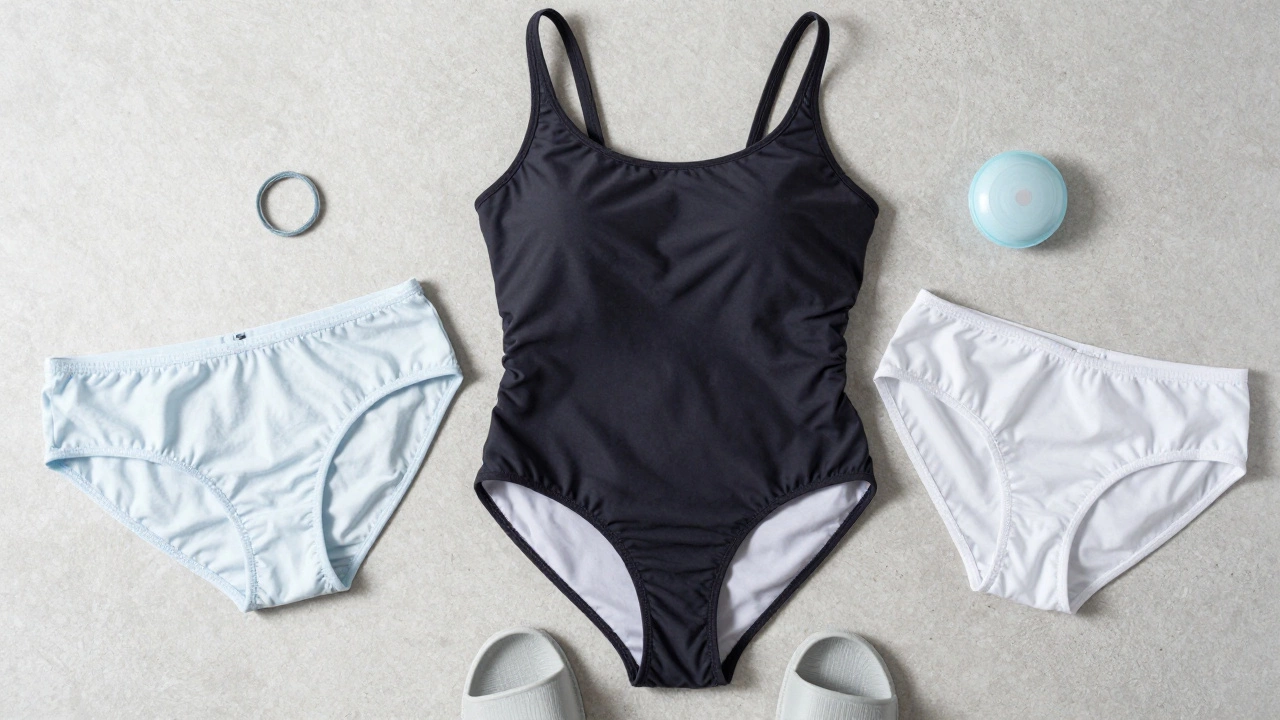
- A Comfortable Swimsuit: As mentioned, this is non-negotiable for most facilities. Choose something you feel confident in and that fits well when wet.
- Clean Undergarments: Bring a fresh pair of underwear to change into after your session. You’ll be sweaty, and nobody wants to put their travel clothes back on over damp gym shorts.
- Flip-Flops or Shower Slides: Hygiene is huge in spa environments. Walking barefoot in locker rooms and pool decks is a breeding ground for athlete’s foot and plantar warts. A cheap pair of rubber slides protects your feet and shows respect for shared spaces.
- A Small Hair Tie or Clip: If you have long hair, keep it off your face during treatments. While some spas provide clips, having your own ensures it’s secure and hygienic.
- Contact Lens Case: If you wear contacts, remove them before entering steam rooms or pools. The heat and chemicals can damage lenses and irritate eyes. Glasses are usually fine, but ask if you’re worried about fogging.
What to Leave Behind: The "Don't Bring" List
Just as important as what you bring is what you leave in your hotel room. Spas are designed to help you detox and relax, which means minimizing external contaminants.
Jewelry and Watches: Take it all off. Metal conducts heat, so leaving a bracelet on in a sauna can cause burns. More importantly, water and sweat can tarnish silver or gold, and chlorine destroys delicate stones. Most spas have small lockers or safe boxes in the changing area, but it’s easier to just leave valuables in your room safe.
Makeup: Unless you are doing a makeup application service (rare), strip it down. Facials and steam open pores, and trying to wash off foundation while lying face-down on a massage table is a nightmare. Arrive with a clean face. If you must wear something, stick to a light moisturizer and sunscreen.
Perfume or Cologne: This is a major etiquette faux pas. Spas use essential oils and aromatherapy scents carefully curated for relaxation. Strong personal fragrance clashes with these scents and can trigger headaches or allergies in other guests and therapists. Let the spa smell like the spa.
Street Shoes: Never wear your outdoor shoes into the spa area. The transition from the public hallway to the sanctuary begins at the changing room door. Keep your sandals strictly for the pool deck and locker room.
Navigating the Changing Room and Locker System
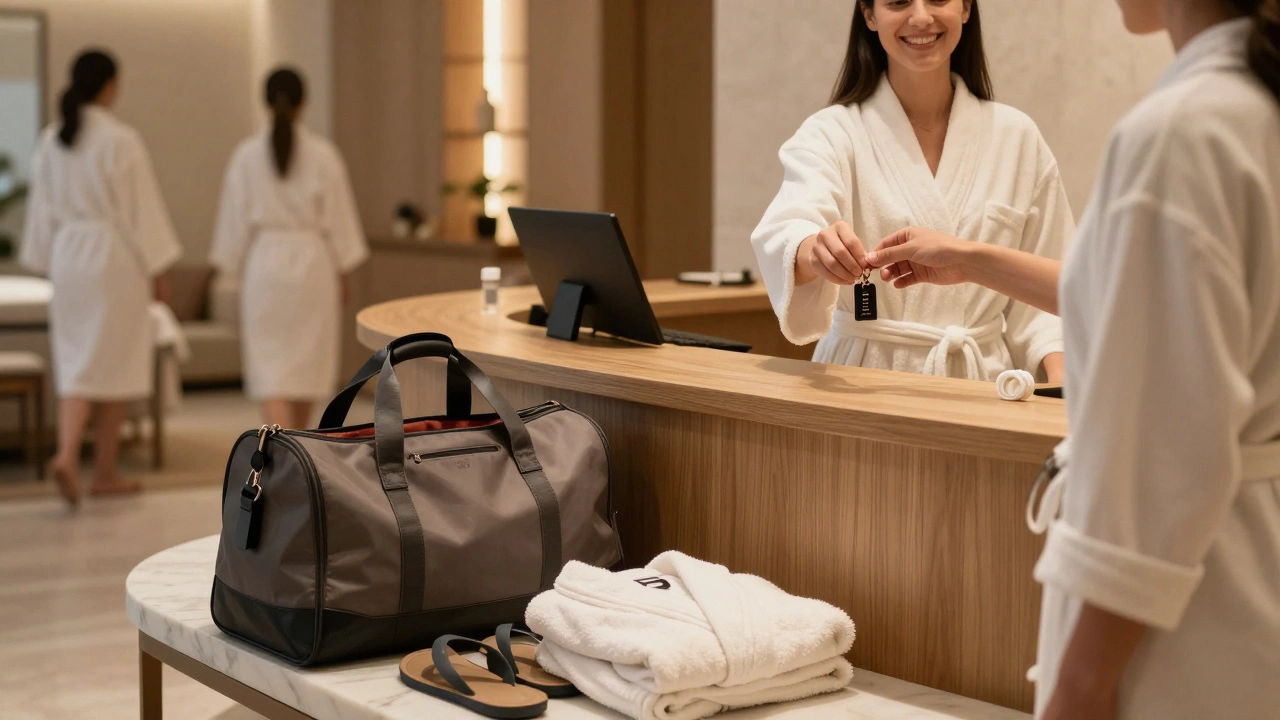
Walking into the spa entrance can feel intimidating. You might see people wrapped in white robes looking serene while you clutch your bag nervously. Don’t worry. The process is standardized across most luxury and mid-range hotels.
Upon arrival, you will typically check in at a reception desk. They may ask for a deposit or charge your room key for locker usage. You’ll receive a key or code for a personal locker. Use this immediately to store your belongings. Lockers vary in size, so keep your bag minimal.
Once you’re in the changing area, you’ll find racks of spa robes are loose-fitting garments provided by spas for guests to wear between treatments and in relaxation areas.. These are usually made of terry cloth or waffle weave. They are yours to use for the duration of your visit. Put on your swimsuit first, then wrap the robe. Many spas also provide slippers, though bringing your own flip-flops is still recommended for hygiene.
If you’re unsure about the dress code for specific areas, look for signage. Saunas and steam rooms often have signs indicating "Swimwear Required" or "No Swimwear." When in doubt, ask the staff politely. They are used to these questions and will appreciate your effort to follow the rules.
Treatment-Specific Attire Guidelines
Different services require different levels of undress. Understanding this helps you prepare mentally and physically.
| Treatment Type | Attire Recommendation | Notes |
|---|---|---|
| Full Body Massage | Undress completely (optional) | You decide how much to keep on. Therapists use draping techniques to keep you covered except for the area being worked on. |
| Facial | Remove top half jewelry/makeup | You usually stay clothed from the waist up or lie on your stomach with your face in a hole. Remove necklaces and earrings. |
| Body Scrub/Wrap | Swimsuit or Nude | Products cover your entire body. A swimsuit is fine, but many prefer nudity for even coverage. Robe provided afterward. |
| Hydrotherapy Circuit | Swimsuit Mandatory | You’ll be moving between hot and cold pools. Secure swimwear is essential. No loose fabrics that can trap bacteria. |

Etiquette Tips for a Smooth Experience
Beyond clothing, behavior matters. Spas are quiet sanctuaries. Keep conversations low or save them for the lobby. Silence your phone completely. Notifications breaking the zen atmosphere are rude to everyone else trying to decompress.
Hydrate before and after your session. Heat and massage draw toxins out of your muscles, which can lead to mild dehydration. Drink plenty of water. Also, avoid eating a heavy meal right before a massage. Lying on your stomach with a full stomach is uncomfortable and can affect circulation.
Tip your therapist. Just like at a restaurant, tipping is customary in the US and Canada (usually 15-20%). In Europe and parts of Asia, tipping is less expected but still appreciated for exceptional service. Check the local custom beforehand.
Common Mistakes to Avoid
Even seasoned travelers make these errors. Steer clear of them to maintain your cool factor.
Wearing Cotton Underwear: Cotton holds moisture. If you sweat in the sauna or get wet in the pool, cotton stays damp and chafes. Synthetic swimwear dries faster and is designed for wet environments.
Overstaying Your Welcome: If you book a one-hour massage, plan to spend an extra hour in the relaxation areas. Don’t hog the hot tub for two hours straight. Rotate with others. Generosity with space builds good karma.
Ignoring Skin Sensitivities: If you have sensitive skin, tell your therapist upfront. Ask what oils or products they use. You don’t want to break out in hives halfway through a lavender scrub.
Final Thoughts on Spa Confidence
Remember, everyone in the spa is there to relax. No one is judging your swimsuit choice or your awkwardness in the locker room. We’ve all been there. The goal is to disconnect from stress and reconnect with your body. By packing smart and following basic etiquette, you remove the anxiety of "what ifs" and focus on the experience. So zip up that bag, slip on your flip-flops, and enjoy every minute of your well-deserved pampering.
Do I have to take my swimsuit off for a massage?
It is entirely up to you. Most clients choose to undress completely for a full-body massage, but you can keep your swimsuit on if you prefer. The therapist will drape you with sheets and towels, exposing only the part of the body they are working on at any given time. Your comfort level dictates the dress code.
Can I wear my own clothes to the sauna?
Generally, no. Cotton clothing retains heat and moisture, which can be dangerous in high-temperature saunas. It also harbors bacteria. Most spas require swimwear or nudity (in gender-specific areas) to maintain hygiene and safety. Always check the specific rules of the hotel spa you are visiting.
What should I do with my phone during spa treatments?
Leave it in your locker or turn it completely off. Taking photos or videos in treatment rooms, saunas, or steam rooms is strictly prohibited due to privacy concerns. Even having it on vibrate can disrupt the peaceful atmosphere. Treat the spa as a digital-free zone.
Is it okay to eat before a spa treatment?
Avoid heavy meals within two hours of your appointment. Digestion requires blood flow to the stomach, which can interfere with the relaxation benefits of a massage. Light snacks are fine, but prioritize hydration instead. Drinking water helps flush out toxins released during the treatment.
Do hotel spas provide towels and robes?
Yes, virtually all hotel spas provide robes, slippers, and towels for use during your visit. These are included in the cost of your treatment or day pass. You do not need to bring your own beach towel. However, bringing your own flip-flops is highly recommended for hygiene reasons.