When Is the Cheapest Time to Book an All-Inclusive Vacation?
 Feb, 19 2026
If you’re looking to stretch your budget while still getting a full vacation experience, all-inclusive resorts are one of the smartest choices out there. But not all times of year are created equal when it comes to pricing. Knowing exactly when to book can save you hundreds - sometimes over a thousand - on your next getaway. The cheapest time to go isn’t just about avoiding holidays. It’s about understanding weather patterns, local demand, and how resorts move inventory.
Low Season = Lowest Prices
The absolute cheapest time to book an all-inclusive resort is during the low season. For most Caribbean and Mexican destinations, that’s late April through mid-December. This period includes the rainy season, which scares off a lot of travelers - but not the smart ones.
For example, in Cancún, room rates can drop by 40-60% between August and October compared to December. Same goes for Jamaica, the Dominican Republic, and even parts of Costa Rica. Resorts are desperate to fill rooms during these months. They’ll offer free upgrades, complimentary spa credits, or even reduced rates on premium suites. You’re not sacrificing quality - you’re just avoiding peak demand.
Why does this happen? Resorts have fixed costs. A 500-room hotel still pays for staff, utilities, and food whether it’s 20% or 90% full. So when occupancy drops, they slash prices to stay in the black. You get the same pools, same food, same beach access - just with fewer crowds and better deals.
Avoid These Months Like the Plague
If you want to pay top dollar, book during these windows:
- Mid-December to mid-January (holiday rush)
- February to early April (spring break)
- Late June to August (summer vacation)
These are the peak months. Schools are out, families are traveling, and resorts know you’ll pay more. In fact, a standard 7-night all-inclusive package in Punta Cana can cost $2,200 per person in July but only $950 in September. That’s more than $1,200 saved - enough to cover flights, souvenirs, and a few extra cocktails.
Even within peak seasons, timing matters. Booking right before departure (less than 2 weeks out) usually means higher prices. Resorts don’t need to discount when they’re already full. But if you book 3-4 months ahead during low season, you’re more likely to lock in the best rate.
Weather Isn’t as Bad as You Think
The biggest myth about booking during low season is that you’ll be stuck in constant rain. That’s not true. In most tropical destinations, rain doesn’t mean all-day downpours. It usually comes in short, heavy bursts - often in the late afternoon or overnight. Mornings are still sunny. The humidity drops after rain, and the ocean stays warm.
Think of it like this: you’re trading a few rainy hours for a quieter beach, no lines at restaurants, and staff who have time to actually remember your name. Resorts during low season often have better service because they’re not overwhelmed. You’ll get more attention from bartenders, servers, and even spa therapists.
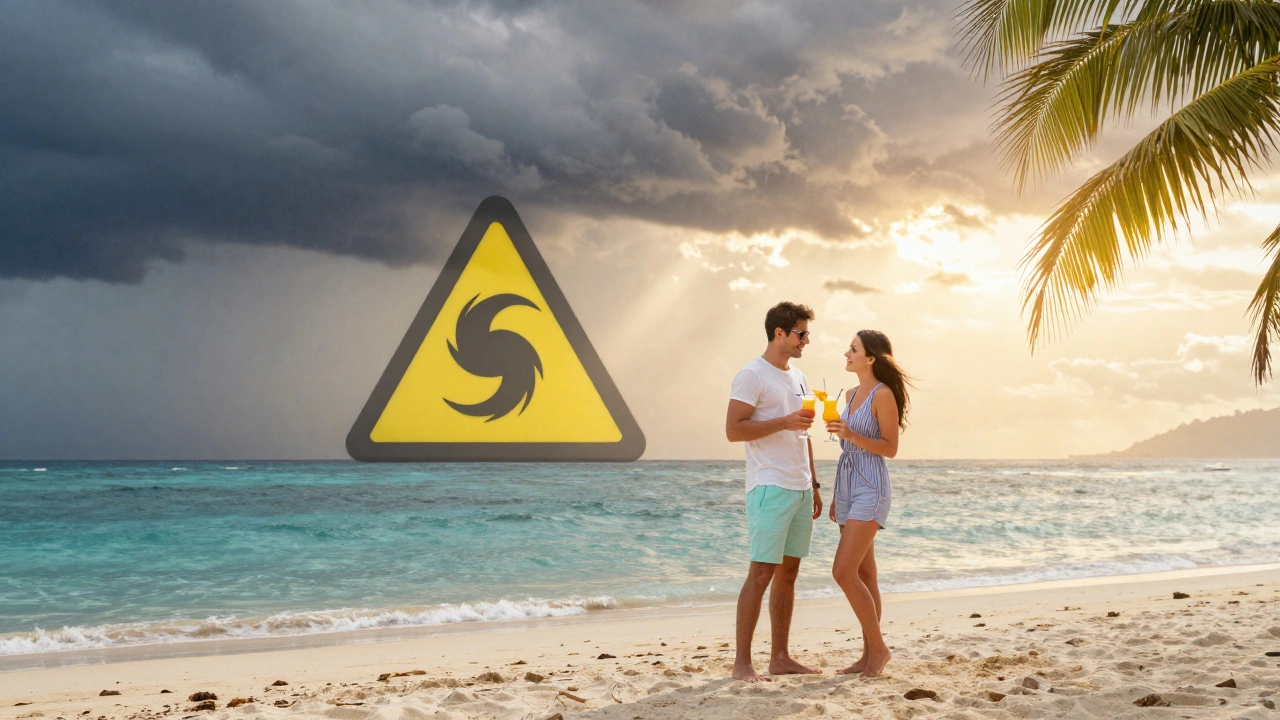
And let’s not forget: hurricane season (June-November) is often misunderstood. While it’s technically the riskiest time, actual storms hitting resorts are rare. Most all-inclusives are built to handle weather, and cancellations are rare. Many companies offer free rebooking if a storm forces you to leave - and some even cover flight changes.

Where to Find the Best Deals
Not all resorts drop prices equally. The biggest savings come from:
- Caribbean islands like Jamaica, Dominican Republic, and Puerto Rico - especially in August and September.
- Mexican Pacific Coast (Cabo, Puerto Vallarta) - prices dip hard in May and October.
- Central America (Costa Rica, Panama) - low season is May-November, with May being the sweet spot.
Resorts in the Bahamas and Florida Keys don’t drop as much, because they’re closer to major markets. If you’re flexible, avoid them during peak times. Stick to destinations farther from North America - they rely more on international travelers and are more aggressive with discounts.
Use booking platforms that show historical price trends. Sites like Kayak or Google Hotels let you see how prices changed over the last 12 months. If a resort’s price has been steady at $1,000 for months and suddenly drops to $700, that’s a red flag - it’s likely low season.
Booking Strategy: When to Pull the Trigger
Don’t wait until the last minute. The best time to book is 3-4 months before your trip - but only if you’re going during low season. For example:
- If you want to go in October, book in June.
- If you’re planning a December trip, book in August - but only if you’re okay with slightly higher prices.
Why? Resorts start releasing their lowest rates 120-150 days out. That’s when they begin promoting early-bird packages. If you wait too long, you’ll miss those deals. And if you book too early (6+ months ahead), you risk paying full price because the resort hasn’t yet adjusted for demand.
Set price alerts on at least two booking sites. Some resorts only offer discounts on their own website. Others have exclusive deals on Expedia or Travelocity. Compare all three before you book.
What You Get for Less
One of the biggest worries people have about booking cheap is that they’ll get a lower quality experience. That’s rarely true. The food, drinks, and amenities are usually the same. The only difference might be:
- Some resorts rotate which restaurants are open (but all are still included).
- More limited entertainment options (but still plenty of live music and activities).
- Smaller crowds at the pool and beach - which most people prefer.
Don’t assume that a $500/night resort is better than a $300/night one. Many mid-tier resorts have better service, cleaner rooms, and more authentic local food than luxury properties. Read recent reviews - especially ones from travelers who went during low season. You’ll see phrases like “felt like a VIP” and “staff went out of their way.”
Real Example: A $1,300 Savings
Last year, a couple from Toronto booked a 7-night stay at a 5-star all-inclusive in Playa del Carmen. They went in October - right in the middle of hurricane season. The resort was 30% full. They paid $920 per person. The same room in January cost $2,240. They got a free room upgrade to a suite with a private terrace. They ate at five different restaurants. They took snorkeling trips, yoga classes, and tequila tastings - all included. They didn’t see another group of tourists for three days.
They didn’t get rained on once. The water was still 82°F. The staff knew their names. They came home with photos, memories, and $1,320 in their bank account.
Final Tip: Book Early, Travel Late
The secret isn’t just about when you travel - it’s about when you book. Book early in the year (January-March) for a trip in September-October. That’s when resorts are still trying to fill last year’s leftover inventory. You’ll get the lowest price, the best rooms, and the quietest experience.
And if you’re flexible on dates? Even a few days can make a difference. Traveling on a Tuesday instead of a Friday can drop your price by 15%. Skip the weekends. Avoid holidays. And remember: the cheapest time to go isn’t the most popular - it’s the one nobody else is thinking about.
Is it safe to travel to an all-inclusive during hurricane season?
Yes, it’s generally safe. Most all-inclusive resorts are built to withstand storms and have emergency plans in place. Hurricanes rarely make direct hits on resort zones, and when they do, resorts typically close temporarily and rebook guests. Many travel insurance policies cover weather-related cancellations, and most resorts offer free date changes if a storm affects your trip.
Do all-inclusive resorts offer better deals during low season?
Absolutely. Resorts are more likely to offer free upgrades, complimentary spa credits, meal vouchers, or even reduced rates on premium suites during low season. They’re trying to fill rooms, so they add value to make the deal irresistible. You’re not getting a cut-rate experience - you’re getting a premium experience at a discount.
What’s the best month to book an all-inclusive for the lowest price?
For Caribbean and Mexican destinations, August and September are typically the cheapest months to travel - and booking in June gives you the best rate. For Central America, May is the sweet spot. These months have the lowest occupancy, which drives prices down the most.
Are cheaper all-inclusives less clean or have worse food?
Not usually. The food, drinks, and cleanliness standards are often the same across price points because resorts operate under the same brand guidelines. The main difference is in room size, location, or extra perks like butler service. Read recent reviews - many travelers report better service and cleaner rooms at mid-tier resorts during low season because staff aren’t overwhelmed.
Should I book directly with the resort or through a third party?
Compare both. Sometimes the resort’s website has exclusive deals not listed on third-party sites. Other times, platforms like Expedia or Travelocity offer bundled discounts on flights and transfers. Always check the cancellation policy - booking directly often gives you more flexibility if plans change.