Why Beachfront Land Is So Expensive: The Real Costs Behind Ocean View Hotels
 May, 14 2026
Beachfront vs. Inland Construction Cost Estimator
Property Specifications
Cost Breakdown
Enter property details and click "Estimate Costs" to see the breakdown.
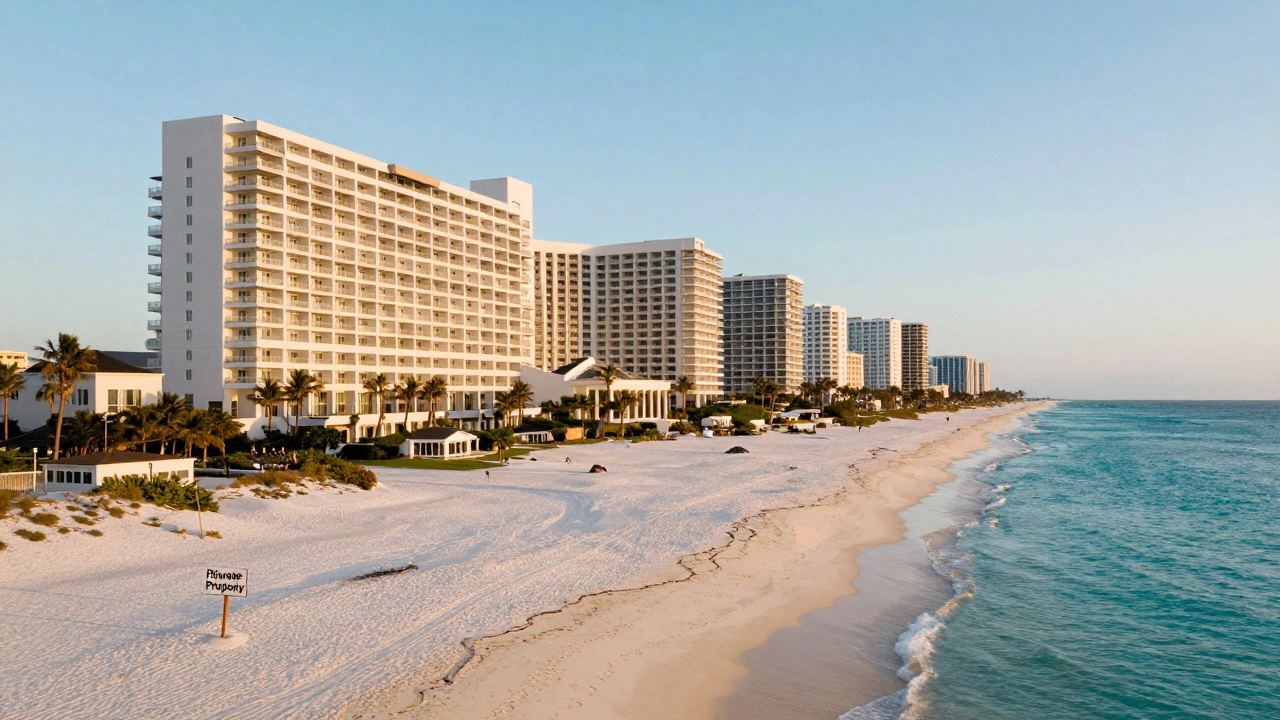
You’ve seen the price tags. You’ve felt the sting when booking that dream room with a direct ocean view. Why does a square meter of sand command such a premium compared to the lush greenery just a few blocks inland? It isn’t just about the pretty sunset. Beachfront land is coastal property located directly adjacent to the shoreline, commanding significantly higher market values due to scarcity, regulatory constraints, and high infrastructure costs. This scarcity drives up prices for everything from luxury villas to budget motels. When you understand the mechanics behind these costs, the high price of oceanfront real estate starts to make sense. It’s not just greed; it’s physics, law, and economics colliding.
The Scarcity Factor: Nature’s Limited Supply
The most obvious reason is simple math. There is only so much coastline on Earth. Unlike inland land, which can be subdivided infinitely, beachfront property is finite. Once a plot is built upon, it cannot be moved or replicated. This creates a classic supply-and-demand imbalance. Everyone wants to be near the water, but nature has capped the inventory.
In popular destinations like the Maldives, Bali, or the California coast, this scarcity is acute. Developers compete fiercely for every available lot. When supply is fixed and demand grows-fueled by global tourism trends-the price naturally skyrockets. For Beachfront hotels are hospitality establishments situated directly on the shoreline, offering guests immediate access to beaches and ocean views, often featuring premium amenities to justify higher rates. These properties pay top dollar for their location because they know guests will pay more for the convenience of stepping out onto the sand.
Infrastructure Nightmares: Building on Sand
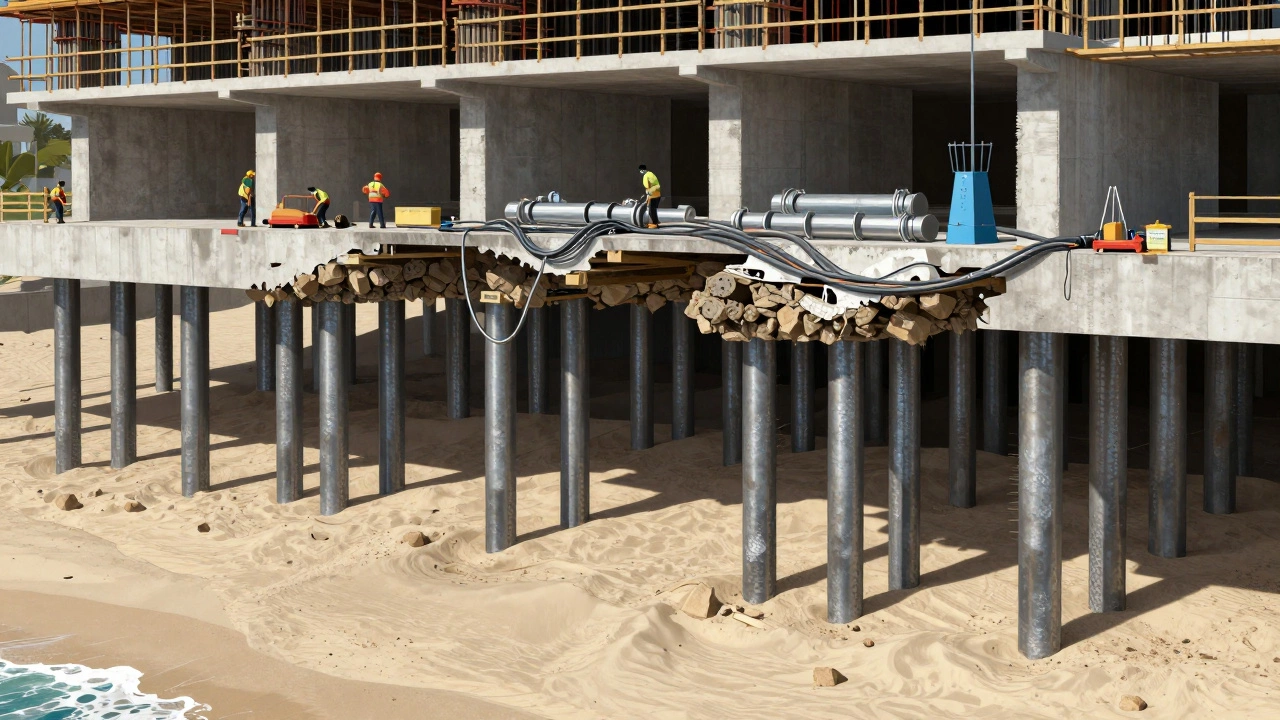
If you think building on sand is easy, think again. Sand is terrible for foundations. It shifts, erodes, and lacks the stability of bedrock. Constructing a multi-story hotel on unstable ground requires specialized engineering. Engineers must drive deep pilings down to stable soil layers, sometimes dozens of meters below the surface. This process is expensive and time-consuming.
Utilities add another layer of complexity. Running electricity, water, and sewage lines across wet, corrosive sand is a logistical headache. Saltwater corrodes metal pipes and electrical connections rapidly. Developers must use marine-grade materials, which cost significantly more than standard construction supplies. A copper pipe might last ten years in the suburbs; on the beach, it might fail in two. This maintenance burden is baked into the initial land cost.
Regulatory Hurdles and Environmental Protections
Governments around the world have become increasingly protective of coastlines. Zoning laws restrict how close you can build to the water’s edge. In many places, there are mandatory setbacks-areas where no construction is allowed to protect dunes and wildlife. This reduces the usable area of any given plot, effectively increasing the cost per usable square foot.
Environmental impact assessments are mandatory for most coastal developments. Developers must prove their project won’t harm local ecosystems, including nesting birds, coral reefs, or mangrove forests. These studies cost hundreds of thousands of dollars and can delay projects for years. If a developer fails to comply, they face heavy fines or demolition orders. The risk premium associated with these regulations is passed on to the buyer.
The Climate Change Premium
Let’s talk about the elephant in the room: rising sea levels. As climate change accelerates, coastal erosion is becoming a major concern. Properties that were safe yesterday might be at risk tomorrow. Paradoxically, this threat can increase short-term prices while decreasing long-term security. Investors rush to buy prime beachfront land before stricter regulations or insurance bans make it inaccessible.
Insurance costs have skyrocketed in coastal areas. After hurricanes, tsunamis, and storm surges devastate regions, insurers raise premiums or withdraw coverage entirely. A hotel owner paying $500,000 a year in flood insurance needs to charge higher room rates to break even. This financial pressure flows back into the land value, as only those who can afford the risk remain in the market.
Comparison: Beachfront vs. Inland Property Costs
| Factor | Beachfront Land | Inland Land |
|---|---|---|
| Land Scarcity | Extremely High (Finite Supply) | Low (Abundant Supply) |
| Foundation Requirements | Deep Pilings, Specialized Engineering | Standard Concrete Slabs |
| Material Durability | Marine-Grade (High Cost) | Standard Grade (Lower Cost) |
| Regulatory Restrictions | Strict Setbacks, Environmental Reviews | Minimal Restrictions |
| Insurance Premiums | Very High (Flood/Wind Risk) | Moderate (Standard Risks) |
| Resale Value Potential | High Appreciation, Volatile | Steady Growth, Stable |
The Psychological Premium: Views Sell Dreams
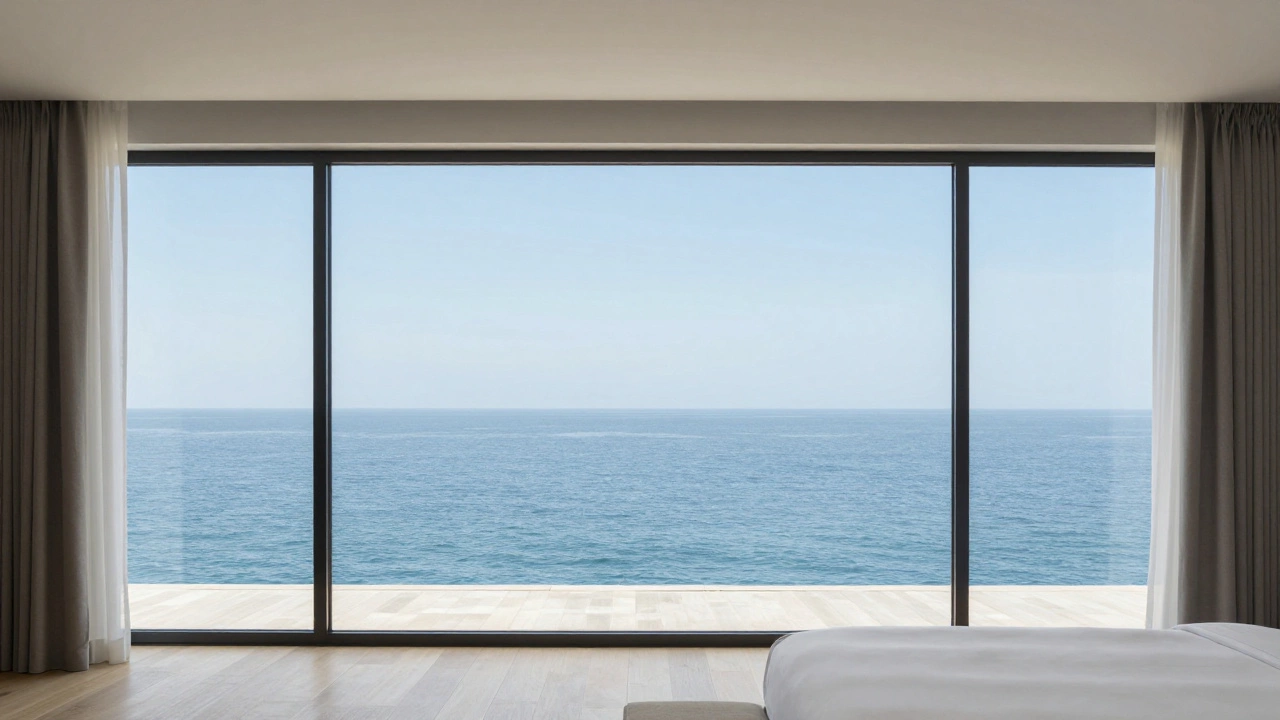
Finally, we cannot ignore human psychology. People pay for experiences, not just space. An unobstructed ocean view triggers a sense of freedom, relaxation, and luxury. Hotel owners know this. They design rooms to maximize the vista, knowing guests will pay double-or triple-for that window seat. This willingness to pay allows developers to bid higher for land, creating a self-reinforcing cycle of rising prices.
The "blue mind" effect, a term coined by marine biologist Wallace J. Nichols, describes the calming effect water has on the human brain. Hotels capitalize on this by selling tranquility. You aren’t just buying a bed; you’re buying a mental escape. That emotional value is tangible in the market, driving up the cost of beachfront land far beyond its physical attributes.
Navigating the Costs: Tips for Travelers and Investors
If you’re looking to book a stay, remember that the high land cost is reflected in your room rate. To get better value, consider staying in accommodations slightly inland but within walking distance to the beach. You’ll often find similar amenities at a fraction of the price. For investors, diversify. While beachfront assets appreciate quickly, they carry higher risks from climate change and regulation. Balance your portfolio with inland properties to mitigate exposure.
Understanding why beachfront land is so expensive helps you make smarter decisions. Whether you’re booking a vacation or investing in real estate, recognizing the hidden costs-from deep pilings to environmental permits-gives you a clearer picture of what you’re really paying for.
Is beachfront land a good investment?
Beachfront land can be a strong investment due to its scarcity and high demand, but it carries significant risks. Climate change, rising insurance costs, and strict environmental regulations can threaten long-term value. Diversification is key; don't put all your capital into coastal properties without considering inland alternatives.
Why are beachfront hotels so expensive to build?
Building on sand requires specialized engineering, such as deep pilings to reach stable soil. Materials must be marine-grade to resist salt corrosion, and utilities are harder to install. Additionally, environmental impact assessments and regulatory compliance add substantial upfront costs.
How does climate change affect beachfront property values?
Climate change increases the risk of erosion and flooding, leading to higher insurance premiums and potential regulatory bans on new construction. While short-term demand may drive prices up, long-term uncertainty can destabilize the market, making these properties volatile investments.
What are the main regulatory restrictions for beachfront development?
Developers must adhere to setback requirements, which limit how close structures can be to the shoreline. Environmental impact assessments are mandatory to protect local ecosystems. Failure to comply can result in heavy fines or forced demolition, adding a significant risk premium to the land cost.
Can I save money by staying near the beach instead of on it?
Yes, staying a few blocks inland often provides significant savings. You avoid the premium charged for direct ocean views and beach access. Many inland hotels offer shuttle services or are within easy walking distance, providing a comfortable balance between cost and convenience.