Why Do Airport Hotels Exist? The Real Reasons Behind Staying Near the Runway
 May, 25 2026
Airport Hotel vs. City Center Cost Calculator
Compare the total expenses of staying near the runway versus in the city center for your next trip.
Airport Hotel Option
City Center Option
Picture this: It’s 2:00 AM. You are standing in a sterile, fluorescent-lit terminal. The chairs are hard plastic that offers zero lumbar support. Your stomach is growling because the last food court closed an hour ago, and your only option is overpriced vending machine snacks. Meanwhile, your connecting flight doesn’t leave until 6:30 AM. You have four hours to kill, but you know that trying to sleep upright on a chair will result in a stiff neck and a headache for the rest of your trip.
This is the exact problem that airport hotels are designed to solve. But if you think they just exist to catch tired travelers who forgot to book ahead, you’re missing the bigger picture. These properties aren't just convenient; they are a calculated economic ecosystem involving airlines, local governments, and complex logistics.
The Economics of Proximity
At its core, an airport hotel exists because time is money, and proximity saves both. For business travelers, a missed connection can mean losing thousands of dollars in client meetings or contract signings. For leisure travelers, it means starting a vacation exhausted rather than refreshed. The primary driver here is risk mitigation. By staying within walking distance or a short shuttle ride from the terminal, travelers eliminate the variable of traffic jams, road closures, or public transport strikes.
Consider the cost equation. If you miss a 5:00 AM flight due to heavy rain slowing down highway traffic, you might pay $400 for a new ticket. An airport hotel room might cost $120. That $120 is insurance. Airlines actually benefit from this dynamic too. When passengers stay at nearby hotels, they are less likely to be late, which helps airlines maintain their on-time departure metrics-a crucial performance indicator for carriers.
Furthermore, these hotels often operate under unique zoning laws. Many airports lease land directly to hotel chains, creating a captive market. This exclusivity allows these properties to charge premium rates because there are no competitors within that immediate radius. It’s a monopoly on convenience.
Solving the Layover Nightmare
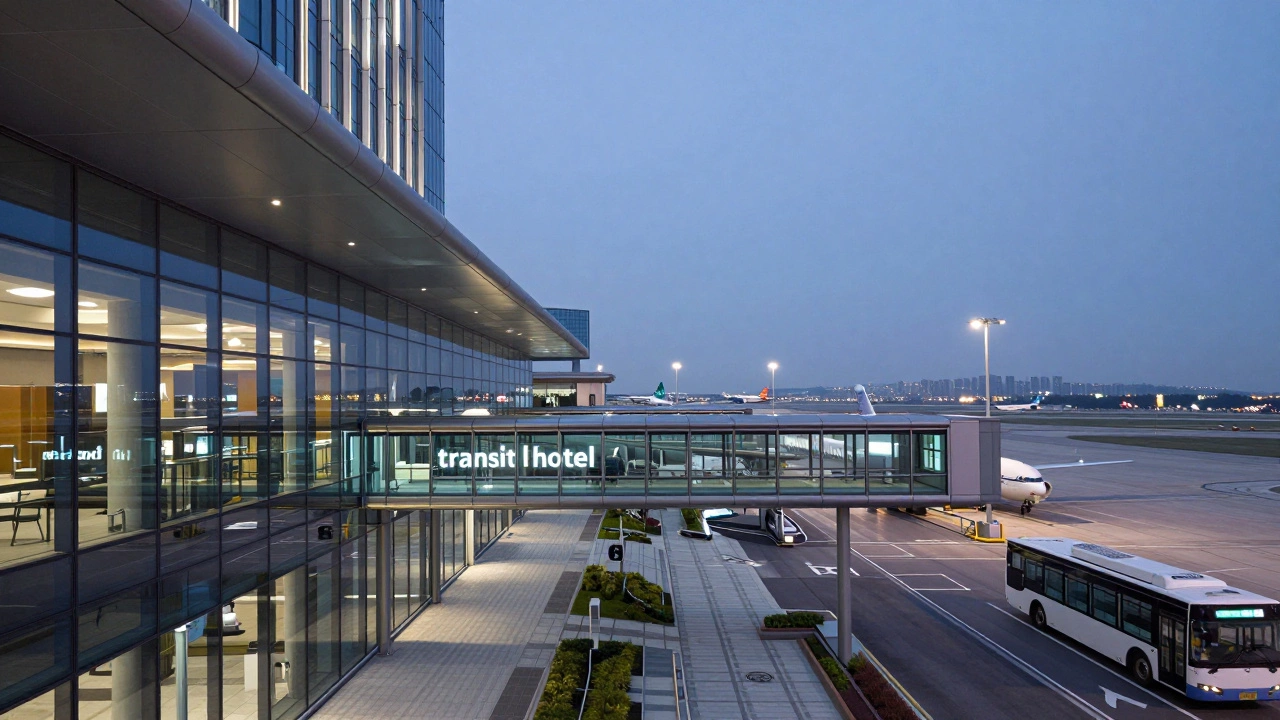
Long-haul travel often involves layovers that stretch into uncomfortable territory. A six-hour gap isn’t enough time to explore a city safely, especially if you arrive late at night. Yet, it’s too long to sit idle in the terminal. This is where the concept of the "transit hotel" comes into play.
Some modern airports, like Singapore Changi or Tokyo Narita, have integrated hotels directly into the terminal buildings. You don’t even need to clear immigration. You just walk up the escalator, check in, sleep for three hours, and walk back down. This model drastically reduces friction. Traditional airport hotels outside the security perimeter require you to exit and re-enter security, which adds stress and time. Inside-terminal hotels remove that barrier entirely.
- Seamless Transitions: No luggage handling required if you keep bags with you.
- Time Efficiency: Sleep happens without leaving the secure zone.
- Hygiene: Access to showers and fresh clothes before a long final leg.
For international travelers dealing with jet lag, a quick nap in a quiet, dark room can reset your circadian rhythm better than caffeine ever could. The biological advantage of a proper bed versus a terminal chair cannot be overstated when crossing multiple time zones.
The Red-Eye Flight Strategy
Red-eye flights-overnight journeys-are popular for maximizing daylight hours at your destination. However, arriving at 5:00 AM local time presents a logistical puzzle. Most cities are asleep. Taxis are scarce, and rideshare surges are high. Public transport may not run yet.
An airport hotel acts as a buffer zone. Instead of dragging yourself across town to a downtown hotel where you’ll check in, sleep for two hours, and check out again, you can stay near the airport. Some travelers even use this strategy in reverse: staying the night before a very early morning flight to avoid the hassle of traveling to the airport at dawn. In major metropolitan areas like London or New York, getting to Heathrow or JFK before 4:00 AM is a nightmare of limited transit options. Sleeping near the runway solves this access issue completely.
Operational Hubs for Crews and Staff
We often forget that airports are massive workplaces. Pilots, flight attendants, ground crew, and customs officers work irregular shifts. They need places to rest between rotations. While many large hubs have dedicated crew rest facilities inside the airport, smaller regional airports rely heavily on nearby hotels to house their staff.
These contracts provide a steady stream of revenue for airport hotels, stabilizing their income during low tourist seasons. It’s a symbiotic relationship. The airport needs reliable housing for its workforce to ensure safety and operational continuity, and the hotel needs guaranteed occupancy. This B2B (business-to-business) aspect is a huge part of why these hotels remain profitable even when leisure travel dips.
Cost Comparison: Hotel vs. City Center
One common misconception is that airport hotels are always cheaper than city centers. Often, they are more expensive per night. However, when you factor in transportation costs, the math changes.
| Expense Category | Airport Hotel Option | City Center Hotel Option |
|---|---|---|
| Nightly Rate | $130 | $90 |
| Transport to/from Airport (Round Trip) | $0 (Walking/Shuttle) | $60 (Taxi/Rideshare surge pricing) |
| Risk of Missing Flight | Low | High (Traffic dependent) |
| Total Estimated Cost | $130 | $150+ |
As the table shows, the "cheaper" city hotel becomes more expensive once you add the cost of urgent, early-morning transportation. Plus, the mental toll of worrying about being late has value. For many travelers, peace of mind is worth the extra twenty dollars.
Amenities Designed for Stress Reduction
Airport hotels are engineered differently than resort or business hotels. You won’t find elaborate lobbies with concierge desks managing complex itineraries. Instead, you’ll find efficiency-focused amenities.
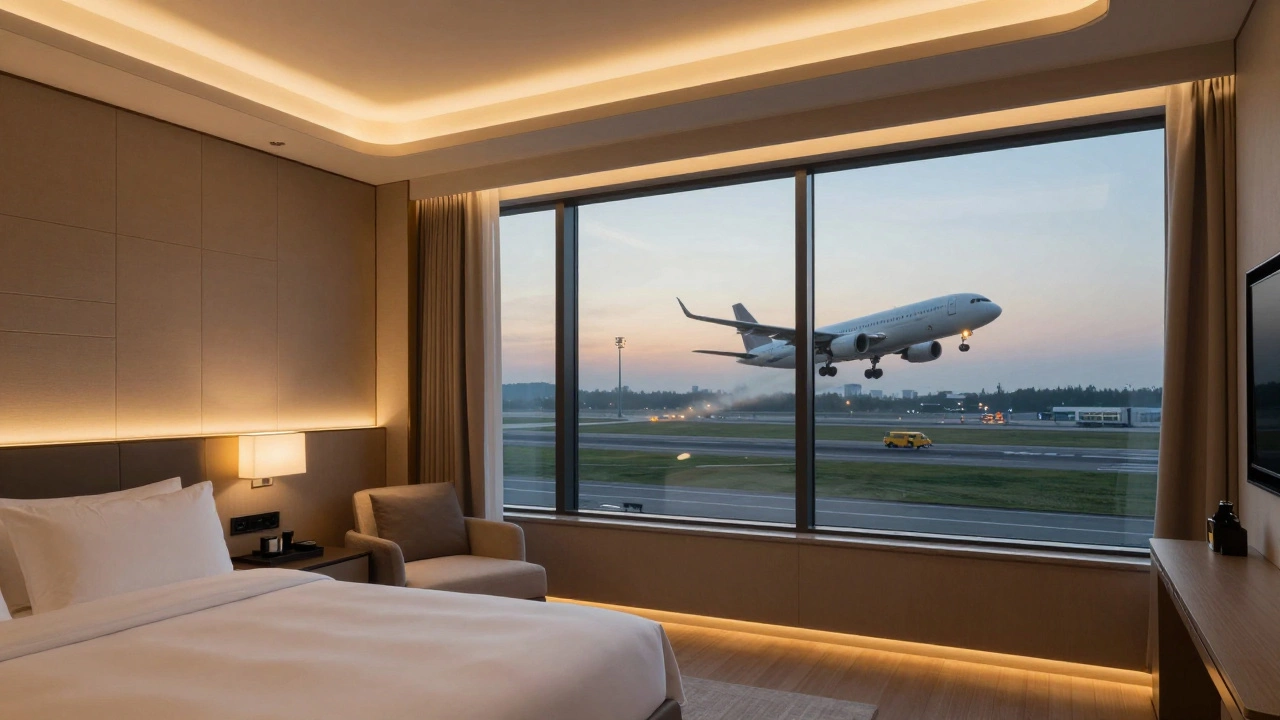
Soundproofing is the number one priority. Planes take off every few minutes, generating significant noise pollution. High-end airport hotels invest heavily in acoustic insulation to block out the roar of jet engines. Without this, sleep is impossible. Other key features include:
- 24-Hour Front Desks: Essential for guests arriving at odd hours after late flights.
- Express Check-in/out: Digital keys and mobile apps allow you to bypass lines.
- Early Breakfast Buffets: Opening at 4:00 AM to feed departing travelers.
- Shuttle Services: Running every 10-15 minutes to minimize wait times.
These small details matter. When you are running on empty, having a hot shower and a clean towel available immediately upon arrival can turn a stressful travel day around. It’s about restoring basic human comfort in an environment designed for machinery, not people.
Environmental and Urban Planning Factors
From an urban planning perspective, airport hotels help contain development. Airports are usually located on the outskirts of cities due to noise and space requirements. Building hotels nearby prevents sprawl into residential areas. It creates a designated commercial zone that supports the infrastructure of air travel without disrupting local communities.
Additionally, some airports implement green initiatives by partnering with eco-friendly hotel chains. These properties may use solar power, water recycling systems, and electric vehicle shuttles. As travelers become more conscious of their carbon footprint, choosing a sustainable airport hotel can offset some of the guilt associated with flying.
When Should You Actually Book One?
Not every trip requires an airport hotel. If you have a full day to explore the city before your evening flight, a city center location makes more sense. However, consider booking near the airport if:
- Your flight is before 7:00 AM.
- You have a layover longer than 8 hours but less than 24 hours.
- You are traveling with young children who need naps.
- You are recovering from illness or injury and need easy access.
- Public transport to the city is unreliable or non-existent at night.
In these scenarios, the airport hotel transitions from a luxury to a necessity. It buys you back control over your schedule and physical well-being.
Are airport hotels noisy?
Reputable airport hotels invest heavily in soundproofing windows and walls to mitigate plane noise. However, budget options may not have adequate insulation. Always check recent reviews specifically mentioning "noise" or "sleep quality" before booking. Rooms facing away from the runway are generally quieter.
Do I need to leave the airport to stay at an airport hotel?
It depends on the property. Hotels located "airside" (inside security) allow you to stay without exiting the terminal. Hotels "landside" require you to collect your luggage, exit security, and take a shuttle or taxi. If you have a tight connection, always choose an airside hotel to avoid re-clearing security.
Is it cheaper to sleep in the airport terminal?
Financially, yes, sleeping in a terminal is free. However, most major airports do not allow overnight stays in seating areas, or they make it difficult by turning off lights and heating. Even if allowed, the lack of hygiene, security risks, and poor sleep quality often lead to higher health costs later. A cheap airport hotel is usually a better investment for your health.
How far in advance should I book an airport hotel?
During peak travel seasons or holidays, airport hotels fill up quickly due to limited inventory. Booking at least 2-3 weeks in advance ensures better rates and availability. Last-minute bookings are possible but often come with significantly higher prices.
Can I store my luggage at an airport hotel?
Yes, most airport hotels offer luggage storage services, sometimes even for non-guests for a fee. This is useful if you arrive early and want to explore the city light. However, always confirm this service in advance as policies vary by property.