Why Hotels Need a Spa: The Business Case for In-House Wellness
 May, 24 2026
Hotel Spa ROI Calculator
Property Parameters
Projected Annual Benefits
-
Additional F&B RevenueFrom 30% increased spend by spa users$0
-
ADR Premium RevenueEstimated 5% rate increase due to amenity$0
-
Total Indirect ValueAnnual halo effect contribution$0
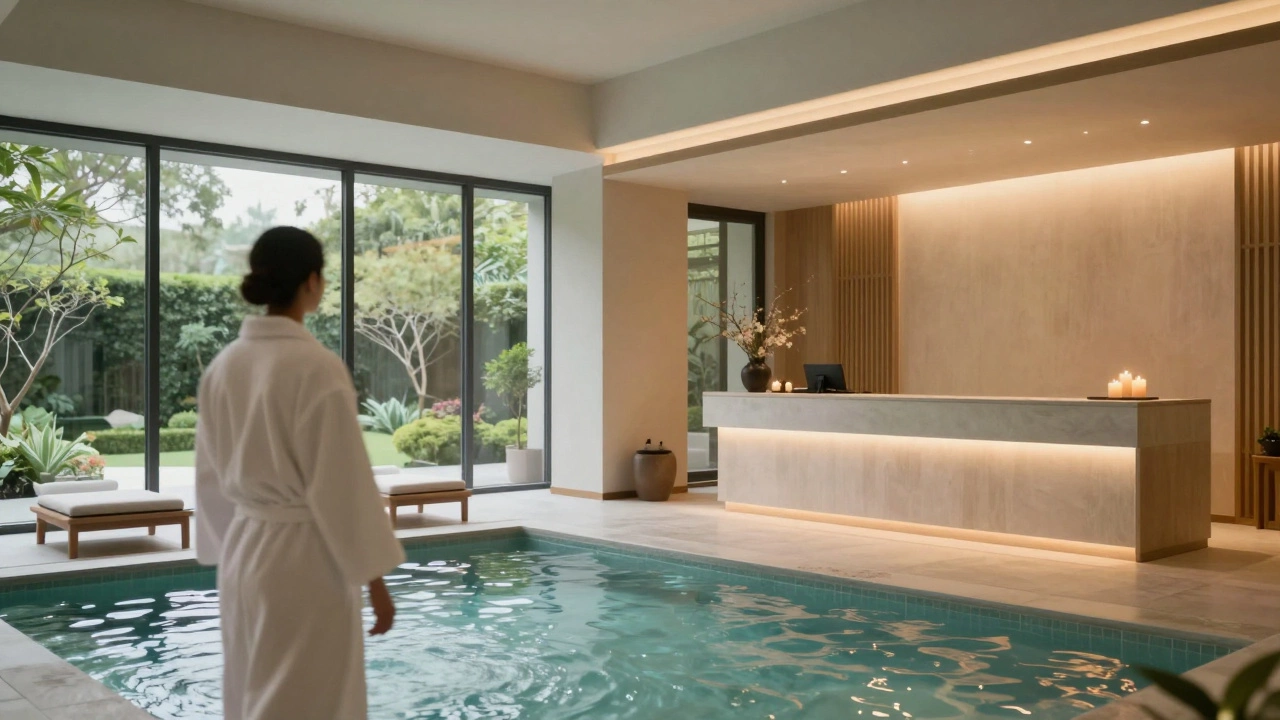
Imagine checking into a high-end hotel after a grueling twelve-hour flight. Your back aches, your jet lag is kicking in, and you just want to sleep. But instead of dragging yourself straight to the room, you head down to the hotel spa, a dedicated wellness facility within a hospitality property offering treatments like massages, facials, and hydrotherapy. An hour later, you emerge feeling lighter, clearer, and oddly more connected to your trip. You book dinner at the hotel’s restaurant. You stay an extra night. This isn’t just relaxation; it’s a calculated business strategy.
For decades, spas were seen as a nice-to-have amenity, a fluffy addition to sell to honeymooners. Today, they are a critical engine for profitability and brand loyalty. But why exactly do hotels invest millions in building these serene sanctuaries? It goes far beyond selling a sixty-minute massage. Let’s look at the hard numbers and the psychology behind the trend.
The Revenue Multiplier Effect
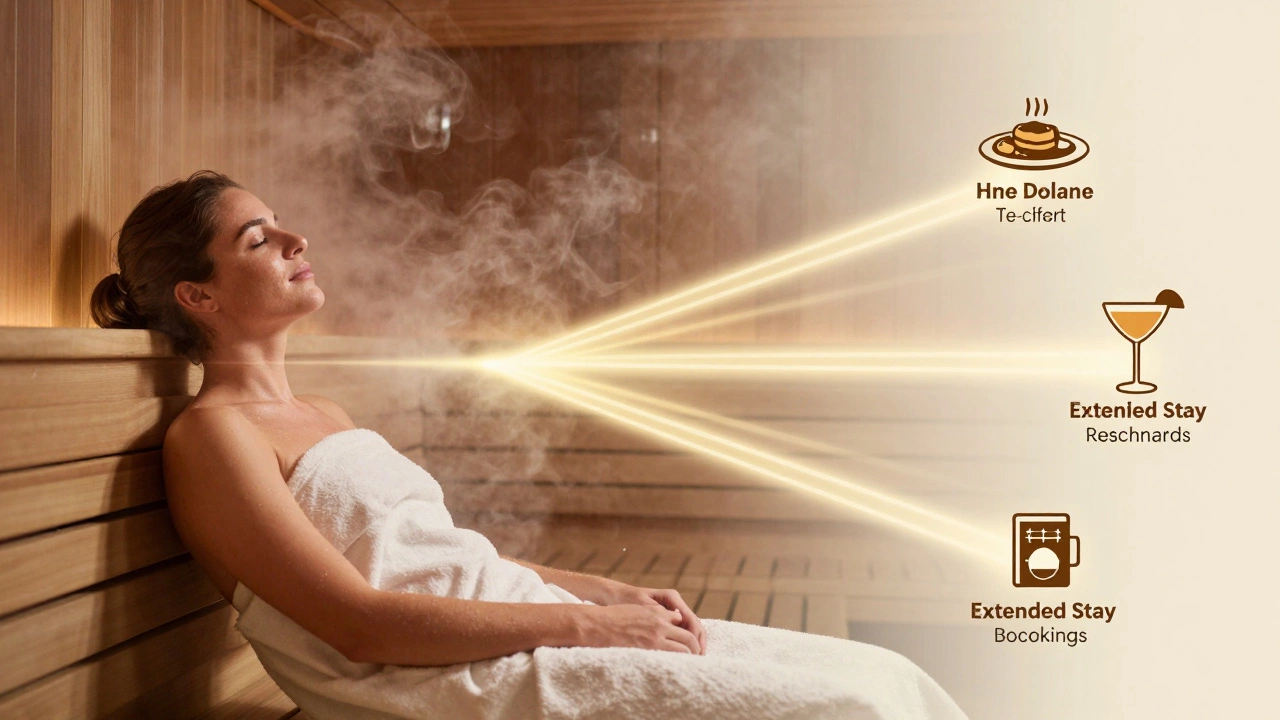
The most obvious reason is direct income. A well-run spa is a significant profit center. However, the real magic happens when you look at the "halo effect." Guests who visit the spa spend substantially more on other hotel services. Data from hospitality industry analysts shows that spa guests often spend up to 30% more on food and beverage compared to non-spa guests. They’re in a relaxed state, less likely to count every penny, and more inclined to indulge in a cocktail or a late-night snack.
Furthermore, spas allow hotels to charge premium rates. A room with access to a world-class wellness center can command a higher average daily rate (ADR) than a comparable room without one. It becomes part of the value proposition. When travelers compare two five-star options, the one with the renowned thermal pool or signature treatment wins out, allowing the property to maintain pricing power even during softer seasons.
Extending Length of Stay
In the travel industry, length of stay (LOS) is king. Every additional night means more revenue from rooms, breakfast, and incidental charges. Spas are powerful tools for extending LOS. Why? Because they create a reason to stay put. Instead of leaving the hotel to explore the city, guests schedule a morning yoga session, a midday facial, and an evening body scrub. These appointments anchor them to the property.
This is particularly effective for leisure travelers who might otherwise pack up and leave after a day of sightseeing. By offering immersive experiences-like sound healing workshops or private meditation gardens-the hotel transforms from a place to sleep into a destination itself. The spa doesn't just treat the body; it occupies the mind and time, keeping guests on-site longer.
Attracting the Wellness Traveler
The demographic landscape of travel has shifted. The rise of "wellness tourism" has created a new class of traveler: the health-conscious explorer. According to recent global reports, the wellness travel market is projected to reach over $1 trillion by 2027. These travelers aren't looking for party scenes or bustling nightlife. They seek restoration, mindfulness, and physical rejuvenation.
Hotels without spas are invisible to this lucrative segment. If a traveler is planning a retreat focused on detoxification or stress relief, a standard business hotel won't make the shortlist. Having a robust spa program signals that the hotel understands modern needs. It allows properties to tap into niche markets like medical tourism, where patients combine procedures with recovery stays, or eco-tourism, where natural therapies align with sustainable values.
Business Traveler Retention
You might think spas are irrelevant for corporate clients, but that’s a misconception. Business travelers are under immense pressure. They face tight deadlines, long meetings, and frequent time zone changes. A quick twenty-minute neck and shoulder massage can be the difference between a productive afternoon and burnout. Many corporate contracts now include wellness credits because companies recognize that rested employees perform better.
Moreover, the spa serves as a neutral ground for client entertainment. Instead of taking a potential partner to a noisy bar, a host might invite them for a couples’ treatment or a quiet lunch at the spa café. It’s a sophisticated way to build rapport. For the hotel, this means securing repeat business from corporations that prioritize employee well-being and executive comfort.
Brand Differentiation and Loyalty
In a saturated market, differentiation is survival. Two hotels might have similar room sizes, similar locations, and similar star ratings. What sets them apart? Often, it’s the sensory experience. A spa offers scents, textures, sounds, and tastes that create lasting memories. These emotional connections drive loyalty. Guests remember how they felt, not just where they slept.
Brands like Ritz-Carlton or Four Seasons use their spas as extensions of their core identity. The spa reinforces the promise of luxury and care. When a guest feels pampered, they associate that positive emotion with the entire brand. This leads to higher Net Promoter Scores (NPS) and organic word-of-mouth marketing. People don’t just recommend a hotel; they recommend the experience of being renewed there.

Operational Synergies and Staff Benefits
A spa also improves internal operations. It provides employment opportunities for skilled therapists, aestheticians, and wellness coaches, creating a diverse workforce. More importantly, many hotels offer complimentary or discounted spa access to staff. Burnout is a major issue in hospitality. Giving employees a space to decompress improves morale, reduces turnover, and enhances service quality across the board. Happy staff lead to happy guests.
Additionally, spas can utilize off-peak hours for local community events, such as weekend yoga classes or wellness seminars. This builds goodwill in the surrounding area and keeps the facility active even when hotel occupancy is low. It turns a cost center into a community hub, further embedding the hotel into the local fabric.
| Hotel Type | Primary Spa Function | Key Guest Benefit | Revenue Driver |
|---|---|---|---|
| Luxury Resort | Destination Experience | Immersion & Escape | Packages & F&B Upsell |
| Urban Boutique | Quick Rejuvenation | Stress Relief | Express Treatments |
| Business Hotel | Productivity Boost | Energy Restoration | Corporate Contracts |
| Wellness Retreat | Health Transformation | Physical/Mental Healing | Multi-Day Programs |
The Future of Hotel Spas
Looking ahead, the role of the spa will only expand. Technology is integrating into wellness, with AI-driven skin analysis and VR meditation becoming common features. Sustainability is also key; guests expect eco-friendly products and water-saving practices. Hotels that adapt their spas to reflect these trends will stay relevant. Those that cling to outdated models risk losing their competitive edge.
Ultimately, having a spa isn't about indulgence. It's about understanding the human need for balance in an increasingly chaotic world. By providing a space for restoration, hotels don't just fill beds-they enrich lives. And in doing so, they secure their own financial future.
Do all hotels need a spa?
Not necessarily. Budget chains and limited-service hotels often find the ROI too low due to high construction and staffing costs. However, for mid-scale and upscale properties, especially those targeting leisure or wellness travelers, a spa is increasingly essential for competitiveness.
How much does it cost to build a hotel spa?
Costs vary widely based on size and amenities. A small urban spa might cost $500,000-$1 million, while a large resort spa with pools and multiple treatment rooms can exceed $5 million. Key factors include plumbing, ventilation, and luxury finishes.
What is the average profit margin of a hotel spa?
Spas typically operate with net profit margins between 10% and 20%. However, when factoring in the indirect revenue from increased room rates and F&B sales, the overall contribution to hotel profitability is significantly higher.
Can a spa help attract younger travelers?
Yes, if it focuses on modern wellness trends. Younger demographics are interested in fitness integration, mental health support, and tech-enabled beauty treatments. Offering yoga, cold plunge pools, and skincare consultations appeals to this group.
Is it better to outsource the spa management?
Outsourcing to specialized brands (like Chatrium or Mandara) brings expertise and brand recognition but reduces direct profit control. In-house management offers more flexibility and higher margins but requires strong operational skills. The best choice depends on the hotel's resources and strategic goals.