Why the US Doesn't Have All-Inclusive Resorts Like Other Countries
 Dec, 1 2025
US vs Caribbean Resort Cost Calculator
Calculate Your Resort Costs
Cost Comparison
US Hotel (A la Carte)
Total Cost: $0.00
Room rate + food/drinks + activities
Caribbean All-Inclusive
Total Cost: $0.00
All-inclusive resort rate
Why the Difference?
US hotels rely on upselling food, drinks, and activities for profit. Labor costs, union regulations, and franchise structures make all-inclusive models difficult to implement in the US.
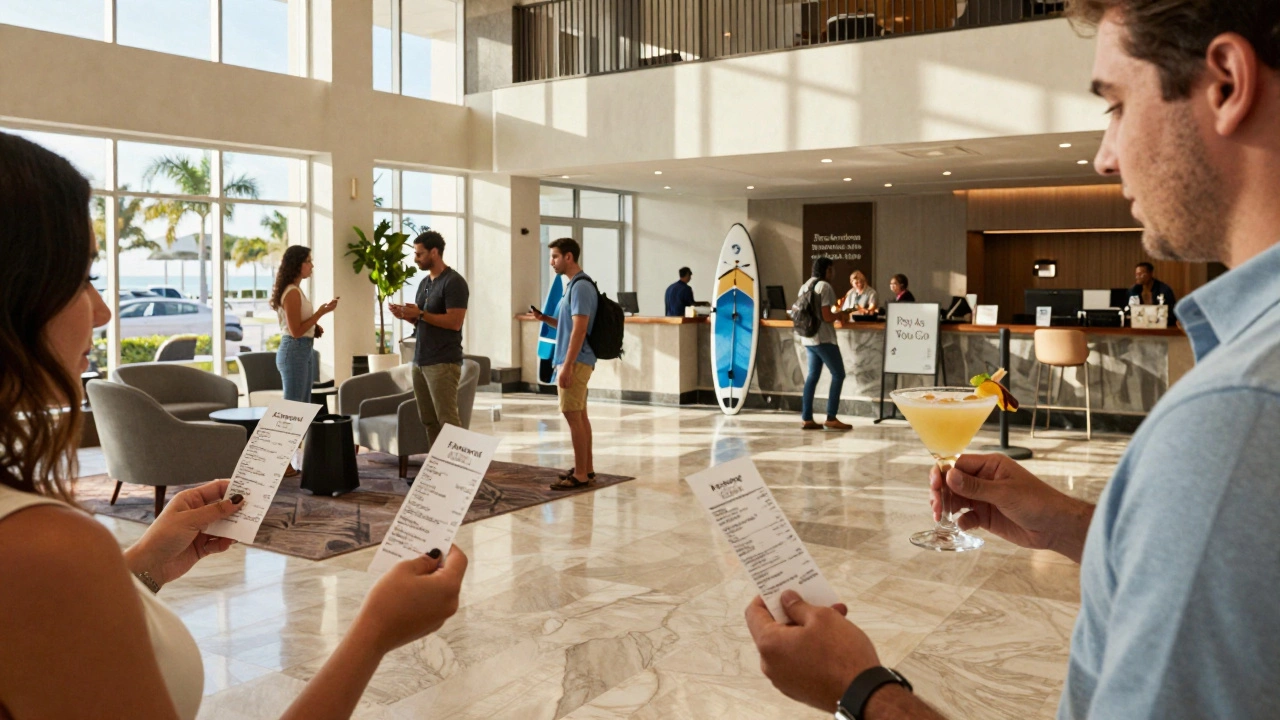
Walk into a resort in Mexico, Jamaica, or the Dominican Republic, and you’ll find everything covered: meals, drinks, snacks, activities, even tips. But step into a hotel in Florida, California, or New York, and you’re handed a bill for every coffee, every cocktail, every paddleboard rental. Why does the US not allow all-inclusive? It’s not that it’s illegal. It’s that the system never took root-and here’s why.
The US Hotel Model Was Built on A La Carte
American hotels didn’t evolve from beachfront vacation spots like those in the Caribbean. They grew out of urban business stops, railroad terminals, and roadside motels. The focus was always on providing a clean bed and a place to eat-not a full vacation package. Even luxury hotels like The Plaza in New York or The Biltmore in Santa Barbara offered fine dining, but you paid for each course, each glass of wine. This became the standard: pay for what you use.By the 1980s, when all-inclusive resorts exploded in popularity across the Caribbean, the US hospitality industry was already locked into a revenue model built on upselling. Hotels made more money from room service, minibars, spa treatments, and premium cocktails than they did from the base room rate. Turning to all-inclusive would’ve meant giving up a huge chunk of profit.
Why All-Inclusive Doesn’t Fit the American Mindset
Americans don’t just pay for things-they expect to choose. Want a steak or a salad? Pay for it. Prefer a margarita over a soda? That’s extra. Want to take a yoga class? Sign up and pay $25. The idea of paying one price and getting everything feels like a loss of control.There’s also a cultural discomfort with perceived value. If everything’s included, people worry they’re overpaying for stuff they won’t use. In Mexico, guests know they’ll eat five meals a day and sip rum by the pool. In the US, many travelers plan to eat out in town, hike nearby trails, or cook in their Airbnb. All-inclusive feels wasteful when you’re not going to use it.
A 2023 survey by the American Hotel & Lodging Association found that 68% of US travelers said they prefer to pick and choose their extras. Only 14% said they’d pay more upfront for everything to be included. That’s not a small gap-it’s a chasm.
Labor Costs and Union Rules
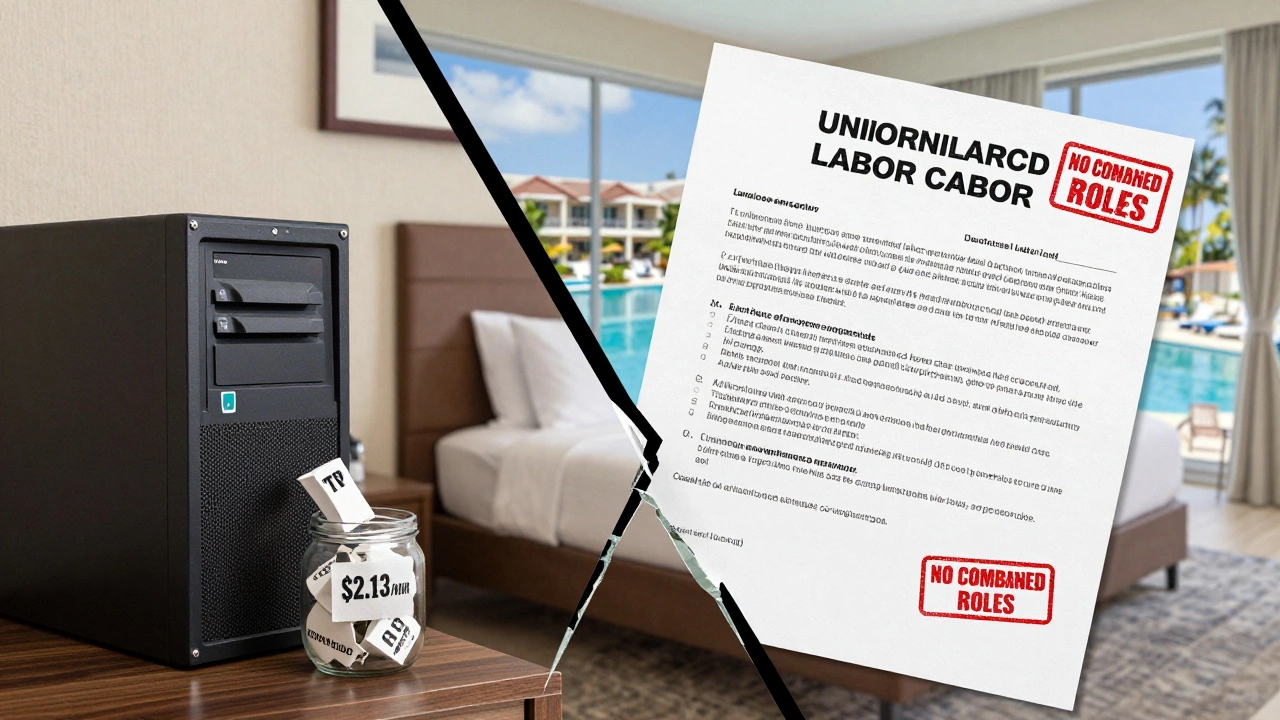
All-inclusive resorts rely on a tight, efficient staff structure. One server covers your meals, drinks, and poolside snacks. In the US, labor laws and union contracts make that nearly impossible. In Florida or California, servers, bartenders, housekeepers, and activity instructors are often separate employees with different wage scales, tips, and union protections.Trying to combine roles? You’d face legal pushback. Paying one flat rate that covers everything? That would mean reducing tips, which is illegal under federal labor law unless workers are explicitly paid a higher base wage. And even then, most workers rely on tips to make a living wage. In the US, a server might make $2.13 an hour plus tips. In an all-inclusive model, tips disappear. So do the workers.
There’s also the issue of overtime. If a guest is drinking until 2 a.m., do you pay your staff for extra hours? In a Caribbean resort, the staff is on a fixed schedule. In the US, you’d need to track every minute and pay accordingly. It’s not practical.

Corporate Ownership and Franchise Rules
Most US hotels aren’t owned by the brand-they’re franchises. A Marriott in Orlando is run by a local owner who bought the rights to use the name. That owner pays franchise fees, but they keep all the revenue from food, drinks, and services. All-inclusive would mean giving up control over those profits.Franchise agreements often require hotels to offer certain food and beverage options at specific markups. Marriott, Hilton, and Hyatt all have strict guidelines for minibar pricing, restaurant margins, and bar revenue targets. Switching to all-inclusive would break those contracts. And why would a hotel owner risk it? The math doesn’t work.
Even big chains that tried it-like Hyatt’s short-lived all-inclusive resort in Cancún-found that American guests didn’t spend more. They just ate more. And the resort lost money on alcohol and premium food. The experiment was shut down after two years.
What About the Few US All-Inclusive Resorts?
You’ll find a handful of all-inclusive resorts in the US. The most notable is Club Med a French-owned all-inclusive resort chain that operates in Florida and Colorado. But even Club Med in Orlando is an outlier. It’s owned by a foreign company, targets European tourists, and charges nearly double what a standard Florida resort does.There’s also The Villages a massive retirement community in Florida that offers meals, activities, and transportation as part of monthly fees. But it’s not a hotel-it’s a lifestyle. And it’s for seniors, not vacationers.
Some luxury lodges in Montana or Colorado offer “full-board” packages, but they’re rare, expensive, and marketed as exclusive retreats-not mass-market vacations. They don’t compete with the mainstream hotel industry.
Why It Won’t Change Soon
The US doesn’t have all-inclusive resorts because the entire system is built to prevent it. Labor laws, franchise structures, consumer habits, and profit models all line up against it. Even if a hotel wanted to try, they’d need to overhaul staffing, renegotiate contracts, retrain employees, and convince guests to pay more upfront for something they don’t fully trust.And let’s be honest-most Americans don’t ask for it. When you Google “best all-inclusive resorts,” the top results are all outside the US. When you search “best Florida resorts,” the top results are hotels with free breakfast and $12 cocktails. That’s the American way.
There’s no sign this will change. Even as younger travelers crave convenience, they still want choice. They’d rather book a hotel near a food hall than pay for a resort where the only Mexican food is a burrito made from frozen beans.
What You Can Do Instead
If you want the simplicity of all-inclusive without leaving the US, here’s how to fake it:- Book a hotel with free breakfast and a happy hour-many upscale hotels offer $5 cocktails and snacks from 5 to 7 p.m.
- Choose resorts with complimentary activities: kayaking, bike rentals, yoga classes. Many beachfront properties in Florida and Hawaii include these.
- Use meal credits as a workaround. Some luxury hotels let you add $100-$200 per night toward food and drinks. It’s not all-inclusive, but it’s close.
- Stay at a condo-style resort with a kitchen. Cook your own meals, grab groceries, and only pay for drinks and extras when you want them.
The closest thing to all-inclusive in the US isn’t a resort. It’s a smart combo of free perks and self-service.
Will the US Ever Go All-Inclusive?
Maybe-but not because of demand. It’ll happen if labor laws change, if unions agree to flat wages without tips, and if foreign investors buy up enough hotel chains to override franchise rules. That’s a big if.Right now, the US doesn’t have all-inclusive resorts because the system works too well-for the hotels, the workers, and the guests who like to pick and choose. Change would mean upending a $1.2 trillion industry built on choice, not convenience.
So if you want true all-inclusive? Fly south. You’ll find it waiting for you-with no extra charges, no receipts, and no guilt.
Are there any all-inclusive resorts in the United States?
Yes, but they’re rare and mostly targeted at international tourists. Club Med has resorts in Florida and Colorado that offer all-inclusive packages, but they’re priced higher than typical US hotels and attract mostly European visitors. Some luxury lodges in remote areas like Montana or Colorado offer full-board stays, but these are more like private retreats than mass-market resorts.
Why don’t US hotels offer free drinks like Caribbean resorts?
US hotels rely on drink sales for profit. Bartenders and servers depend on tips, and federal labor laws make it hard to pay them a higher base wage without losing the tipping system. Free drinks would cut into revenue and reduce income for staff, making it financially unviable under current rules.
Is all-inclusive more expensive in the US if it existed?
Yes. Because labor, real estate, and food costs are higher in the US, an all-inclusive resort would need to charge significantly more than its Caribbean counterparts to cover expenses. A $300/night Caribbean all-inclusive might cost $700+ in Florida just to break even.
Do Americans even want all-inclusive vacations?
Most don’t. A 2023 survey showed 68% of US travelers prefer to pay for what they use. Many plan to eat out, explore local restaurants, or cook in their rooms. All-inclusive feels like paying for meals you won’t eat or drinks you won’t want.
Can I get an all-inclusive experience without leaving the US?
You can come close. Book a hotel with free breakfast, happy hour deals, and complimentary activities like kayaking or bike rentals. Stay at a condo-style resort with a kitchen so you can cook your own meals. Add a meal credit package if available. It’s not perfect, but it’s the closest you’ll get.