How Many Meals Do You Get at All-Inclusive Resorts?
 Apr, 26 2026
All-Inclusive Dining Value Estimator
Trip Details
Dining Habits
Dining Analysis
Feature Checklist:
The short answer is that you typically get three main meals-breakfast, lunch, and dinner-plus snacks and drinks. But the all-inclusive meal plan is rarely that simple. Depending on the tier of the resort, you might have access to a massive buffet, a few à la carte restaurants, or even 24-hour room service. Let's break down exactly what you can expect so you don't leave your wallet in the room only to find out you need it for a sandwich by the pool.
The Standard Three-Meal Foundation
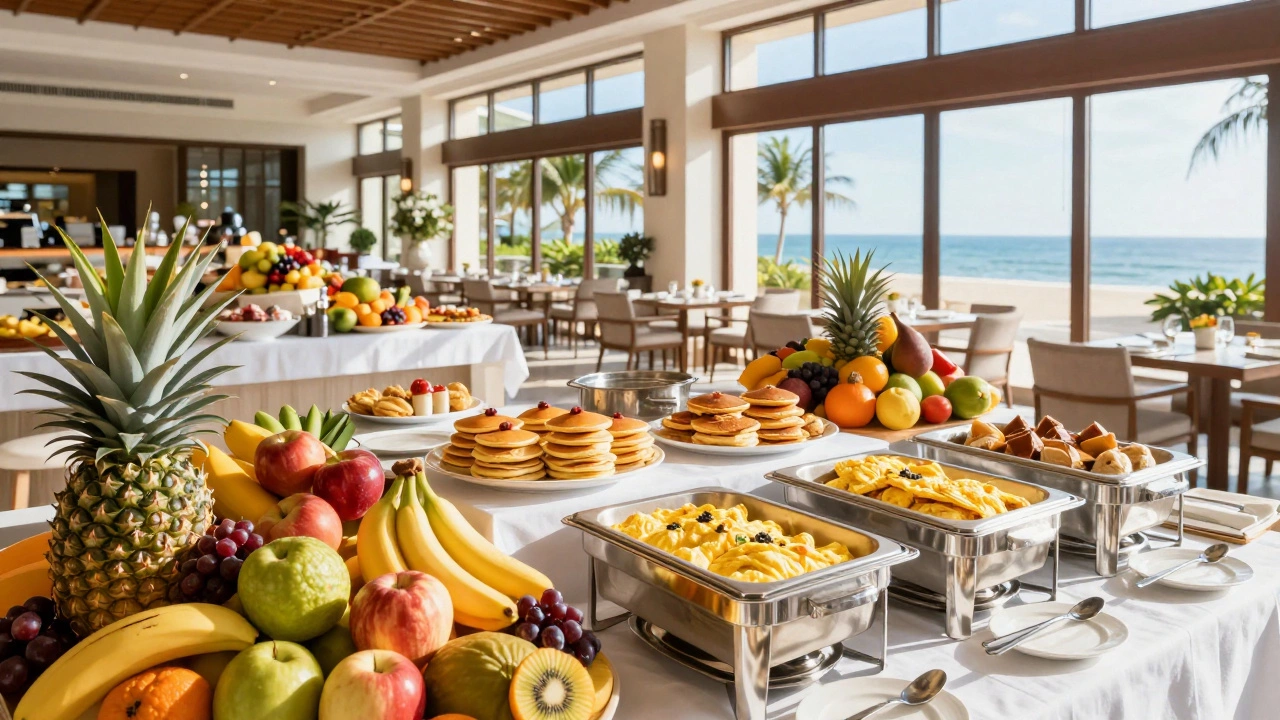
Most resorts build their dining around the classic trio. Breakfast is the most consistent meal, usually served as a massive buffet with everything from tropical fruits and pastries to omelets and pancakes. You'll usually find this in a main dining hall from 7 AM to 11 AM. It's designed to fuel you up for a day of lounging or excursions.
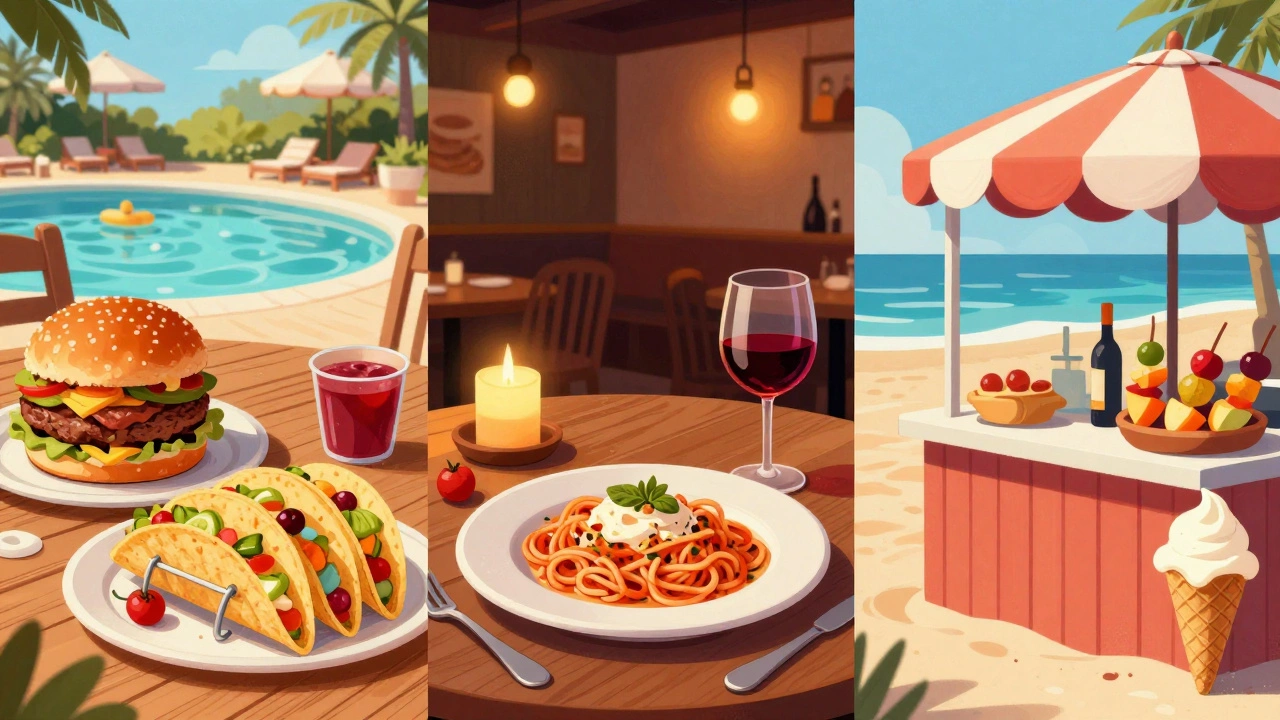
Lunch is often more casual. Think poolside burgers, tacos at a beach shack, or a lighter buffet. Many resorts use a "grab-and-go" style for lunch so you don't have to trek back to the main building while you're halfway through a nap on a sunbed.
Dinner is where the variety kicks in. You'll usually have a choice between a large international buffet or a few themed à la carte restaurants (like an Italian trattoria or a seafood grill). Some high-end resorts require reservations for these specialty spots, while others are first-come, first-served.
Beyond the Basics: Snacks and Midnight Cravings
If you're someone who eats every two hours, you'll be happy to know that "three meals" is rarely the limit. Most all-inclusive properties incorporate snack bars. These are strategically placed near the beach or the pool and offer things like ice cream, french fries, or fresh fruit skewers. These are typically available between the main meal windows-say, 11 AM to 12 PM and 4 PM to 6 PM.
Then there's the question of the "midnight snack." In luxury resorts, you might find a 24-hour deli or room service that is included in your price. However, in mid-range hotels, the kitchen might close at 10 PM. If you're planning a late-night gaming session or a long evening of cocktails, check if the resort offers late-night bites. Some only offer them at the bar, while others have a dedicated 24/7 snack station.
The "Hidden" Costs and Tiered Dining
Here is where it gets tricky. Not everything that looks like food is necessarily free. Many resorts use a tiered system. You have the "Standard" inclusions and then the "Premium" or "A la Carte" upgrades. You might find a stunning Teppanyaki grill that looks all-inclusive, only to discover it's a "surcharge" restaurant. This means you pay a flat fee (e.g., $40) or a per-dish price to eat there.
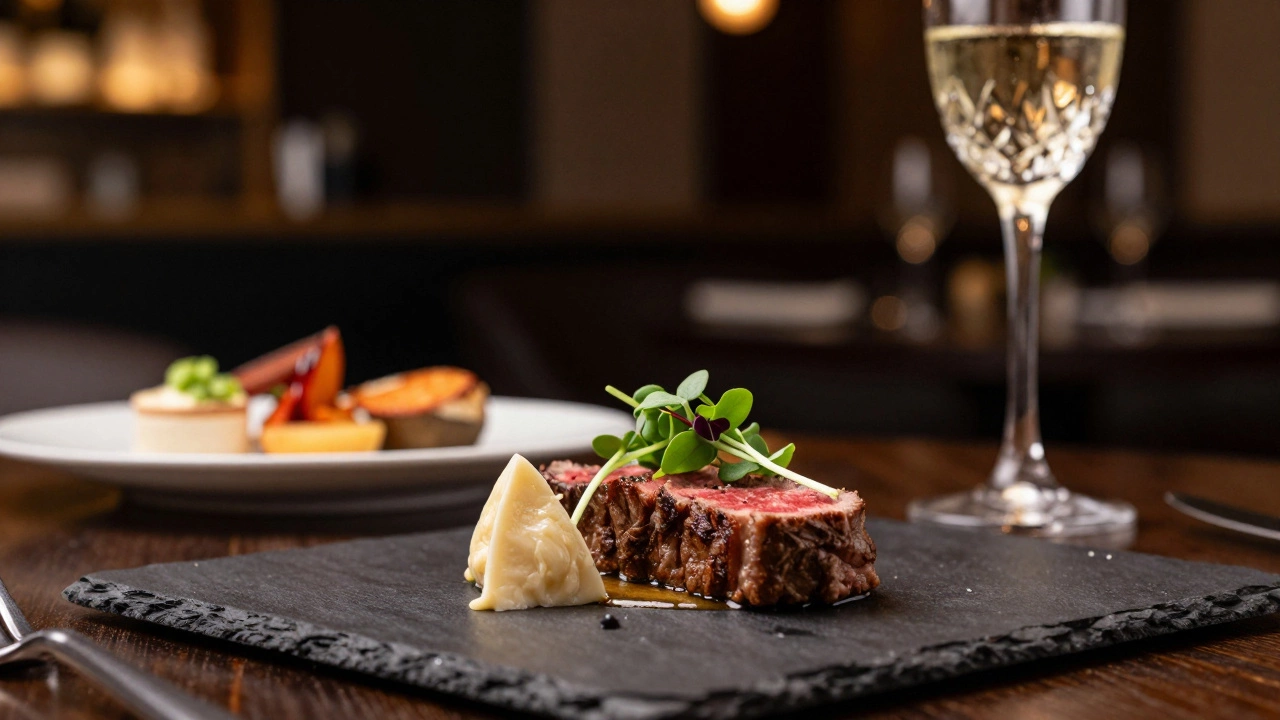
Another common trap is the "Premium' menu. A resort might give you a free burger, but if you want the Wagyu beef version, you'll see a price tag next to it. It's a psychological trick to get you to spend more. When you see a menu, look closely for the words "Included" or "Premium." If there's a price listed, it's not part of your package.
| Feature | Standard All-Inclusive | Premium/Ultra All-Inclusive | European Plan (Room Only) |
|---|---|---|---|
| Main Meals | Buffet-focused | À la carte & Buffet | Not included |
| Snacks | Scheduled times | 24/7 Availability | Not included |
| Specialty Dining | Limited or Surcharge | Fully included | Pay per meal |
| Room Service | Often extra charge | Included (Select times) | Pay per order |
Navigating the Buffet vs. À la Carte Struggle
Buffets are the heartbeat of the all-inclusive experience. They are efficient and offer variety, but they can feel like a cafeteria after three days. The real win is the à la carte experience. These are smaller, more intimate restaurants where a server takes your order.
Pro tip: check the reservation policy on day one. Some resorts use an app for bookings, and the most popular spots (like the French bistro or the Sushi bar) can fill up for the entire week within hours of guest check-in. If you wait until the night you're hungry to book, you'll likely be stuck at the buffet for the duration of your trip.
Drinks: The Liquid Part of the Meal
You can't talk about meals without talking about what you're drinking with them. Most all-inclusive plans cover "house" drinks. This means the local beer, the house wine, and standard cocktails like a Margarita or a Mojito. However, if you're a fan of a specific brand of high-end scotch or a vintage champagne, expect to pay extra.
Water is usually included, but sometimes only at dispensing stations. If you want a sealed bottle of imported sparkling water delivered to your poolside lounge, that might be a paid add-on. It sounds nitpicky, but those $8 bottles add up over a week.
Tips for Maximum Value
To actually get your money's worth, you need a strategy. Don't just eat because it's free; eat because you're hungry. It's easy to overeat at a buffet, which can make you feel sluggish and bloated-not exactly the vibe for a beach vacation. Instead, use the snacks to bridge the gap between meals.
If you have dietary restrictions, let the hotel know well in advance. While buffets are great for variety, they can be nightmares for people with severe allergies or specific diets like veganism. Most resorts have a chef who can prepare a separate, included meal for you if you just ask, rather than scavenging for the only three vegan-friendly items in the salad bar.
Do I have to eat at the hotel for every meal?
You aren't prisoners! You can eat at local restaurants, but remember that those costs are entirely out-of-pocket. Some people find that eating one meal a day in town helps them experience the local culture while still getting value from their resort package.
Is room service usually free in all-inclusive resorts?
It depends on the resort's star rating. Ultra-luxury resorts often include 24-hour room service. Mid-range resorts might offer a free continental breakfast in your room but charge for dinner or late-night snacks. Always check the "Dining" section of your welcome packet.
What happens if I miss a scheduled meal time?
If you sleep through breakfast or arrive late for dinner, you usually can't just "swap" that meal for a snack. However, most resorts have a 24-hour snack bar or a lobby cafe where you can grab something. Some may allow you to eat a late breakfast at a different venue, but it's not guaranteed.
Are drinks during meals included?
Yes, house wines, sodas, and water are almost always included. Just be wary of "Premium" wine lists or top-shelf spirits, which will typically have a price listed next to them on the menu.
Can I bring my own food into the resort?
Most resorts allow you to bring snacks in your luggage. However, some have strict rules against bringing outside alcohol or large coolers of food due to health and safety regulations. It's best to check the resort's policy before packing a suitcase full of granola bars.
What to do next
If you're currently booking a trip, don't just trust the "All-Inclusive" label on the website. Look for a detailed "Dining Plan" PDF or a list of included restaurants. If you're already at the resort, head straight to the concierge or the app to book your specialty dinners for the week. If you find yourself consistently hungry between meals, scout out the location of the nearest snack bar-they are often tucked away in corners of the property that aren't immediately obvious.