All-Inclusive Dining: What’s Really Included and Where It Works
When you book all-inclusive dining, a vacation package where meals, drinks, and sometimes activities are covered in one upfront price. Also known as all-inclusive resorts, it promises zero surprises at mealtime—until you realize the premium tequila or lobster dinner isn’t included. It’s not magic. It’s a business model built on volume, control, and careful limits.
Most places offering all-inclusive dining include basic breakfasts, lunches, and dinners—usually buffet-style with a few plated options. Drinks? Typically local beer, house wine, and soft drinks. But step outside that box—say, you want a gin and tonic with imported gin—and you’re hitting a paywall. Resorts cap premium spirits, limit cocktail choices, and sometimes restrict serving times. Some even quietly limit you to six drinks per person per day, not because they’re stingy, but because they’ve calculated how much alcohol people actually consume before getting rowdy. It’s not a trick—it’s a cost-saving rule baked into the price.
And here’s the twist: all-inclusive dining doesn’t really exist in the UK or the US the way it does in Mexico or the Caribbean. American hotels rely on tipping, à la carte menus, and flexible spending. British cottages? You’re more likely to find a well-stocked kitchen than a 24-hour bar. That’s why places like Hawaii don’t offer true all-inclusive deals—they’re built for travelers who want to explore local food, not eat the same buffet every night. Meanwhile, in places where labor costs are lower and tourism is the main industry, all-inclusive works. It’s not about luxury—it’s about predictability for the resort and convenience for you.
But it’s not just about what’s on the plate. Think about waste. All-inclusive resorts go through tons of food—buffets get refilled, leftovers pile up, and much of it ends up in landfills. Some are starting to compost, donate, or use apps to track waste, but it’s still a massive problem. And if you’re paying for unlimited food, do you really need to take five plates? Small choices add up.
Booking through a travel agent can sometimes unlock better all-inclusive deals—hidden perks like free upgrades, early check-in, or even a bottle of champagne on arrival. Online booking sites? They often show the base price, but agents know which properties quietly throw in extras to move inventory. It’s not about paying more—it’s about getting more without asking.
So is it worth it? If you’re traveling with kids, hate planning meals, or just want to unplug and not worry about tabs, yes. If you love trying local food, care about sustainability, or hate buffets, maybe not. The best deals aren’t the cheapest—they’re the ones that match your style. You don’t need to eat like a king to have a great trip. Sometimes, the quietest, most memorable moments happen after the last drink is poured, the plates are cleared, and you’re sitting outside with nothing but the sound of the sea—and no bill in sight.
Below, you’ll find real stories from people who’ve been there—what they got, what they didn’t, and what they wish they’d known before booking.
Are All-Inclusive Resorts Really All You Can Eat?
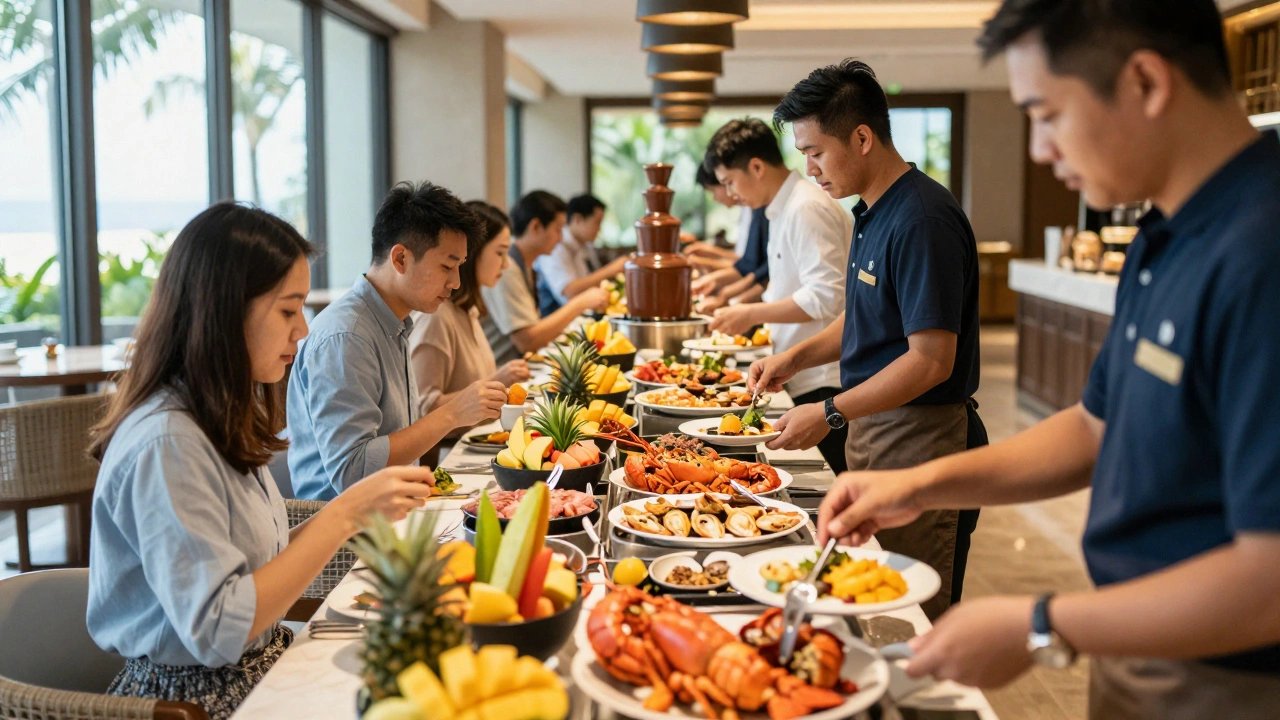
All-inclusive resorts promise unlimited food and drinks, but most have limits. Learn what's really included, where the hidden costs hide, and how to eat your money's worth without overdoing it.
- Dec, 1 2025
- 0 Comments