Eco-Friendly Building Materials: What Works, What Costs, and Where to Start
When you hear eco-friendly building materials, construction products designed to reduce environmental harm through low emissions, renewable sourcing, or recyclability. Also known as green building materials, they’re not just a trend—they’re becoming the smartest way to build, whether you’re putting up a tiny cabin or a full-size home. These materials aren’t just about bamboo floors or recycled steel. They’re about how every brick, insulator, and paint can either drain resources or help the planet heal. And the best part? You don’t need a billionaire’s budget to use them.
Take natural materials, building substances derived from the earth with minimal processing, like clay, straw, hemp, and timber. Also known as biobased materials, they’re used in everything from insulation to walls and have been trusted for centuries in Europe and beyond. Hempcrete, for example, locks away carbon as it cures, while reclaimed timber gives old wood a second life instead of sending it to the landfill. Then there’s low-carbon construction, building methods and materials that produce far less greenhouse gas over their entire life cycle, from manufacturing to demolition. This isn’t just about solar panels—it’s about choosing concrete made with fly ash instead of virgin cement, or insulation from recycled denim instead of petroleum-based foam. These choices add up, and they’re already being used in cottages across the UK and the US.
People often think green building means higher prices, but that’s changing fast. Some eco-friendly materials, like sheep’s wool insulation or cork flooring, now cost less than traditional options thanks to better supply chains and local sourcing. Others, like solar-integrated roof tiles, pay for themselves over time through energy savings. The real cost isn’t the upfront price—it’s the long-term damage from materials that leak energy, pollute indoor air, or end up in landfills after a decade. And if you’re curious about how real people are doing this on a budget, you’ll find plenty of step-by-step guides below, from DIY builds using straw bales to affordable retrofits that cut bills by half.
What you’ll find here isn’t theory. It’s real examples: how Jeff Bezos built a $500 million eco-friendly compound using materials most homeowners can access, why Vermont leads the US in green building adoption, and how to pick materials that actually last without greenwashing. Whether you’re planning to build from scratch, renovate an old cottage, or just want to make smarter choices for your next rental, these posts break it all down—no jargon, no fluff, just what works and what doesn’t.
What is the most eco-friendly material to build with for cottages?
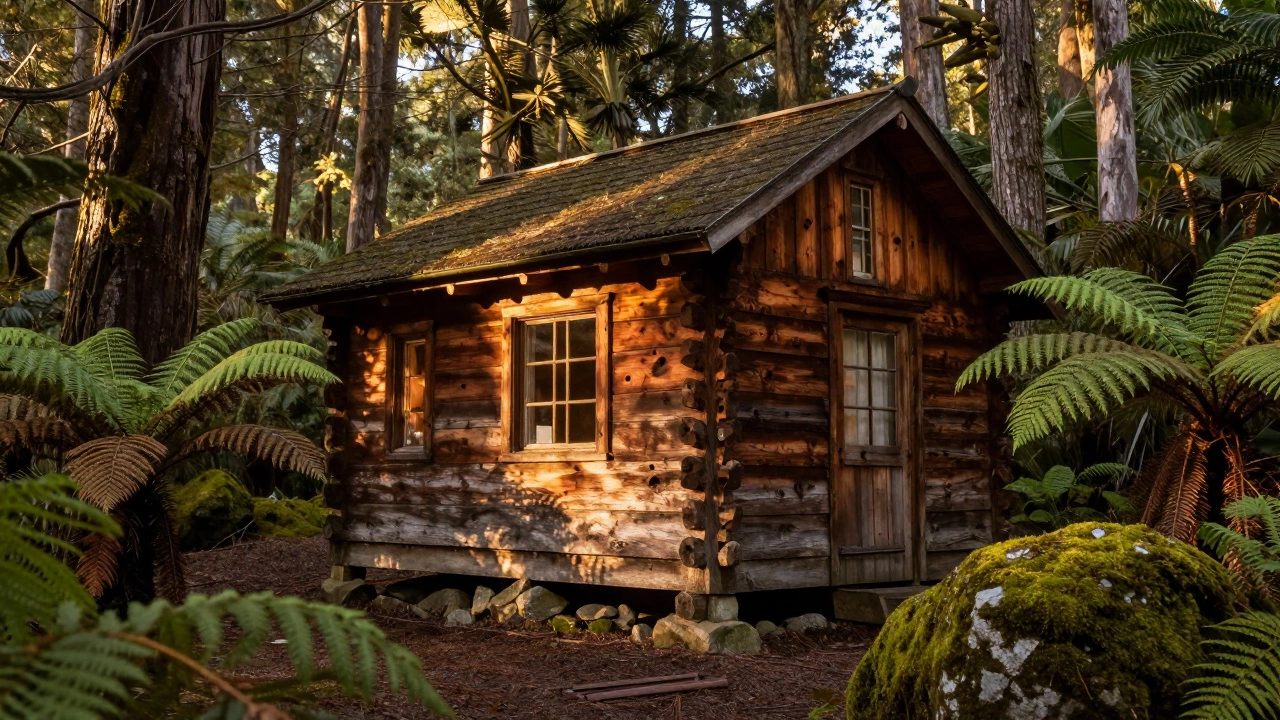
Discover the most eco-friendly materials for building cottages-reclaimed wood, bamboo, rammed earth, hempcrete, and recycled steel. Learn how each performs in real-world conditions and which is best for sustainable living.
- Mar, 1 2026
- 0 Comments
What Building Materials Are Not Eco-Friendly? Top Harmful Choices for Eco-Friendly Cottages
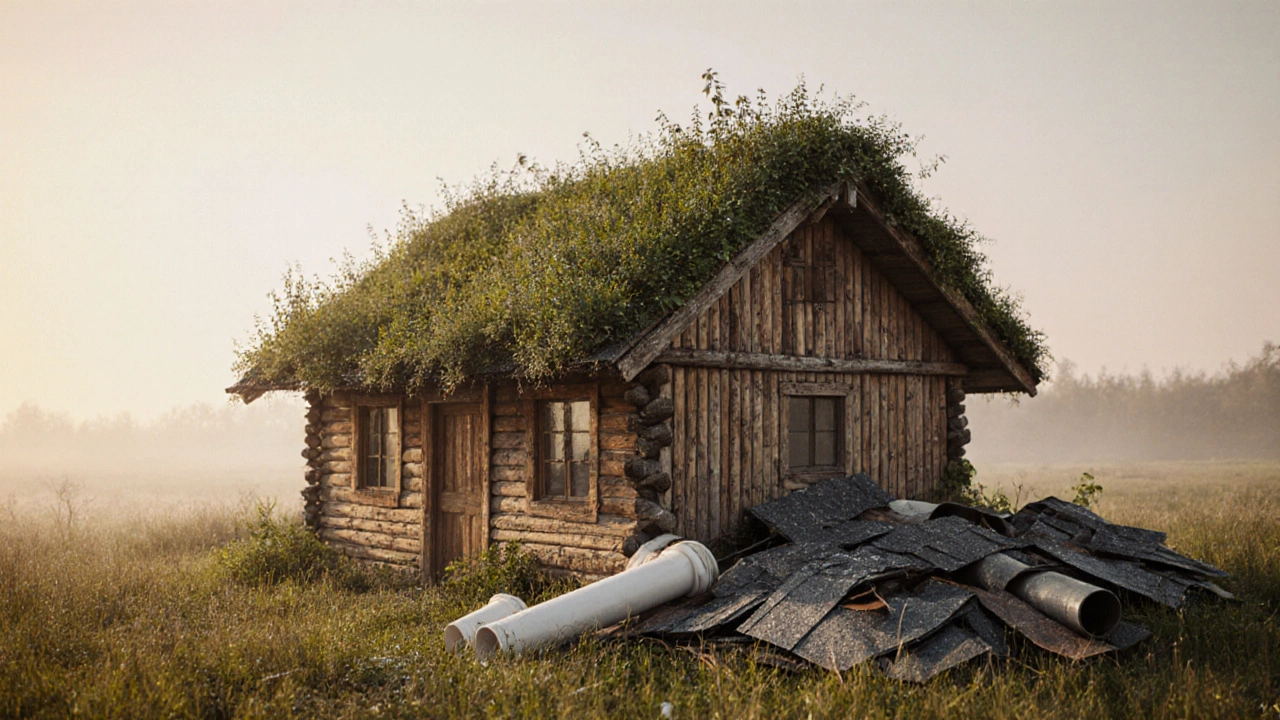
Discover the most harmful building materials to avoid when building an eco-friendly cottage - from PVC and spray foam to pressure-treated wood and conventional concrete. Learn safer, sustainable alternatives that protect your health and the planet.
- Nov, 8 2025
- 0 Comments