Green Building Materials for Eco-Friendly Cottages
When you build an eco-friendly cottage, a home designed to minimize environmental impact through sustainable materials and energy-efficient design. Also known as a green home, it’s not just about solar panels or recycling bins—it starts with what the walls are made of. Green building materials are the foundation. They’re not just "natural" or "recycled"—they’re chosen because they don’t poison the air you breathe, don’t leak toxins into the soil, and don’t cost the earth to produce. Think bamboo instead of treated pine, clay plaster instead of drywall, and sheep’s wool insulation instead of spray foam. These aren’t niche choices anymore. They’re practical, affordable, and proven—especially in places like the UK, where old cottages are being restored with modern ethics.
Not all "eco" labels are real. Some materials scream green but hide toxic secrets. PVC, a plastic used in pipes and flooring, releases dioxins when made or burned. Also known as polyvinyl chloride, it’s still common in cheap renovations—but it’s a bad fit for a healthy home. Then there’s spray foam insulation, a popular choice for sealing gaps, but it often contains carcinogenic chemicals and can off-gas for years. Also known as polyurethane foam, it’s a trap for people trying to save energy without realizing they’re trading one problem for another. Even conventional concrete, the backbone of modern construction, has a massive carbon footprint. Every ton of cement made releases nearly a ton of CO2. That’s why builders are turning to limecrete, hempcrete, and rammed earth—materials that breathe, regulate humidity, and actually absorb carbon as they cure.
What makes a material truly green isn’t just what it’s made from—it’s where it came from, how far it traveled, and who made it. Locally sourced stone, reclaimed timber from old barns, and clay bricks fired with wood waste instead of gas all add up. You don’t need to rebuild from scratch to make a difference. Even swapping out a single window frame or insulating your attic with cellulose instead of fiberglass cuts your impact. Real people are doing this—couples turning 1800s stone cottages into cozy, toxin-free retreats, DIYers in Wales using hemp-lime mixes to insulate walls, and families in Cornwall choosing natural paints because their kids have allergies. These aren’t luxury experiments. They’re smart, simple choices.
When you look at the cottages featured here, you’ll see how these ideas show up in real life. Some posts break down which materials to avoid—like pressure-treated wood or formaldehyde-laden plywood. Others show how round houses use less material and heat more efficiently. There are stories about billionaires building eco-compounds and regular folks saving money by skipping the plastic and going back to basics. You’ll find out why some "green" labels are misleading, what actually works in damp UK weather, and how to spot a truly sustainable build without hiring an expert. This isn’t theory. It’s what people are doing right now—to save money, protect their health, and live better in the countryside they love.
How Much Does It Cost to Build a Fully Sustainable House?
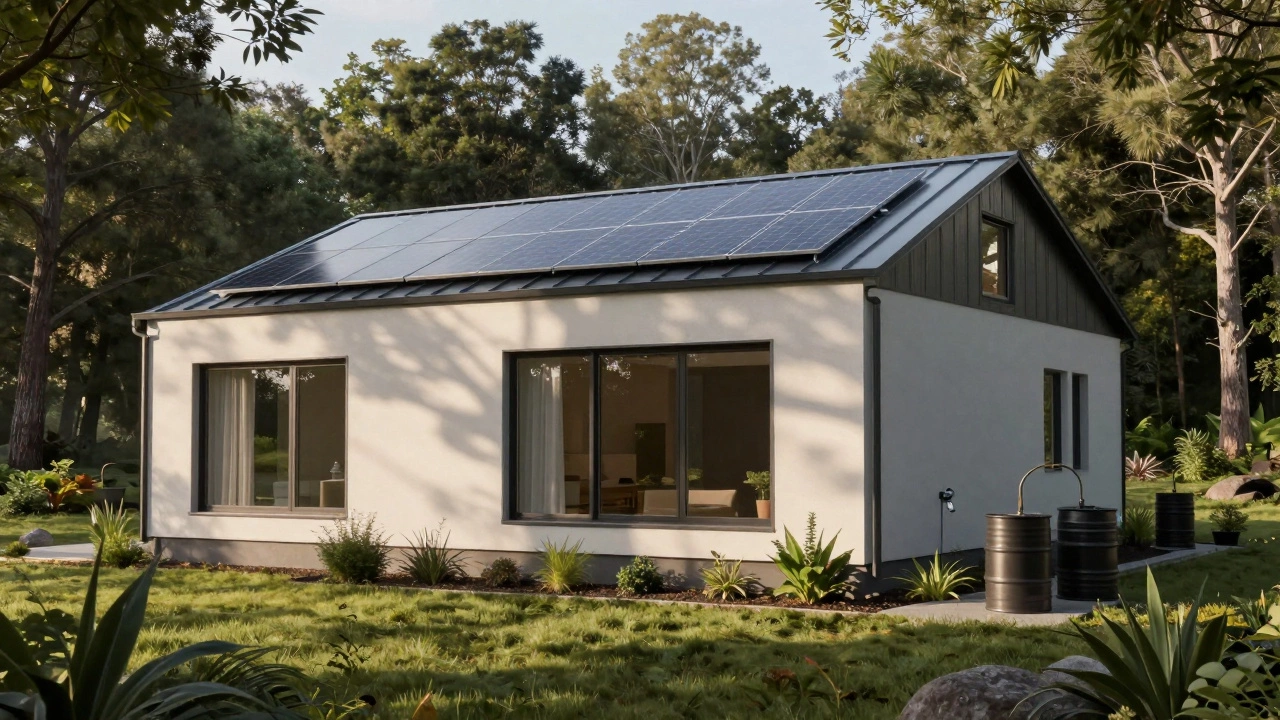
Building a fully sustainable house costs 40-60% more upfront than a standard home, but with lower bills, tax credits, and higher resale value, it pays for itself over time. Learn where the money goes and how to do it right.
- Dec, 7 2025
- 0 Comments