Off-Grid House: Real Ways to Live Independently Without Utility Bills
An off-grid house, a self-sufficient home that doesn’t connect to public electricity, water, or sewage systems. Also known as off-grid cottage, it’s not about escaping society—it’s about taking control of your energy, water, and waste. People choose this lifestyle to cut bills, reduce their footprint, or just live quieter. It’s not as hard as you think, and it’s not just for survivalists.
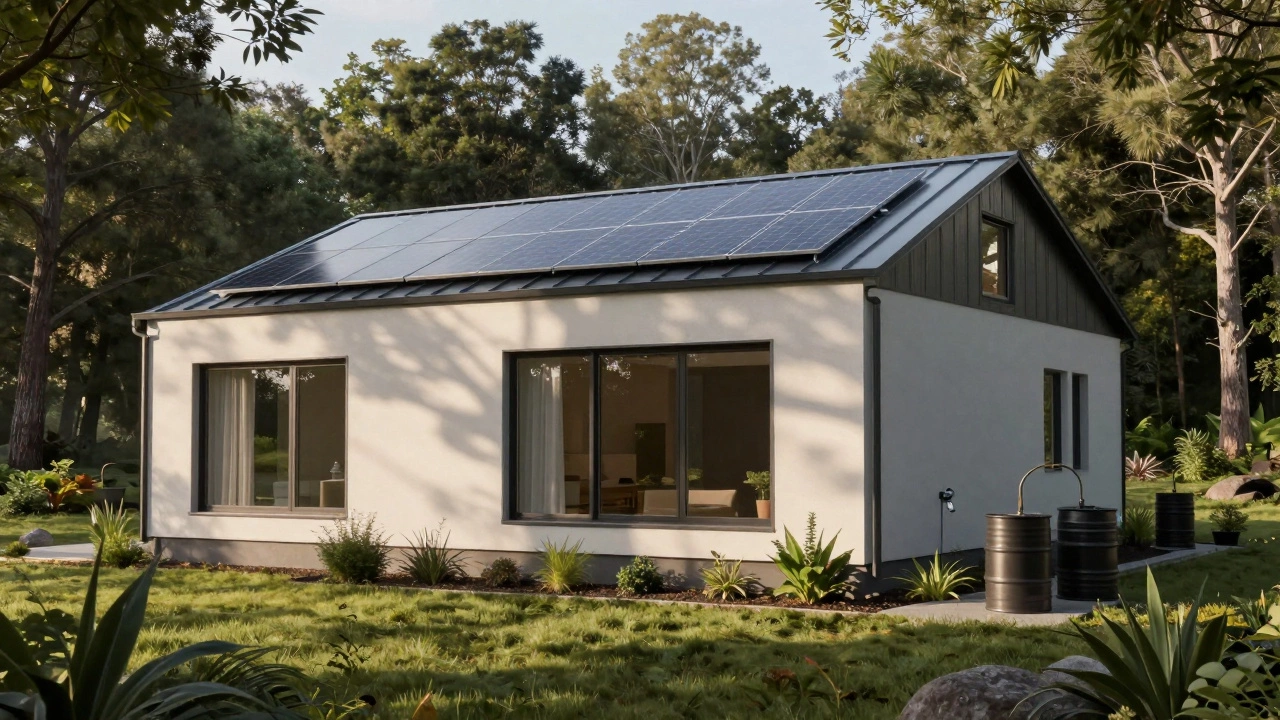
Most off-grid houses rely on three things: solar power, a system of panels and batteries that generates and stores electricity, rainwater collection, a setup that catches, filters, and stores water from rooftops, and composting toilets, a simple system that turns waste into safe soil without running water. You don’t need a mansion. Many people live comfortably in small, well-insulated cabins with just enough solar panels to run lights, a fridge, and a phone charger. The key isn’t size—it’s smart design. A round or dome-shaped house, like the ones mentioned in our posts, loses less heat and needs less material to build. That’s why sustainable builders love them.
Living off-grid doesn’t mean giving up comfort. It means choosing what matters. Some folks grow their own food. Others use wood stoves for heat and cooking. A few even make their own soap and candles. The goal isn’t to go back to the 1800s—it’s to use today’s tools in smarter ways. You can still have internet, hot showers, and a decent night’s sleep. The difference? You’re not paying someone else to provide it. And when the power grid goes down in winter storms or heatwaves, you’re the one who stays warm.
There’s a reason this idea keeps popping up in our posts—from how to build an eco-friendly cottage to what materials to avoid. People are tired of rising energy bills and unreliable services. They’re looking for real alternatives, not just green buzzwords. The off-grid house isn’t a fantasy. It’s a practical choice growing in the UK, especially in remote corners of Wales, the Highlands, and the Lake District. You don’t need to go full hermit. Start with a shed that runs on solar. Upgrade slowly. Learn what you can do yourself. The posts below show real examples, real mistakes, and real savings—no hype, no fluff. Just what works.
How Much Does It Cost to Build a Fully Sustainable House?
Building a fully sustainable house costs 40-60% more upfront than a standard home, but with lower bills, tax credits, and higher resale value, it pays for itself over time. Learn where the money goes and how to do it right.
- Dec, 7 2025
- 0 Comments