What Is Luxury Camping? The Rise of Eco-Friendly Glamping Getaways
 Mar, 19 2026
Authentic Glamping Checklist
Check if a glamping site meets the authentic eco-luxury standards described in the article. True luxury camping requires thoughtful design that respects both comfort and the environment.
Materials
Does the site use reclaimed wood, recycled steel, bamboo, and natural linens? No plastic furniture or synthetic carpets.
Energy
Does the site use solar panels, wind turbines, or geothermal heating with no diesel generators?
Water
Does the site have rainwater collection, greywater recycling, and low-flow fixtures?
Waste
Does the site have zero single-use plastics, composting bins, and biodegradable toiletries?
Location
Is the site built on already disturbed land, never clear-cut forest, with adequate spacing to protect wildlife corridors?
Authenticity Score
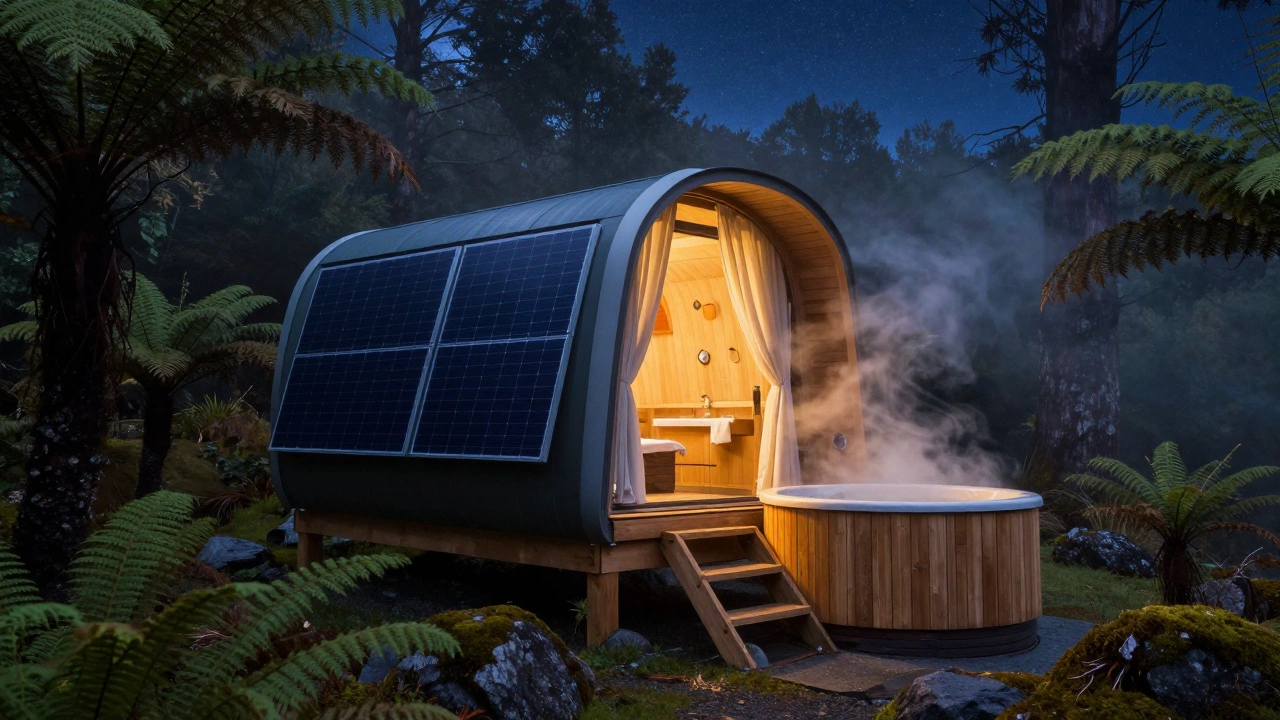
Ever slept under a sky full of stars, wrapped in thick Egyptian cotton sheets, with a wood-fired hot tub steaming just outside your door? That’s not a fantasy. It’s luxury camping - or as most people call it now, glamping. And it’s not just tents with fancy beds. In 2026, luxury camping means fully insulated, solar-powered eco-friendly cottages built into forests, beside lakes, or perched on cliffs - all designed to disappear into nature, not dominate it.
Glamping Isn’t Just Camping With a Twist
Forget the old image of sticky sleeping bags, leaky tents, and cold instant coffee. Luxury camping is about comfort without compromise. It’s the same feeling you get from a weekend getaway - the quiet, the fresh air, the escape - but without the hassle. No pitching tents. No hunting for firewood. No shivering in a damp sleeping bag.
Modern glamping sites in places like New Zealand, British Columbia, and the Scottish Highlands now offer fully furnished cabins made from reclaimed timber, with double-glazed windows, underfloor heating, and smart thermostats that adjust based on weather. Some even have rainwater harvesting systems and composting toilets that turn waste into fertilizer for the surrounding gardens.
Take the Forest Haven cabins in Nelson, New Zealand. Each one is built from locally sourced, FSC-certified wood, sits on elevated stilts to protect the soil below, and runs entirely on solar panels. Guests wake up to birdsong, brew coffee on induction stoves powered by sun-charged batteries, and soak in cedar hot tubs heated by wood-burning stoves. There’s no grid connection. No noise. Just nature, carefully managed.
What Makes an Eco-Friendly Cottage Truly Luxury?
Luxury camping isn’t about gold-plated faucets or marble countertops. It’s about thoughtful design that respects both comfort and the environment. Here’s what separates real eco-luxury from gimmicks:
- Materials: Reclaimed wood, recycled steel, bamboo, and natural linens. No plastic furniture. No synthetic carpets.
- Energy: Solar panels, wind turbines, or geothermal heating. No diesel generators humming in the background.
- Water: Rainwater collection, greywater recycling, and low-flow fixtures. Some sites even filter and reuse bathwater for irrigation.
- Waste: Zero single-use plastics. Composting bins for food scraps. Biodegradable toiletries provided.
- Location: Built on already disturbed land - never clear-cut forest. Sites are spaced far apart to protect wildlife corridors.
At Skyline Glamp in Queenstown, each cottage has a living roof covered in native moss and wildflowers. The roof insulates naturally, reduces runoff, and attracts bees and butterflies. Guests don’t just stay here - they become part of the ecosystem.
It’s Not Just About the Cabin
The best luxury camping experiences don’t stop at the door. They extend into the landscape. Think: private guided stargazing with a local astronomer. Breakfast delivered on a wicker basket with organic eggs from the site’s own chickens. A sunset kayak paddle included in your stay.
At Whanganui River Retreat, guests wake up to a hand-written note on their bedside table: "Today’s forecast: clear skies, 18°C. We’ve packed your lunch - smoked trout, sourdough, and wild berry jam. Your kayak is waiting at the dock." There’s no app to book activities. No front desk. Just a quiet, trusted staff who know your name by day two.
These aren’t hotels with trees around them. They’re immersive experiences where the environment isn’t a backdrop - it’s the main attraction.
Who Is Luxury Camping Really For?
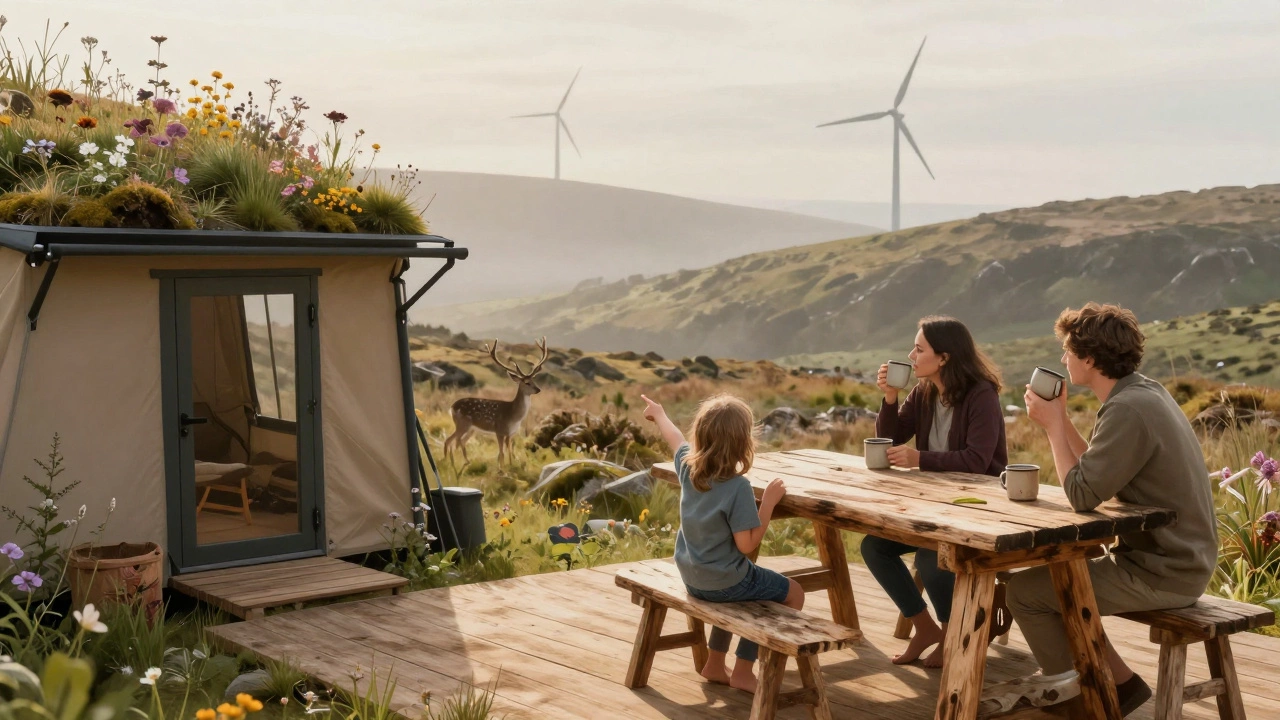
You might think it’s for wealthy couples looking for Instagram backdrops. But that’s changing fast. In 2025, over 68% of glamping guests were under 40, and nearly 40% traveled with kids. Why? Because families are tired of crowded resorts. Couples want real connection - not just romance, but quiet, undisturbed time together.
Parents love that their kids can run barefoot through grass, build forts from fallen branches, and learn how to identify native birds - all without screens. Couples appreciate the privacy. No noisy hallways. No elevator music. Just two people, a hot tub, and a sky full of stars.
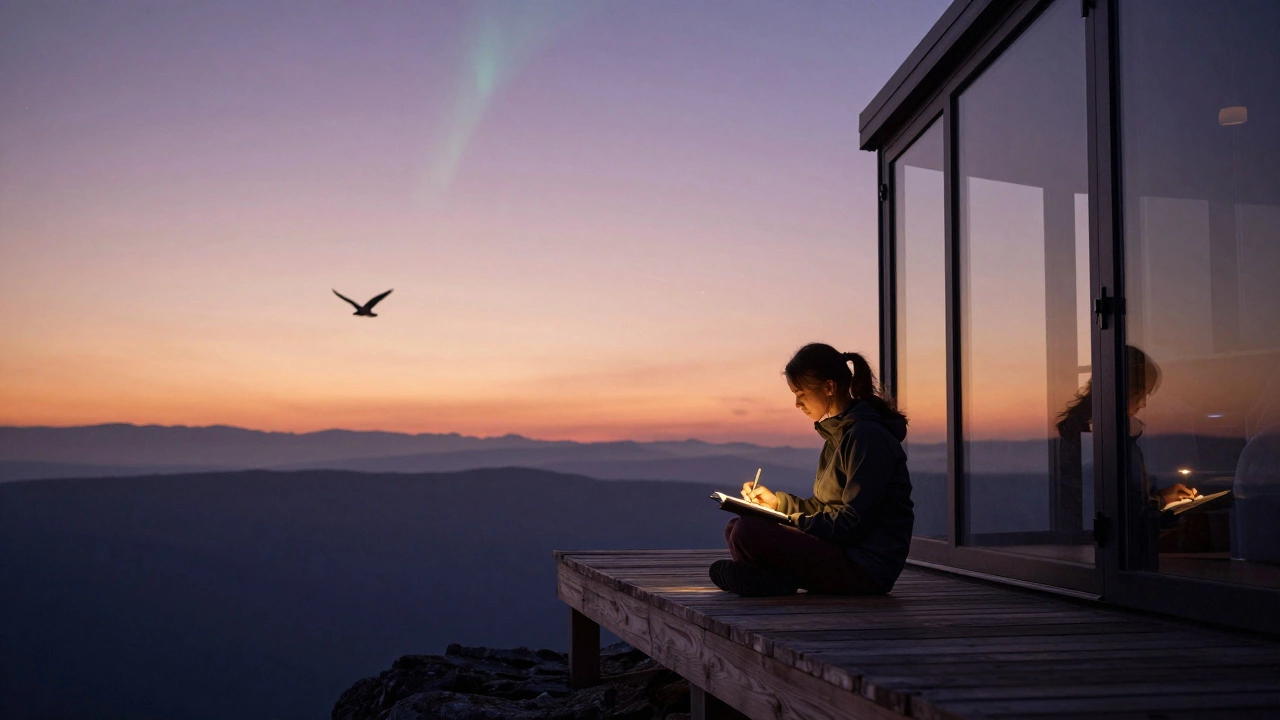
Even solo travelers are finding glamping. One woman from Wellington told me she booked a night alone after her divorce. "I didn’t want to be around people. But I didn’t want to be alone with my thoughts either. The cottage had a journal, pens, and a playlist of birdsong. I wrote for three hours. I cried. I slept like I hadn’t in years."
Why Now? The Rise of Conscious Travel
Post-pandemic, people stopped chasing "bucket list" destinations. They started chasing peace. And peace doesn’t come from a 5-star hotel in a city. It comes from silence, clean air, and knowing your stay didn’t harm the place you’re visiting.
Studies from the Global Sustainable Tourism Council show that 73% of travelers now choose accommodations based on environmental practices - more than price or brand. Luxury camping answers that demand perfectly. It’s not just sustainable - it’s regenerative. Many sites plant trees for every booking. Others partner with local Māori communities to restore native forests.
In New Zealand, the Te Wānanga o Raukawa program trains glamping operators in traditional ecological knowledge. Guests aren’t just staying in a cabin - they’re learning how to live lightly, from people who’ve done it for centuries.
What You’ll Actually Pay
Luxury camping isn’t cheap - but it’s not as expensive as you think. Prices range from $250 to $800 per night, depending on location and season. Compare that to a luxury hotel room in a city - often $400+ just for a small room with no view.
What you’re paying for:
- Design that blends into nature
- Materials that last 30+ years
- Staff who know the land like their own backyard
- Experiences you can’t get anywhere else
And here’s the twist: many glamping sites offer discounts for longer stays. A week at Forest Haven costs less per night than a weekend in Auckland. And you leave feeling restored - not drained.
How to Choose the Right Glamping Site
Not all "luxury camping" is created equal. Here’s how to spot the real deal:
- Check the materials. Look for mentions of FSC wood, recycled steel, or natural insulation. If they say "eco-friendly" but show plastic furniture - walk away.
- Ask about energy. Do they use solar? Wind? If they say "we’re off-grid," ask how. Real off-grid means no diesel backup.
- Read reviews for details. Look for mentions of quiet nights, wildlife sightings, or staff who remembered your name. Avoid reviews that say "felt like a hotel" - that’s not glamping.
- Look for local partnerships. Sites working with indigenous groups or conservation projects are usually more authentic.
- Ask about waste. Do they compost? Ban single-use plastics? If they don’t mention it, they probably don’t care.
And avoid sites with too many amenities. A glamping site with a pool, gym, and restaurant? That’s a resort. You want the opposite - something quiet, simple, and deeply connected to its surroundings.
Where the Best Glamping Is Right Now
Some places have gotten it right. In New Zealand, Forest Haven and Whanganui River Retreat lead the pack. In Canada, Wilderness Retreats in British Columbia use geothermal heating and host cultural storytelling nights with First Nations guides. In Norway, Glampers of the Fjords have cabins with glass walls so you can see the Northern Lights from your bed.
But the most exciting trend? Smaller, hidden sites - places you won’t find on Google Maps unless you know someone who’s been there. These are often run by families who’ve lived on the land for generations. They don’t advertise. They don’t need to.
What’s Next for Luxury Camping?
By 2027, expect to see glamping cabins with AI climate controls that learn your preferences - but still run on 100% renewable energy. More sites will offer "digital detox" packages - no Wi-Fi, just books, board games, and guided nature walks.
And the biggest shift? People are starting to book glamping for long-term stays. A growing number are working remotely from these cabins for weeks at a time. One man from Sydney spent three months at Forest Haven last year. "I didn’t miss the city," he said. "I missed the noise."
Is luxury camping the same as glamping?
Yes, luxury camping and glamping are the same thing. "Glamping" is just a shortened version of "glamorous camping." It refers to outdoor accommodations that combine the experience of being in nature with high-end comforts like real beds, private bathrooms, heating, and gourmet meals. It’s camping, but without the discomfort.
Are eco-friendly cottages really better for the environment?
Yes - if they’re built and operated correctly. Real eco-friendly cottages use renewable energy, recycled materials, and water-saving systems. They’re designed to leave no trace, and many even restore the land they’re built on. But not all are genuine. Watch out for sites that use the word "eco" but still use plastic, diesel generators, or imported materials. Look for certifications like FSC, LEED, or partnerships with local conservation groups.
Can families with kids enjoy luxury camping?
Absolutely. Many glamping sites now offer family-friendly cabins with bunk beds, outdoor play areas, and kid-approved activities like nature scavenger hunts or guided wildlife walks. Kids love the freedom to explore safely - no traffic, no crowds, just trees, streams, and wildlife. Plus, without screens, they often sleep better and connect more with nature.
Do I need to bring my own bedding or towels?
No. Reputable luxury camping sites provide everything: thick duvets, Egyptian cotton sheets, plush towels, bathrobes, and even toiletries made from natural ingredients. You just pack clothes, a good book, and maybe a pair of boots. Everything else is taken care of.
Is luxury camping worth the price?
If you value peace, quiet, and real connection - yes. A night at a luxury campsite often costs less than a hotel in a major city, and you get far more space, privacy, and nature access. Plus, you leave feeling refreshed, not exhausted. For many, it’s not a splurge - it’s a reset.